Kidney, bladder and prostate cancer treated with dignity kept intact.
Urological cancers live close to the things men and women hesitate to discuss — passing urine, intimacy, growing older. Here those conversations are handled the way they should be: privately, plainly, and without a flicker of embarrassment on our side of the table.
Cancers people whisper about
This speciality covers cancers of the kidney, bladder, prostate, testis, penis and adrenal gland. They share one cruel feature: embarrassment delays them. Blood in the urine gets blamed on heat; a testicular lump gets ignored out of shyness — until the delay itself becomes the problem.
The modern story is far more hopeful than families expect. Testicular cancer is among the most curable of all. Many kidney tumours can be removed while saving the kidney itself. Prostate surgery can spare the nerves that matter for continence and potency. Robotic and laparoscopic techniques turn major operations into smaller-cut recoveries where they genuinely fit.
And one honesty runs through everything: not every urological cancer needs immediate surgery. Some small kidney and prostate cancers are watched safely — and telling you that truthfully, when it applies, is part of good medicine here.
“તમે એકલા નથી.” (You are not alone.) Thousands have sat across this table with the same hesitation — every one left glad they came.
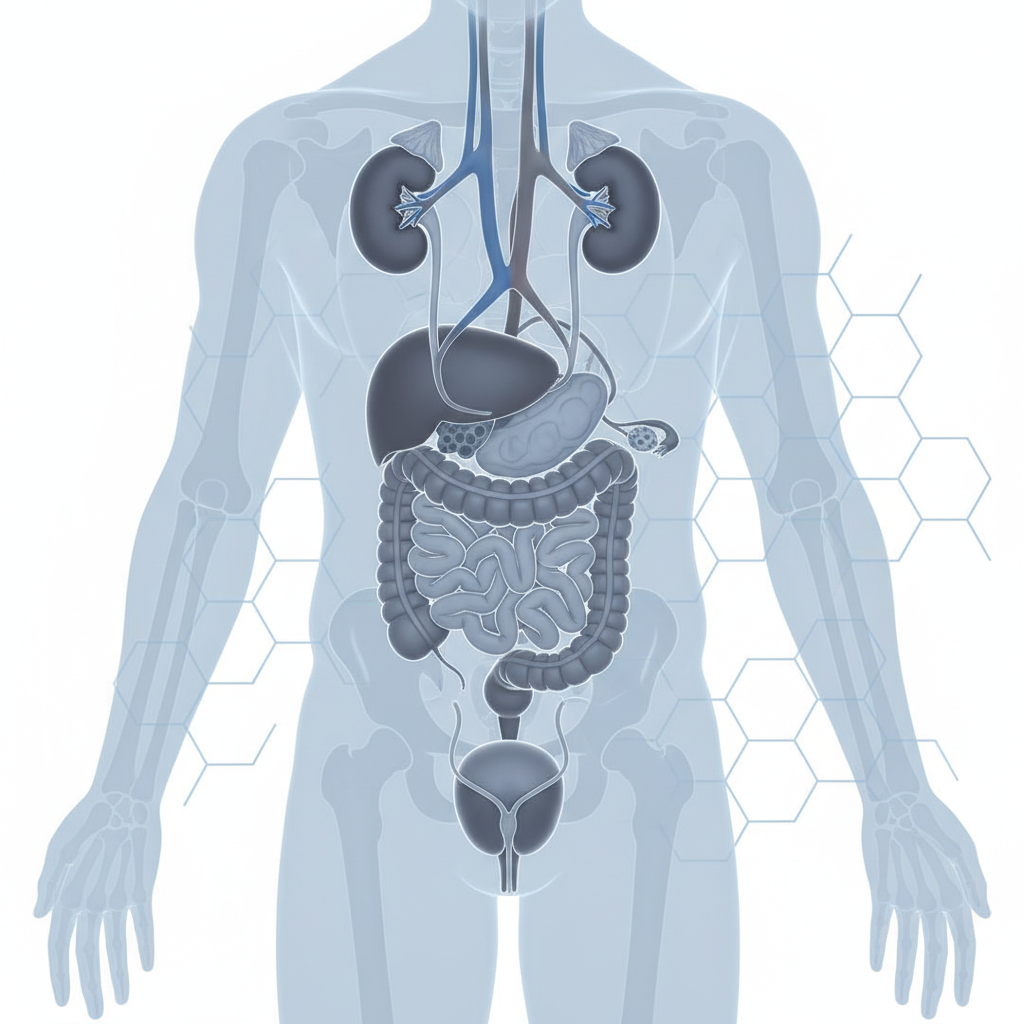
Warning signs below the belt — that deserve above-average attention
Most will be infections or stones. But these are the signals we never wave away without at least one test.
- ①Blood in the urine — even once, even painless, even if it disappears by itself.
- ②A change in urinary frequency or burning, new and unexplained by infection reports.
- ③A weak stream or straining to pass urine, worsening over months.
- ④A testicular lump — firm, painless ones most of all.
- ⑤Heaviness or dull ache in the scrotum that doesn't settle.
- ⑥Bone pain in back or hips together with urinary symptoms — a pairing worth checking promptly.
- ⑦Swelling of both legs, new and without obvious cause.
- ⑧An abnormal finding on any routine ultrasound or health check — bring the report even if you feel perfectly fine.
Organs and cancers we treat
◆Kidney
Radical and partial nephrectomy — saving kidney units wherever margins allow it.
◆Bladder
TURBT for early tumours; radical cystectomy with neobladder or conduit for advanced disease.
◆Prostate
Nerve-sparing radical prostatectomy, with active surveillance honestly offered when it's the wiser course.
◆Testis
Orchiectomy and RPLND — against one of oncology's best cure rates when treated properly.
◆Adrenal
Adrenalectomy for functional and malignant masses, laparoscopic where suitable.
◆Penile Cancer
Treated with the same combination of completeness and tissue respect as everywhere else here.
Operations performed here
- ✿Partial nephrectomyRemoving the tumour while preserving the kidney — the first ambition for small renal tumours.
- ✿Radical nephrectomyFor larger tumours, planned around your remaining kidney's lifelong workload.
- ✿TURBTBladder tumours removed through the urethra — no external cut at all.
- ✿Radical cystectomy with diversionIleal conduit or neobladder chosen with you, based on lifestyle and hands-on practice beforehand.
- ✿Nerve-sparing radical prostatectomyContinence and potency protected wherever cancer control allows it.
- ✿RPLND & orchiectomyTestis-cancer surgery including retroperitoneal node dissection, coordinated with chemotherapy protocols.
From first visit to full recovery
Listen first
Your symptoms heard without hurry or embarrassment — in Gujarati, Hindi or English, whatever lets you speak freely.
Precise diagnosis
Urine tests, imaging and biopsy done correctly; PSA interpreted with context, never in panic.
Honest plan
Surgery versus surveillance argued openly — including recommending monitoring when that's truly safer.
The operation
Robotic or laparoscopic where suitable, open when needed — nerves and kidney units spared wherever possible.
Recover together
Catheter care explained plainly, pelvic physiotherapy guided, family questions answered daily.
Life after
Continence, potency and fertility follow-through as deliberate goals — not afterthoughts mentioned once.
Families usually ask…
Yes — which is exactly why partial nephrectomy is pursued so aggressively for suitable tumours. One healthy kidney handles life's filtration comfortably; blood pressure and kidney-function checks become part of yearly routine. Living kidney donors prove this daily.
A neobladder reconnects passing urine through the natural route but demands training, daytime frequency and commitment; an ileal conduit (bag) is simpler, safer and quicker to master. Age, kidney function, hand strength and preference all matter — we rehearse both options with you before choosing, not after.
The two honest ones: temporary urinary leakage, nearly always improving with physiotherapy over months, and changes in erections, which depend heavily on whether nerves were spared and your starting baseline. Nerve-sparing technique exists to protect both — within the non-negotiable limit of complete cancer removal.
Fertility preservation is discussed before anything begins — sperm banking takes days and removes future regret. Most men father children after treatment, especially with today's chemotherapy protocols and surgical precision. The disease's cure rate is excellent when treated properly from the start.
No — and pretending otherwise serves nobody. Small kidney tumours in some patients, and low-risk prostate cancer in many, can be monitored safely with scheduled scans and reviews. When surveillance is the wiser choice, we recommend it plainly and follow you closely rather than operating reflexively.