From food pipe to rectum — curing cancer while protecting how you eat and live.
Digestive cancers touch the most everyday parts of life: meals, mornings, dignity in the washroom. Surgery here is judged not only by margins on pathology but by whether you return to eating normally and living without a bag — wherever that is safely possible.
The cancers we mistake for “acidity”
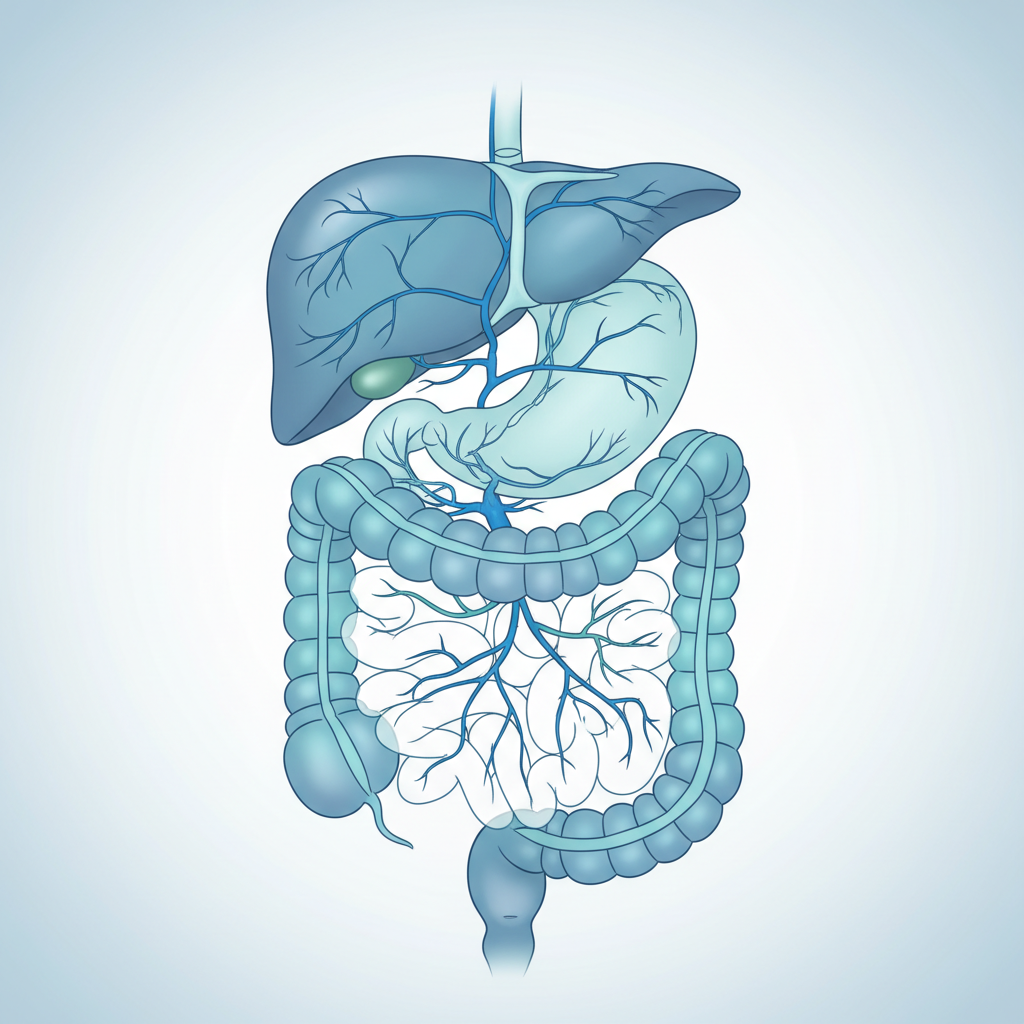
Gastrointestinal cancers begin anywhere along the digestive tract — oesophagus, stomach, colon, rectum, anal canal or small bowel, plus the peritoneal surfaces lining the abdomen. Their early symptoms are cruelly ordinary: indigestion, a change of bowel habit, tiredness from slow blood loss. Families in Gujarat often treat them with antacids for months before anyone looks properly.
The encouraging truth is equally plain: when these cancers are staged properly and operated at centres doing high volumes, outcomes are dramatically better than late-discovered ones — and many are cured outright.
Our bias is stated upfront: sphincter preservation and stoma avoidance wherever safely possible, laparoscopic or robotic technique wherever it genuinely helps, and honest conversation when a temporary stoma is actually the safest bridge to a normal life afterwards.
“ગભરાવાનું નહીં — તપાસવાનું.” (Don't panic — get checked.) A colonoscopy this month answers what worry never will.
Warning signs worth a proper look
Especially after forty — but at any age if these persist. Most will be gastritis, piles or IBS; checking is how we know which.
- ①Difficulty swallowing — food feeling stuck behind the breastbone.
- ②Persistent indigestion or vomiting, new and unlike your usual acidity.
- ③Altered bowel habit beyond four weeks — new constipation, diarrhoea, or pencil-thin stools.
- ④Blood in stool or black, tarry stools — never assume it's “just piles” without examination.
- ⑤Unexplained weight loss, without dieting or new exercise.
- ⑥Unexplained anaemia found on routine tests — a classic silent signal of gut bleeding.
- ⑦A lump felt in the abdomen, even one that isn't painful.
- ⑧Any combination above lasting over four weeks deserves endoscopy or colonoscopy — whatever the reports previously said.
Cancers we treat along the tract
◆Oesophagus
Food-pipe cancers, including those needing stomach-pull reconstruction after resection.
◆Stomach
Gastric cancers with D2 lymphadenectomy as standard, not as an upgrade.
◆Colon
Right-sided and sigmoid cancers with complete mesocolic excision for best staging and survival.
◆Rectum
Sphincter-preserving low anterior resections wherever oncologically safe; APR only when truly required.
◆Anal Canal & Small Bowel
Rarer tumours managed with combined chemoradiation pathways where they outperform surgery.
◆Peritoneal Surface Disease
Peritoneal malignancies assessed honestly, with HIPEC referral pathways where appropriate.
Operations performed here
- ✿OesophagectomyRemoval and reconstruction of the food pipe, restoring swallowing as the goal.
- ✿Gastrectomy — subtotal & total, D2Stomach cancer cleared with the lymph-node standard that gives its best results.
- ✿Colectomy with complete mesocolic excisionRight/hemicolectomy and sigmoid colectomy done to quality benchmarks.
- ✿Sphincter-preserving low anterior resectionRectal cancer removed while keeping normal passing possible wherever safe.
- ✿APR when requiredHonest about the rare times the sphincter cannot be saved — and about stoma-free alternatives first.
- ✿Laparoscopic & robotic approachesKeyhole technique chosen on merit — FALS-trained hands, smaller cuts, faster recovery.
From first visit to full recovery
Listen first
Your symptoms timeline taken seriously — no symptom dismissed as “just gas.”
Precise diagnosis
Endoscopy and colonoscopy with biopsy, then CT/PET staging so nothing is operated blind.
Honest plan
Tumour board decides sequence — sometimes chemo or radiation comes first to shrink and protect.
The operation
Laparoscopic or robotic where suitable, open when needed — chosen for your anatomy, not our preference.
Recover together
Nutrition rebuilt stepwise, early walking, stoma training if needed, family updated daily.
Life after
Surveillance scans and colonoscopies scheduled — and your appetite back at the centre of life.
Families usually ask…
In most rectal and colon cancers today — no. Sphincter-preserving techniques allow permanent stomas to be avoided wherever oncologically safe. When a temporary stoma is the wiser bridge, it can usually be reversed later. If a permanent stoma truly is the safest option, you'll hear why in plain language, with time to absorb it.
Same cancer clearance, smaller wounds: less pain, less blood loss, fewer wound complications, quicker return of bowel function and shorter hospital stay. It matters most for patients who need chemotherapy soon after surgery. Where keyhole isn't wise, we say so directly — open surgery remains the gold standard for some situations.
Small, frequent meals become the pattern — six small ones instead of three large. Most patients return to enjoyable, near-normal diets within months, guided by dietitian support. Weight stabilises lower than before in many cases; we monitor nutrition deliberately, not casually.
Because operating without full staging is how surgeries fail: unexpected spread discovered mid-operation, wrong sequence of treatments, avoidable second operations. Proper CT/PET staging before surgery means the plan matches reality the first time.
We're trained in advanced laparoscopic and robotic technique (FALS), and use robotics where it genuinely benefits — pelvis-deep rectal work, precise dissection near vessels. But technology serves judgement here, never replaces it. Ask freely; you'll get a straight answer either way.