Kidney units, continence and confidence — kept wherever safely possible.
Urological cancer is where surgical restraint earns its keep: half a kidney saved instead of removed, nerves spared when margins allow, a neobladder offered before a bag is mentioned. Cure first — then everything worth keeping.
What are urological cancers?
They arise in the kidneys, bladder, prostate, testes, penis and adrenal glands. Each behaves differently — some demand immediate surgery, others reward patience. Knowing which is which is the entire discipline.
Much of this surgery is now done robotically or laparoscopically: smaller cuts, less blood loss, earlier recovery. But the technology only matters if the plan behind it is right — which is why staging and tumour-board review come first here.
The sign never to dismiss. Blood in the urine — even once, even painlessly — deserves investigation at any age. Most causes are benign; the ones that are not are why we look.
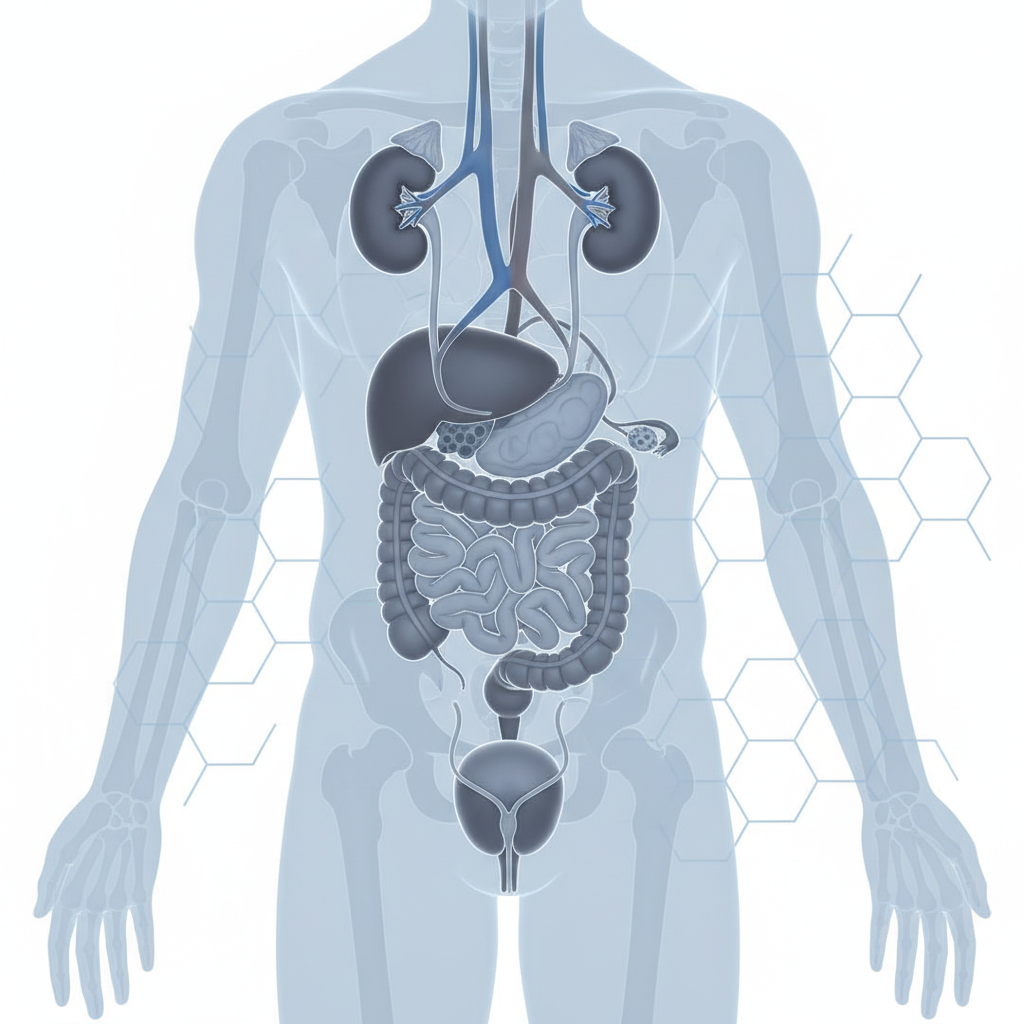
Signs that deserve examination
Urological cancers often whisper rather than shout. These are the whispers — each one simple to check, and easier to act on early.
- ①Blood in the urine — even once, even without pain.
- ②New frequency or burning when passing urine.
- ③A lump in the testicle, firm and usually painless.
- ④Heaviness or dull ache in the scrotum that persists.
- ⑤Bone pain in the back or hips alongside urinary symptoms.
- ⑥Swelling of the legs without another cause.
- ⑦A weak stream or difficulty passing urine, new and worsening.
- ⑧Unexplained weight loss accompanying any of the above.
Cancers treated here
◆Kidney
Partial nephrectomy wherever possible — the kidney unit preserved without compromising cure.
◆Bladder
From keyhole tumour scraping to full reconstruction, matched to the depth of disease.
◆Prostate
Nerve-sparing radical prostatectomy — and honest active surveillance when watching is wiser.
◆Testis
Among the most curable cancers — with nerve-sparing planning for life afterwards.
◆Adrenal
Functional and malignant adrenal masses removed through minimally invasive routes.
◆Penile Cancer
Treated early and precisely, with function and appearance given their due.
Operations performed here
- ◆Radical & partial nephrectomyThe whole kidney, or only the tumour — decided on function and anatomy, done robotically or laparoscopically where suitable.
- ◆TURBTBladder tumours removed through the urethra — no external incision at all.
- ◆Radical cystectomyWith ileal conduit or neobladder reconstruction, discussed openly before the date is set.
- ◆Radical prostatectomyNerve-sparing technique pursued whenever margins safely allow.
- ◆RPLNDRetroperitoneal lymph node dissection for testis cancer, coordinated with chemotherapy timing.
- ◆OrchiectomyWith implant and fertility options raised before, not after.
From first visit to full recovery
Imaging
CT and MRI map the tumour against the anatomy worth preserving.
Biopsy & markers
Tissue and blood markers confirm what treatment must answer.
Tumour board review
Surgery, radiation or surveillance weighed together — honestly.
Surgery
Robotic or keyhole where suitable; preservation built into the plan.
Rehabilitation
Continence and potency recovery supported actively, not left to chance.
Surveillance
Markers and scans on schedule — adjusted to your risk, reviewed yearly.
Questions families ask first
Yes — most people with one healthy kidney live entirely normal lives. This is exactly why partial nephrectomy matters: every gram of preserved kidney is future insurance, taken whenever it is safe to take.
Both are good answers to different lives. A neobladder offers natural voiding but needs training and follow-up; an ileal conduit is simpler and dependable. The choice is made with you, based on your health, hands and habits — before surgery, never after.
Temporary changes in continence and erections are common and mostly recover over months. Nerve-sparing technique exists to shorten that road — pursued whenever oncological safety permits, and explained plainly when it does not.
Sperm banking is arranged before treatment begins, and many men father children naturally afterwards. Fertility is part of the first conversation here — not an afterthought.
No — it is a disciplined protocol of tests and examinations, with a clear threshold for action. For some slow-growing cancers, watching closely is genuinely the better medicine. Recommending it takes more courage than operating; we recommend it when it is right.