Kidney units, continence and confidence — treated as assets worth keeping.
Kidney, bladder, prostate, testis. Urological cancer surgery is preservation engineering: partial nephrectomies, nerve-sparing prostatectomy, neobladders — function defended wherever cure allows.
What are urological cancers?
They sit on organs people hesitate to discuss — and their warning sign is famously easy to ignore: blood in the urine, even once, even painless, deserves a look. So does any testicular lump in a young man, where cure rates are among medicine’s best when caught early.
The bias of this department is preservation. Partial nephrectomy saves the kidney unit whenever margins allow; nerve-sparing radical prostatectomy fights for continence and potency; bladder reconstruction offers an internal reservoir instead of a bag for selected patients.
Equally honest: active surveillance is a real recommendation here — offered when watching beats cutting, and revisited on schedule rather than forgotten.
● Blood in the urine once is already once too many — imaging settles it quickly.
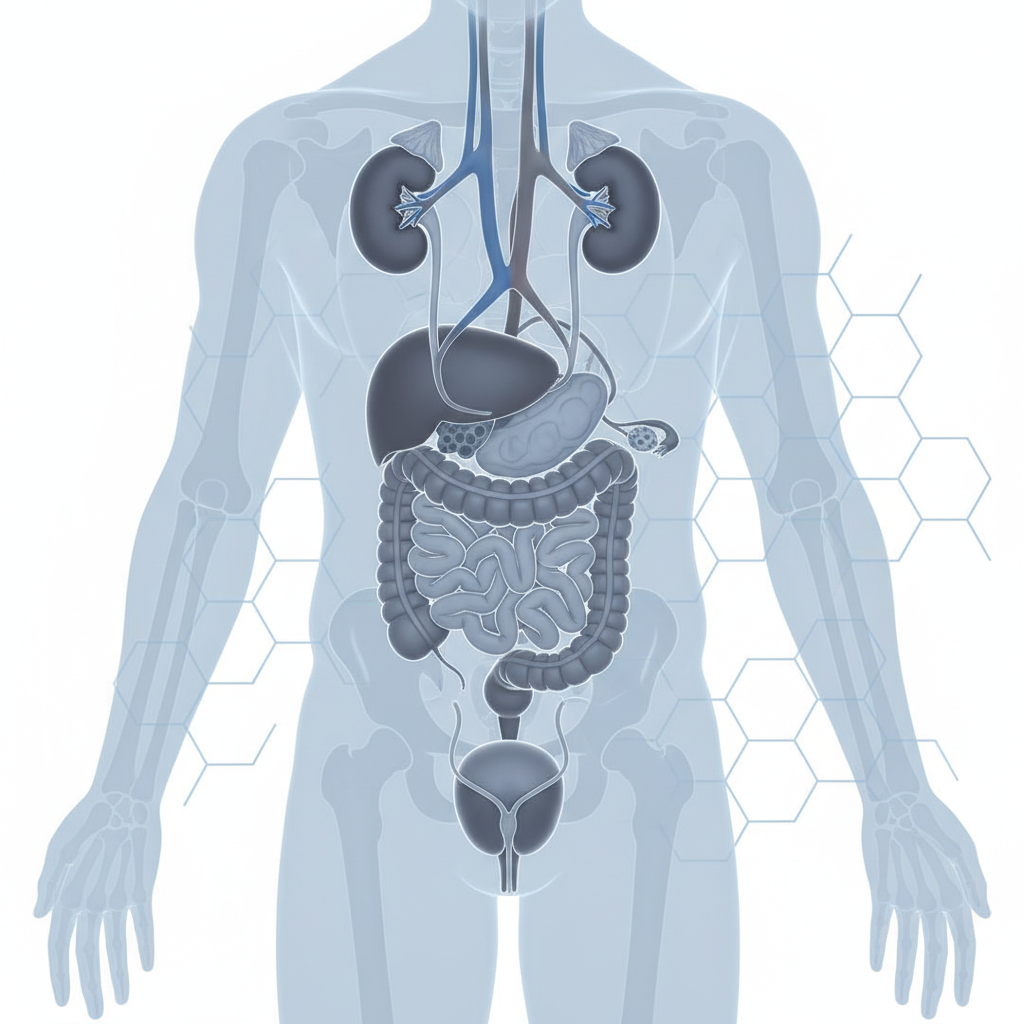
Eight signs worth one simple check
None of these are embarrassing to us. All of them are checkable with examination, urine tests and ultrasound — often in a single visit.
- ①Blood in the urine — even once, even painless.
- ②Urine turned pink or dark without any injury to explain it.
- ③Urinary frequency or burning that changes its usual pattern.
- ④A testicular lump.
- ⑤Heaviness or dull ache in the scrotum.
- ⑥Bone pain — back or hips — alongside urinary symptoms.
- ⑦Swelling of the legs.
- ⑧A symptom that keeps returning after treatment elsewhere — worth a specialist re-read.
Organs this department operates on
◆Kidney
Radical and partial nephrectomy — units preserved whenever margins allow.
◆Bladder
TURBT through to radical cystectomy with conduit or neobladder.
◆Prostate
Radical prostatectomy with nerve-sparing where appropriate.
◆Testis
Orchiectomy and RPLND — among the highest cure rates in oncology.
◆Penis
Organ-preserving management where staging permits.
◆Adrenal
Laparoscopic adrenalectomy for masses requiring surgery.
Operations performed here
- ◆Radical & partial nephrectomyTumour out, kidney kept — the default aim in smaller renal masses.
- ◆Robotic / laparoscopic approachesSmaller cuts, faster recovery, identical cancer operation.
- ◆TURBT for bladder tumoursCamera-based removal — first treatment and staging in one sitting.
- ◆Radical cystectomy ± neobladderThe bladder replaced with an ileal conduit or a reconstructed reservoir.
- ◆Radical prostatectomy, nerve-sparingPreservation planes pursued deliberately, not incidentally.
- ◆RPLND & orchiectomy for testis cancerRetroperitoneal node clearing staged with medical oncology.
From first visit to full recovery
- 10:00
First consultation
Scans and reports read personally; kidney and hormone function baselined.
- 08:12
Staging & board
Imaging reviewed with oncology colleagues; surveillance versus surgery weighed honestly.
- 13:26
The function conversation
Continence, potency, fertility, bag-versus-neobladder — discussed before consent, plainly.
- 09:15
Surgery
Robot or open by design; preservation attempted where safe.
- 06:04
Day-one rounds
Catheters and drains mapped, walking starts early, lab trends tracked.
- 17:40
Home & surveillance
PSA or scan calendar set, recovery exercises scheduled.
Families usually ask…
Yes — millions do. A healthy remaining kidney handles everyday demands; monitoring becomes routine blood-pressure and creatinine checks. That is exactly why partial nephrectomy is pursued so hard here.
Both give good quality of life. Suitability depends on kidney function, fitness and preference — walked through with diagrams before you choose, never decided for you on the operating table.
Continence typically recovers over months; nerve-sparing protects erections where cancer permits. Honest odds are quoted before surgery and rehabilitation is planned after — not left vague at either end.
Cure rates are excellent, and fertility is usually preserved. Sperm banking is offered before treatment because one clinic visit protects options that matter later.
No — some small masses are watched with serial scans, especially when other health risks outweigh them. Surveillance here is structured and scheduled, never passive neglect.