Keyhole-first from food pipe to rectum — margins measured, sphincters defended.
Oesophagus, stomach, colon, rectum. GI cancer surgery is logistics as much as skill: the right staging, the right operation, nutrition planned before the first cut.
What are GI cancers?
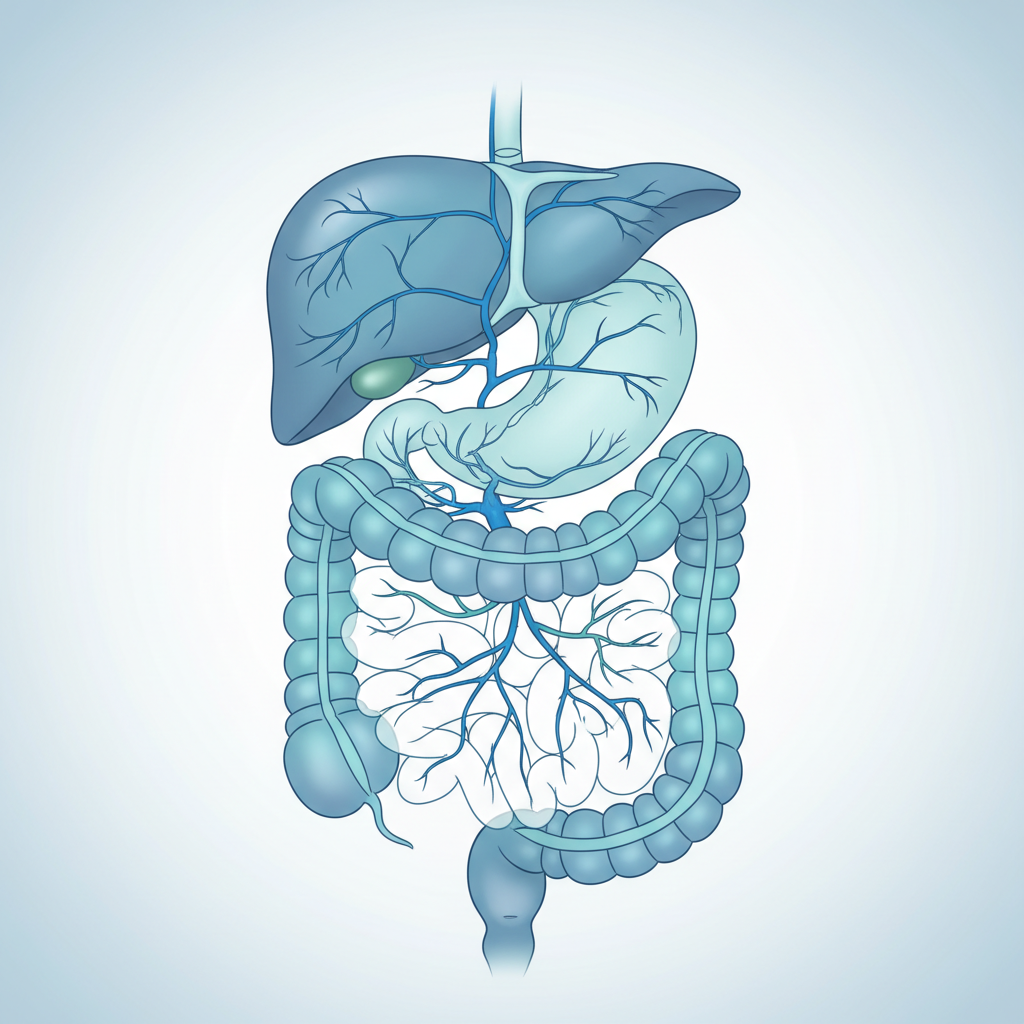
They arise along the food pipe, stomach, colon, rectum, anal canal, small bowel and the peritoneal lining — and many announce themselves quietly: indigestion that changes character, bowel habits shifting over weeks, anaemia no diet explains.
Surgery here rewards preparation. Staging scans fix the target first; laparoscopic or robotic access then shrinks the wound without shrinking the operation; lymph-node clearance follows maps described in textbooks, not improvisation.
Where rectal cancer sits low, families fear one thing above all — a permanent bag. Sphincter-preserving resection is pursued wherever margins allow: stoma avoidance is a stated goal of this department, honestly assessed rather than blindly promised.
● Nutrition planning starts before surgery — gut recovery is trained, not hoped for.
Eight signs your gut is flagging
Digestive symptoms are easy to blame on food. These are the ones that earn a proper look instead.
- ①Food feeling stuck, or pain on swallowing.
- ②Persistent indigestion, newly different from your usual.
- ③Vomiting that repeats without a clear cause.
- ④Bowel habit changed for more than four weeks.
- ⑤Blood in the stool, or stools turned black and tarry.
- ⑥Weight loss you cannot explain.
- ⑦Anaemia picked up on routine blood tests — a classic silent signal.
- ⑧A lump in the abdomen — always worth immediate examination.
Organs this department operates on
◆Oesophagus
Oesophagectomy planned around tumour height and function.
◆Stomach
Subtotal and total gastrectomy with D2 lymphadenectomy as standard.
◆Colon
Right hemicolectomy and segmental resections with complete mesocolic excision.
◆Rectum
Sphincter-preserving low anterior resection; APR reserved for when it is truly required.
◆Anal Canal & Small Bowel
Managed within combined protocols where chemoradiation leads.
◆Peritoneal Surface Disease
Assessment and HIPEC referral pathways.
Operations performed here
- ◆OesophagectomyRemoval and reconstruction planned around tumour height, stage and fitness.
- ◆Gastrectomy — subtotal & totalD2 nodal clearance as standard practice.
- ◆Colectomy with complete mesocolic excisionRight hemi, sigmoid and segmental resections along oncological planes.
- ◆Sphincter-preserving low anterior resectionThe rectum kept whenever margins safely allow.
- ◆APR when requiredDone properly, with stoma care training before the operation, not after.
- ◆HIPEC coordinationReferral pathways for peritoneal surface malignancy.
From first visit to full recovery
- 10:00
First consultation
Symptoms and reports read personally; endoscopy arranged if not already done.
- 08:12
Staging & tumour board
CT, MRI and markers fixed down; chemo- or radiotherapy sequenced first when it helps.
- 13:26
The plan, explained
What gets removed, whether a stoma can be avoided, how eating recovers afterwards.
- 09:15
Surgery
Laparoscopic or open by design — complete clearance along textbook planes.
- 06:04
Day-one rounds
Diet advanced step by step, drains charted, walking starts early.
- 17:40
Home & surveillance
Nutrition plan in hand, adjuvant therapy timed, scan calendar issued.
Families usually ask…
In most rectal cancers today, no — sphincter-preserving resection succeeds whenever margins allow. When an APR is genuinely safer, you will hear it early, explained plainly, with stoma training before surgery.
Smaller cuts, less pain, fewer wound complications, earlier walking and discharge — while the cancer operation itself stays complete. Keyhole changes the doorway, never the address.
Smaller, more frequent meals at first, with a dietitian involved from admission. Most patients settle into a comfortable routine within months; the plan starts before discharge, not after problems.
Because the order of treatments — chemotherapy, radiation, surgery — depends entirely on stage. Operating first on a tumour that needed shrinking first is the commonest avoidable mistake in GI cancer.
Yes — scans and biopsies can be done locally and reviewed here over WhatsApp. Travel is reserved for surgery and recovery, with follow-up coordinated back home.