Kidneys, continence, confidence — preserved wherever oncology safely allows.
Urological cancers sit close to the functions people least want to discuss: passing urine, intimacy, fertility. These conversations happen here without embarrassment — kidney units saved where possible, nerves spared where safe, and honest surveillance offered when surgery isn’t needed at all.
What are urological cancers?
They arise in the kidneys, bladder, prostate, testis, penis and adrenal glands. Several share a quiet quality: blood in urine or a small lump may be the only sign, and many kidney tumours cause no symptoms at all until a scan finds them by chance.
The good news is real: testicular cancer is among the most curable of all cancers, many small kidney tumours can be removed while keeping the kidney working, and prostate cancer often grows slowly enough that careful monitoring — not immediate surgery — is the wiser choice.
The one-episode rule: blood in the urine, even once, even painless, deserves a full check. It usually isn’t cancer — but when it is, it’s early.
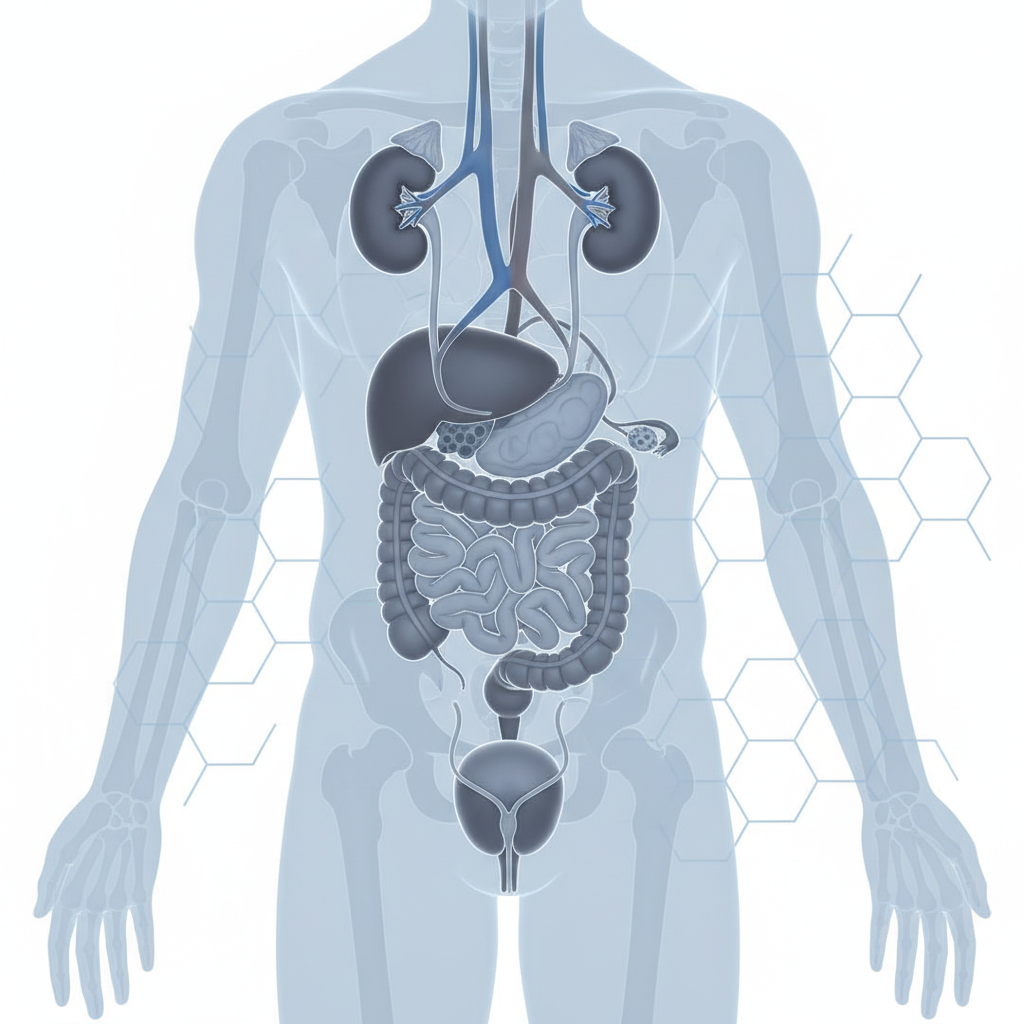
Warning signs worth acting on
Most will have simple explanations. Checking takes an afternoon; peace of mind lasts longer.
- ①Blood in the urine — even once, even painless, even if it stopped.
- ②Any change in passing urine — frequency, burning, control.
- ③A testicular lump, usually painless.
- ④A feeling of heaviness in the scrotum.
- ⑤Bone pain — often back or hips — alongside urinary symptoms.
- ⑥Persistent swelling of the legs.
- ⑦Unexplained weight loss with any of the above.
- ⑧No symptoms at all — many kidney tumours are silent scan findings, which is why incidental findings deserve specialist review.
Organs we operate on
◆Kidney
Partial nephrectomy to save the unit; radical removal only when necessary.
◆Bladder
From camera-based TURBT to full cystectomy with urinary reconstruction.
◆Prostate
Nerve-sparing radical prostatectomy — plus honest advice about when not to operate.
◆Testis
Highly curable disease treated with staged, guideline-driven pathways.
◆Penile Cancer
Tissue-sparing surgery with functional and personal dignity prioritised.
◆Adrenal
Functional and malignant adrenal masses removed laparoscopically where suitable.
Operations performed here
- ◆Radical & partial nephrectomyKidney preservation wherever margins allow — because two working units beat one.
- ◆Robotic & laparoscopic approachesKeyhole precision across these organs; chosen on evidence, never novelty.
- ◆TURBT for bladder tumoursCamera-based removal through natural channels — no external incision.
- ◆Radical cystectomy with reconstructionIleal conduit or neobladder, discussed honestly before you decide.
- ◆Nerve-sparing radical prostatectomyContinence and potency preservation built into the technique where safe.
- ◆RPLND & orchiectomy for testis cancerStaged precisely; fertility discussed before treatment begins.
From first visit to full recovery
Scans & staging
CT, MRI and markers reviewed together, personally.
Biopsy where appropriate
Some organs biopsy easily; others need surgical diagnosis — each explained.
Function baseline
Kidney split, continence and potency discussed openly before planning.
Surgery
Robotic or open, sized to the disease and your priorities.
Recovery protocols
Catheter care, pelvic floor work and follow-up structured from day one.
Surveillance
Scheduled reviews tuned to your specific tumour’s rhythm.
Families usually ask…
Yes — one healthy kidney handles filtration comfortably, which is exactly why partial nephrectomy is preferred whenever the tumour allows. Blood pressure and kidney function get checked regularly as routine, nothing more demanding than that.
A neobladder stores urine internally using bowel; a conduit collects into an external bag. Neither is universally better — age, kidney function, fitness and preference decide. Both are explained with diagrams before you choose, never after.
The two that matter: temporary or lasting changes to urine control and erections. Nerve-sparing technique reduces both risks where cancer permits. Recovery is gradual over months, with real support along the way — not reassurance alone.
It can, which is why sperm banking is offered before any treatment starts. Most men retain or recover fertility after treatment, and testicular cancer’s cure rates are excellent at every stage.
No. Some small masses grow slowly enough that active surveillance — regular scans, no operation — is the genuinely safer choice, especially with other health conditions. That option is offered honestly here, including to patients expecting surgery.