From food pipe to rectum — removing the cancer while keeping digestion, and dignity, working.
GI cancers affect the most everyday parts of life: eating, digesting, going to the toilet. Surgery here is judged not only by clear margins but by what is kept — sphincters preserved, stomas avoided where possible, keyhole techniques used wherever they genuinely help.
What are GI cancers?
They arise along the digestive tract — oesophagus, stomach, colon, rectum, anal canal and small bowel — plus the peritoneal lining of the abdomen. Symptoms overlap with ordinary complaints like piles or indigestion, which is exactly why persistent changes deserve investigation rather than self-treatment.
The encouraging part: when staging is done properly, treatment is planned in the right order. Sometimes chemotherapy comes before surgery to shrink the tumour; sometimes surgery first gives the best result. The sequence is chosen for your cancer, not by habit.
The four-week rule: any change in bowel habit lasting more than a month, or blood in the stool at any age beyond routine haemorrhoids, deserves a proper look.
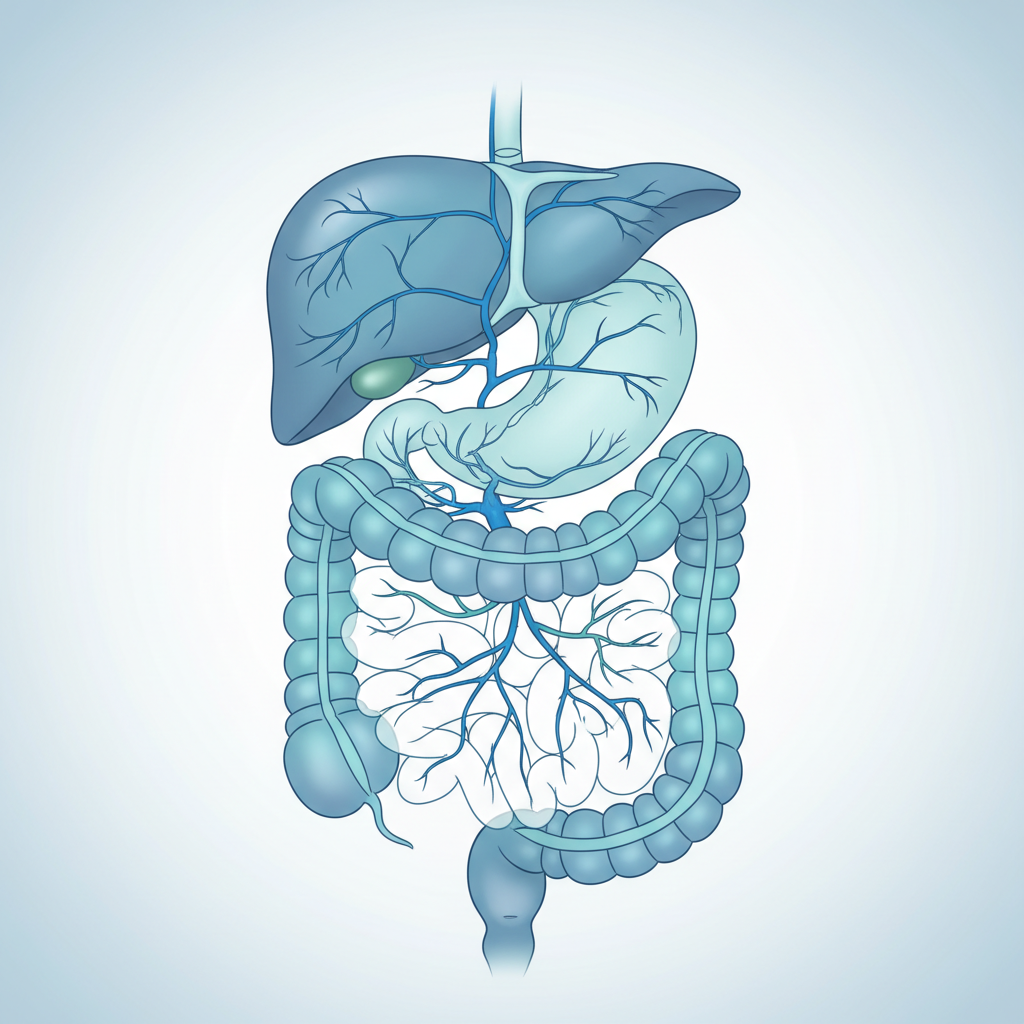
Warning signs that deserve investigation
Indigestion and piles are common; these signs persisting beyond them are what warrants a scan and a scope.
- ①Difficulty swallowing, food feeling held up on the way down.
- ②Persistent indigestion that doesn’t settle with routine treatment.
- ③Recurring vomiting, especially after meals.
- ④Altered bowel habit lasting more than four weeks.
- ⑤Blood in the stool, or black tarry stools.
- ⑥Unexplained weight loss.
- ⑦Unexplained anaemia found on a routine blood test.
- ⑧A lump you can feel in the abdomen.
Organs we operate on
◆Oesophagus
Cancers of the food pipe, including tumours needing reconstruction with stomach or bowel.
◆Stomach
Gastric cancers with D2 lymph node clearance as standard.
◆Colon & Small Bowel
Right hemicolectomy, sigmoid colectomy, complete mesocolic excision.
◆Rectum
Sphincter-preserving low anterior resections; APR reserved for when truly required.
◆Anal Canal
Tumours worked up and treated with combined-modality pathways.
◆Peritoneal Surface
Peritoneal malignancy assessed with HIPEC referral pathways where appropriate.
Operations performed here
- ◆OesophagectomyRemoval with gastric pull-up reconstruction, staged after proper workup.
- ◆Gastrectomy — subtotal & totalWith D2 lymphadenectomy; nutrition planning starts before the operation.
- ◆Hemicolectomy & sigmoid colectomyWith complete mesocolic excision — the detail that improves cure rates.
- ◆Sphincter-preserving rectal resectionLow anterior resection avoiding a permanent stoma whenever oncology allows.
- ◆APR when requiredAn honest conversation about when a permanent colostomy is genuinely the safer choice.
- ◆Laparoscopic & robotic approachesKeyhole-first wherever evidence supports it — smaller cuts, faster recovery.
From first visit to full recovery
Endoscopy & biopsy
The diagnosis is confirmed through the scope, with images you can see yourself.
Staging CT / MRI / PET
Exact maps decide the order: chemo first, radiation first, or straight to surgery.
Tumour board review
Medical and radiation oncology agree the plan before anything is cut.
Surgery
Keyhole-first technique chosen for this patient, this tumour.
Nutrition & recovery
Dietitian-led feeding plans; stoma teaching when a stoma exists.
Surveillance
Scheduled scans and scopes catch recurrence early, when it’s still treatable.
Families usually ask…
In most colon cancers, no — the bowel is joined back during the same operation. For low rectal cancers it depends on how far the tumour reaches; sphincter preservation is attempted whenever margins safely allow, and if a stoma is needed we explain why plainly, before you consent.
Smaller incisions mean less pain, fewer wound complications and quicker return to normal activity — and importantly, less delay before chemotherapy when it’s needed next. The cancer operation itself follows the same principles either way.
After subtotal gastrectomy, most people eat smaller, more frequent meals. After total gastrectomy, dietitian-guided adjustment takes weeks, not months — and becomes routine. Nutrition planning starts before surgery, not after discharge.
Because operating without full information wastes your one best chance. Staging tells us whether chemo should come first, whether nodes need clearing, and which operation fits. A week spent staging properly protects years ahead.
Typically within 4–6 weeks once wounds have healed and strength returns. Keyhole surgery often shortens that gap — one reason it’s preferred where suitable.