Keyhole-first lung surgery that protects every breath you keep.
The chest holds the organs you can’t rest — so thoracic surgery is judged by what stays working afterwards. Here the philosophy is lung-function preservation: VATS keyhole techniques first, open surgery when it truly serves you, and smoking-cessation support without a word of judgment.
What is thoracic oncology?
It covers cancers inside the chest: lung cancer itself, mediastinal masses and thymoma, pleural disease including mesothelioma, and chest wall tumours. Many are found incidentally on scans done for something else — which is often lucky, because early findings are the most treatable.
The encouraging shift of recent years: for suitable tumours, keyhole (VATS) surgery has become the standard — same cancer clearance through a few small cuts instead of one large incision, meaning less pain and faster return to full activity.
A note on smoking: you will never be lectured here. What matters now is accurate staging and the best operation for your lungs as they are today.
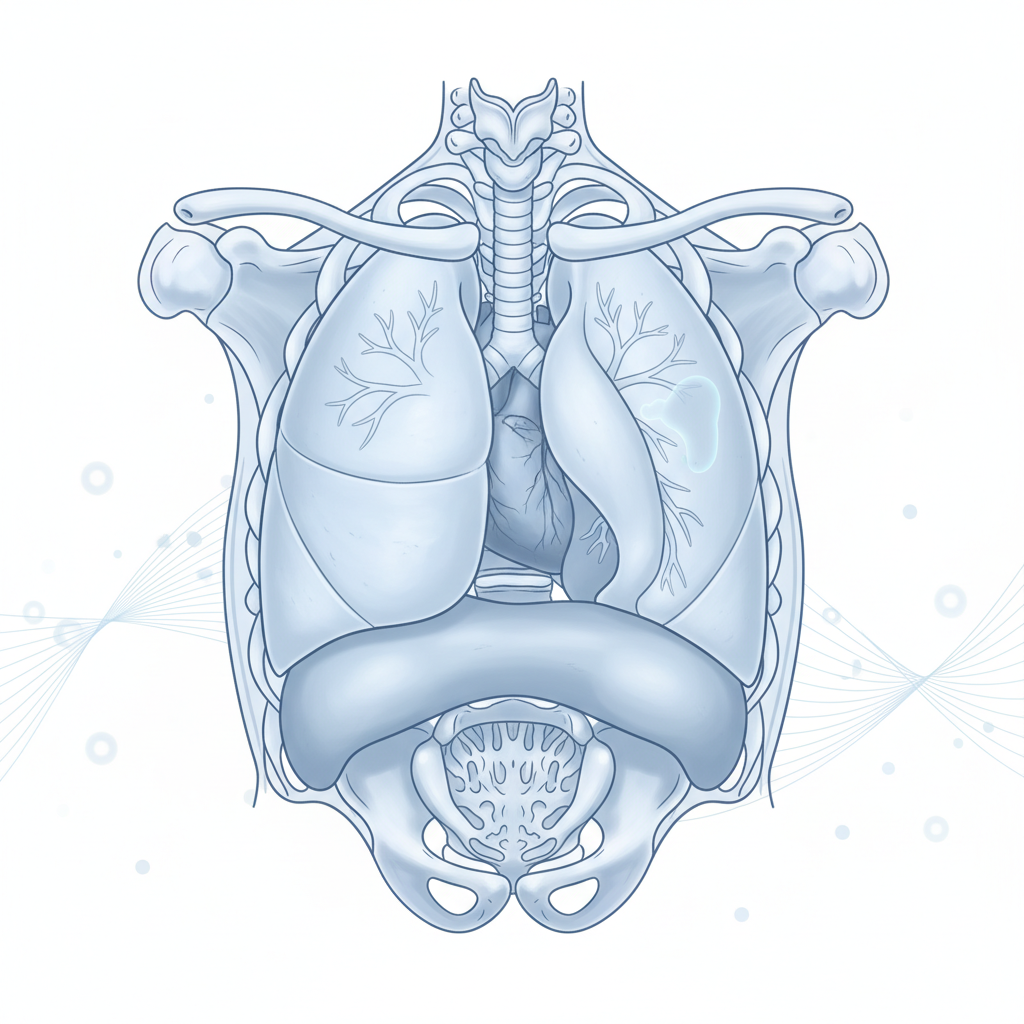
Warning signs that deserve a scan
A cough outlasting three weeks — in a smoker or not — deserves imaging, not just another syrup.
- ①A cough lasting more than three weeks.
- ②New or worsening breathlessness compared with your normal.
- ③Blood-streaked sputum, even once.
- ④Chest pain on one side that persists.
- ⑤Hoarseness of the voice without a cold to blame.
- ⑥Pneumonia recurring in the same area of the chest.
- ⑦Finger clubbing — nails curving over the fingertips.
- ⑧Unexplained weight loss alongside any of the above.
Conditions we treat
◆Lung Cancer
Early disease treated with segmentectomy or lobectomy; advanced patterns staged honestly.
◆Solitary Lung Nodules
Small findings on scans — assessed properly rather than watched anxiously.
◆Thymoma & Mediastinal Masses
Tumours of the space between the lungs, removed with nerve and vessel protection.
◆Pleural Disease
Recurrent fluid and pleural malignancy including mesothelioma — diagnosis and control.
◆Chest Wall Tumours
Resection with reconstruction to restore both structure and appearance.
◆Second Opinions
Staging scans reviewed before anyone commits you to an operation.
Operations performed here
- ◆VATS lobectomy & segmentectomyKeyhole removal of the involved lobe or segment — preserving maximum healthy lung.
- ◆Open lobectomy & pneumonectomyReserved for situations where keyhole access would compromise cure.
- ◆Sleeve resectionsClearing airway tumours while rebuilding the airway itself — saving lung that older techniques would have removed.
- ◆Thymectomy & mediastinal excisionMasses between the lungs removed with phrenic and recurrent nerves protected.
- ◆PleurodesisPermanent control of fluid that keeps returning around the lung.
- ◆Chest wall resection & reconstructionDefects rebuilt with prosthetic material for safe, stable chests.
From first visit to full recovery
Scan review
Your CT and PET read personally, slice by slice.
Tissue diagnosis
Biopsy arranged the right way — through the safest route for your tumour.
Lung-function testing
Breathing measured before planning how much lung surgery can spare.
Surgery
Keyhole-first, converted only for reasons you’ll be told.
Physio from day one
Breathing exercises and chest physiotherapy start immediately after waking.
Surveillance
Scheduled scans; adjuvant therapy coordinated when indicated.
Families usually ask…
For most early lung cancers, VATS gives equal cancer clearance with less pain and faster recovery, and is preferred here. Open surgery isn’t inferior care though — some tumour positions demand it, and choosing it then is the better decision.
Usually yes. Lung-function testing beforehand predicts exactly this, and segment-sparing techniques exist precisely to protect breathing. Most patients climb stairs and walk distances normally again within months.
Nearly always — operating on an undiagnosed spot risks removing lung for something benign. Rarely, highly suspicious nodules go straight to surgery; if so, that reasoning is explained fully first.
Node involvement changes the plan, usually adding chemotherapy before or after surgery — but it doesn’t end hope of operation. Staging exists precisely to place your disease correctly on the map.
Yes. Fitness for anaesthesia is judged by today’s lung tests, not yesterday’s habits — and quitting support is offered quietly, at any stage, without judgment.