Cancer clearance and natural appearance — oncoplastic surgery gives you both.
A breast cancer diagnosis arrives with a second, quieter fear: what will look and feel different afterwards? Oncoplastic technique answers both at once — removing the cancer completely while preserving the shape that is yours.
What does breast cancer surgery involve?
Surgery is the foundation of most breast cancer treatment. The choice sits between conservation (removing the lump with a margin of healthy tissue) and mastectomy (removing the whole breast) — decided by tumour size, type, position and your preference after honest discussion.
The underarm nodes matter too. A sentinel node biopsy samples the first few lymph nodes to check spread, sparing the rest whenever possible.
Not every breast lump is cancer — most are benign. But every new change deserves examination and imaging, because early cancers are the ones treated smallest, easiest and with the most options left open.
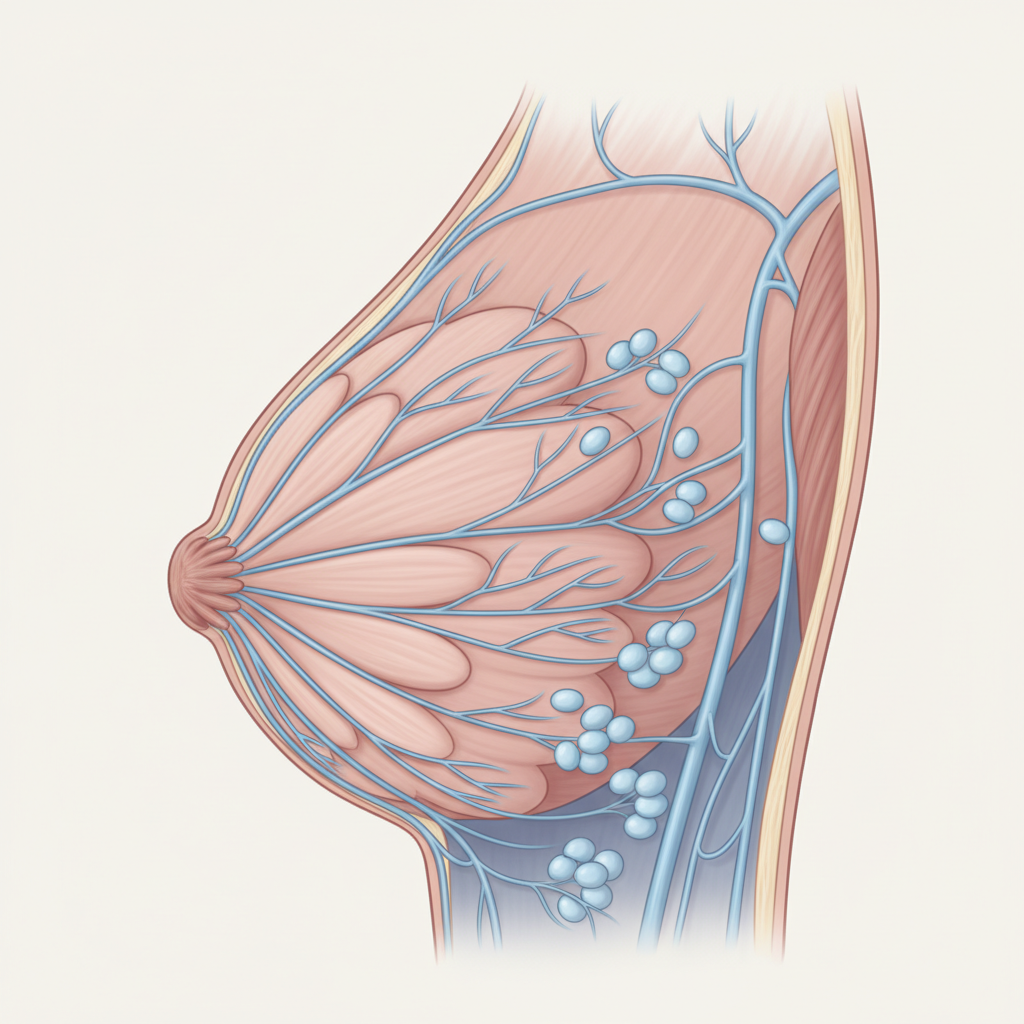
Changes that deserve examination
Most turn out benign. Checking is quick; waiting is what turns small problems into large ones.
- ①A painless lump — the kind people ignore longest.
- ②Skin dimpling that looks like orange peel.
- ③The nipple turning inward (retraction).
- ④Blood-stained discharge from the nipple.
- ⑤A change in breast size or shape.
- ⑥New asymmetry between the breasts.
- ⑦A lump in the armpit (axilla).
- ⑧Any new lump at all — most are benign, but every one deserves an examination.
Everything this service covers
◆Breast Conservation
Lumpectomy combined with oncoplasty — wide clearance reshaped to look natural.
◆Mastectomy
Simple, skin-sparing and nipple-sparing forms, chosen for the right reasons.
◆Sentinel Node Biopsy
Sampling the first nodes accurately so the rest can be left alone.
◆Axillary Dissection
Full node clearance when disease has genuinely reached them.
◆Benign Lumps
Fibroadenomas, cysts and lumps of every kind — assessed, reassured or removed.
◆Reconstruction Coordination
Planned with plastic surgery colleagues where reconstruction is wanted.
How treatment works here
- ◆Lumpectomy with oncoplastyCancer clearance and natural appearance in one operation.
- ◆Mastectomy — simple, skin-sparing or nipple-sparingMatched to tumour biology and your wishes, not to routine.
- ◆Sentinel lymph node biopsyThe standard first step; full dissection only when nodes are involved.
- ◆Rapid pathology reportingMargins confirmed during the same admission wherever possible.
- ◆Fertility & family planning counsellingFor young women — options discussed before treatment starts, not after.
- ◆Coordinated radiotherapy & chemotherapySequenced with medical and radiation oncology from day one.
From first visit to full recovery
Examination & imaging
Mammogram and ultrasound the same week where possible.
Core biopsy
Diagnosis before any surgery — never the other way round.
Multidisciplinary plan
Sometimes chemotherapy shrinks the tumour first; the order is chosen deliberately.
Surgery
Conservation or mastectomy, with node assessment built in.
Adjuvant therapy
Radiotherapy or chemotherapy started on schedule, recovery permitting.
Surveillance
Regular reviews — including how you feel about the result, not just the scans.
Families usually ask…
For suitable tumours, survival is equivalent in large long-term studies. Conservation plus radiotherapy matches mastectomy for cure while keeping the breast. When margins or tumour size make conservation unsuitable, we say so plainly.
Depends on tumour biology — size, grade, nodes and receptor status. Some small hormone-sensitive cancers need none. Decisions come from pathology and multidisciplinary review, shared with you in plain language.
Oncoplastic technique exists precisely for this — reshaping at the time of lumpectomy so the result looks natural. Most patients are genuinely surprised by how little shows. Perfection isn’t promised; a breast that feels like yours usually is.
Lumpectomy: often 1–2 weeks. Mastectomy: 3–4 weeks, longer if reconstruction or axillary surgery was done. You get a written recovery plan before the operation.
Most lumps at thirty are benign — but every new lump needs examination and imaging regardless of age. Come once; leave either reassured or with a small, early problem handled early.