Cancer control that keeps your kidneys working and your daily life intact.
Urological cancers live in the body’s most private systems — so the measure of success is not only the tumour removed, but the continence kept, the kidney saved, and confidence restored.
What are urological cancers?
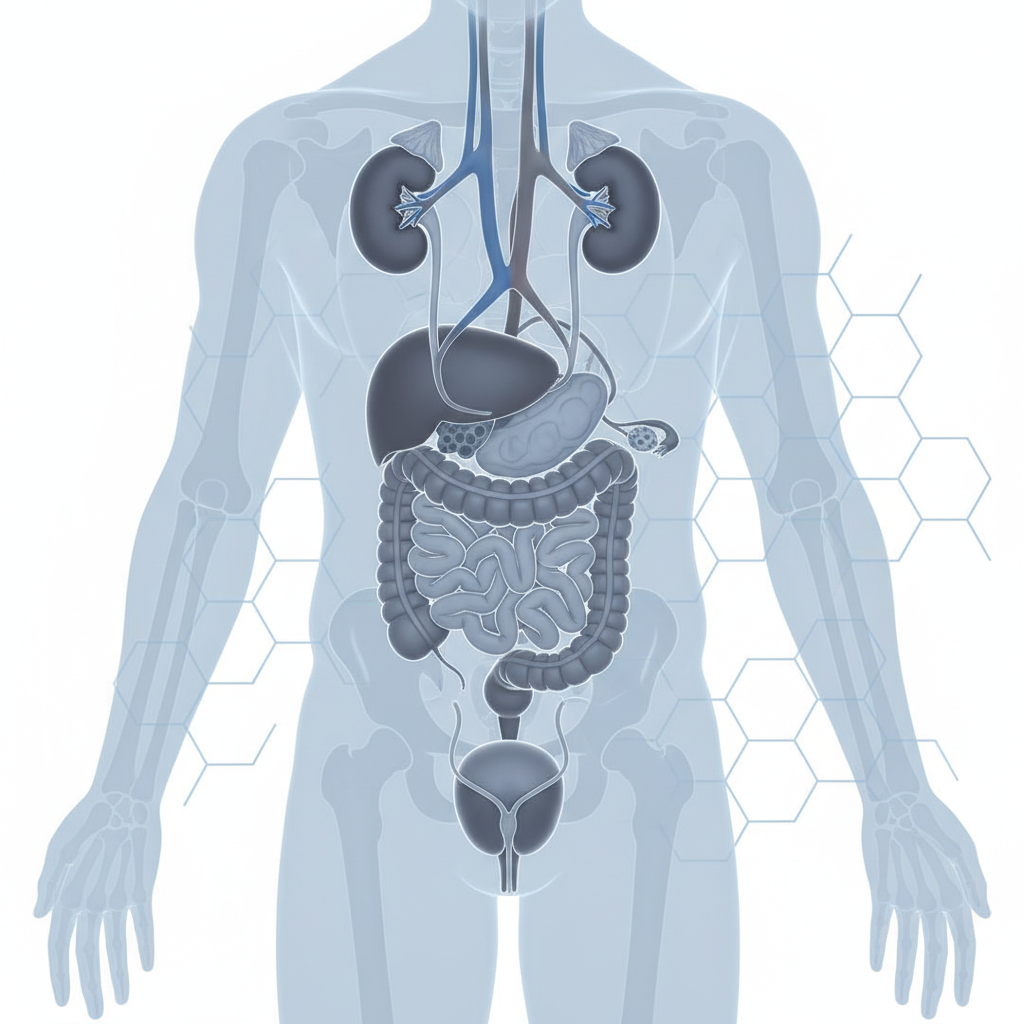
This territory covers the kidneys, bladder, prostate, testis, penis and adrenal glands — the organs of filtration, elimination and reproduction. Their cancers often announce themselves quietly: a single trace of blood in urine that came and went, or a lump found by accident.
The encouraging truth: many urological cancers are highly curable when caught — testicular cancer even at advanced stages has excellent outcomes with proper surgery and chemotherapy. And modern technique increasingly allows tumour removal without organ sacrifice: partial nephrectomy saves kidney units; nerve-sparing prostatectomy protects continence.
Equally honest: some small kidney tumours and low-risk prostate cancers are best watched rather than operated on — and being told “we will monitor this safely” is sometimes the wisest prescription you can receive.
Eight signals that deserve a specialist’s eyes
The most important rule in this territory: blood in the urine — even once, even painlessly — always deserves investigation.
- ①Blood in the urine — even once, even without pain.
- ②Passing urine more often than usual, day or night.
- ③Burning or discomfort while passing urine that persists.
- ④A testicular lump — firm, painless, noticed while washing.
- ⑤A feeling of heaviness in the scrotum without visible change.
- ⑥Bone pain — back or hips — appearing alongside urinary symptoms.
- ⑦Swelling of the legs developing gradually without other explanation.
- ⑧A weak stream or straining to pass urine — new difficulty merits prostate assessment after fifty.
Cancers treated in this territory
◆Kidney
Tumours removed with partial nephrectomy prioritised — saving working kidney units.
◆Bladder
From camera-based TURBT to radical cystectomy with carefully discussed diversion.
◆Prostate
Nerve-sparing radical prostatectomy — plus honest surveillance for low-risk disease.
◆Testis
Among the most curable cancers when treated on protocol — fertility talked through first.
◆Penile Cancer
Treated early with organ-preserving techniques wherever oncology permits.
◆Adrenal Glands
Functional and malignant adrenal masses removed laparoscopically where suitable.
Operations performed here
- ◈Radical & partial nephrectomyRemoving the tumour while keeping the remaining kidney units functioning hard.
- ◈Robotic & laparoscopic approachesSmaller cuts for major operations, selected where they genuinely serve recovery.
- ◈TURBT for bladder tumoursCamera-based removal through natural channels — no external cut at all.
- ◈Radical cystectomy with diversionIleal conduit or neobladder rebuilt and discussed openly before any decision.
- ◈Nerve-sparing radical prostatectomyContinence and potency protected as primary surgical goals, not hopeful extras.
- ◈RPLND & orchiectomy for testis cancerProtocol-driven operations behind some of oncology’s highest cure rates.
From first visit to full recovery
Imaging & urine tests
The source located precisely before anything else happens.
Scopes & markers
Cystoscopy or tumour markers as each organ demands.
Honest plan
Including surveillance-first advice when watching beats cutting.
Surgery
Organ-preserving and robotic where suitable; open when needed.
Recovery support
Continence training and potency rehabilitation built into follow-up.
Surveillance
Lifelong scheduled reviews — urology is a long game played well.
Families usually ask…
Yes — a healthy single kidney handles normal life completely well. That is exactly why partial nephrectomy exists: preserving kidney tissue now protects you for decades ahead. Regular monitoring becomes part of routine care.
Both are valid, and neither is universally better. A neobladder offers more natural urination but demands training and commitment; an ileal conduit is simpler and highly reliable. The choice depends on your fitness, tumour site and daily life — worked through honestly before surgery, never rushed.
The two that matter most are continence and erectile function. Nerve-sparing technique protects both whenever cancer allows it. Most men regain urinary control over months; potency recovery varies and support exists throughout. You will hear real numbers, not vague reassurance.
Sperm banking is offered before any treatment begins, precisely to protect future options. Many men father children naturally after treatment; chemotherapy protocols do carry variable effects. This conversation happens first, never as an afterthought.
Yes — a single painless episode is the classic presentation of early bladder and kidney tumours, and it must be investigated regardless of whether it recurs. One scan and scope give you either peace of mind or an early catch. Both are wins.