From food pipe to rectum — removing the cancer while protecting how you eat and live.
Digestive cancers touch the most everyday parts of life: meals, routines, dignity. Surgery here is judged not only by what is removed, but by what you keep — sphincters, nutrition, and normal life after recovery.
What are gastrointestinal cancers?
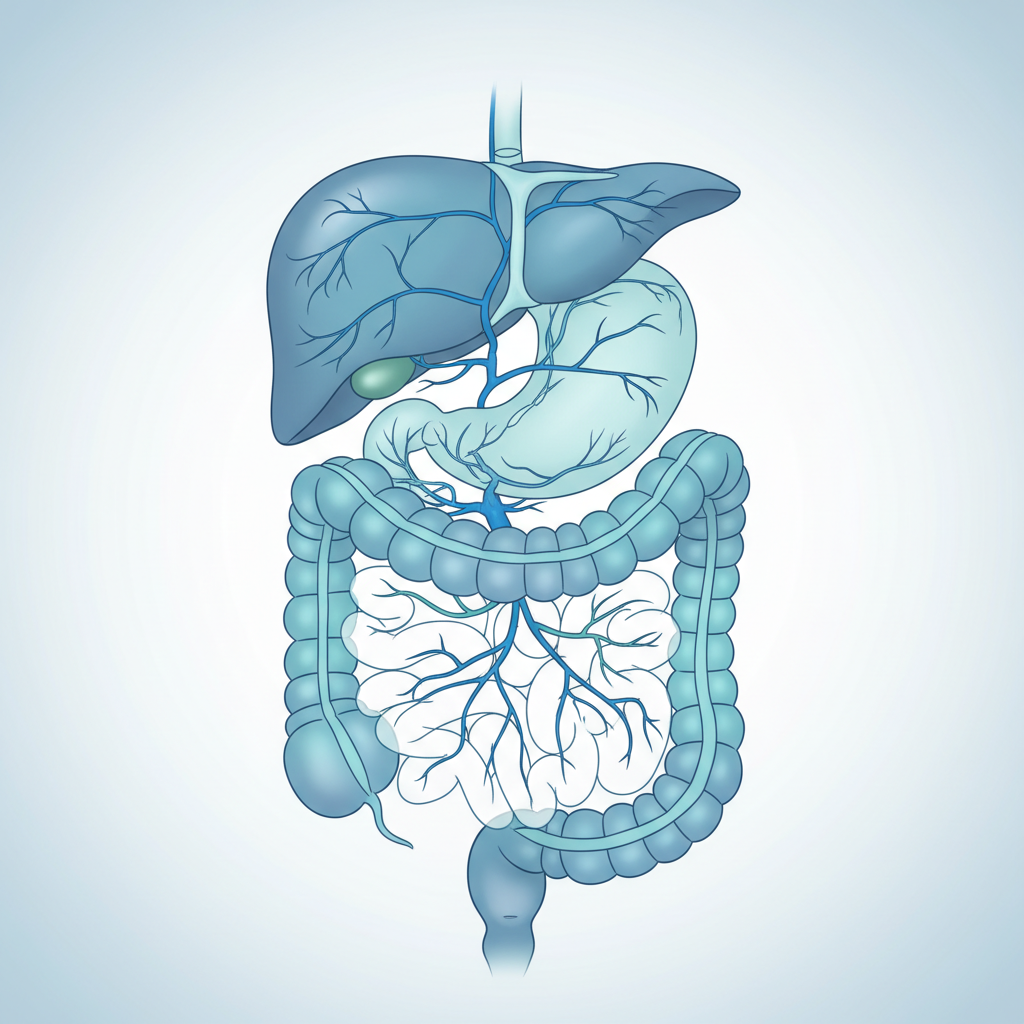
GI cancers arise along the route your food travels — oesophagus, stomach, colon, rectum — and in the anal canal, small bowel and peritoneal lining. Their early symptoms are famously quiet: a little indigestion, a changed bowel habit that seems too ordinary to worry about.
The encouraging truth: when these cancers are staged properly first, the treatment sequence becomes clear — sometimes chemotherapy or radiation comes before surgery to shrink the tumour, sometimes surgery leads. Either way, decisions follow evidence.
The preservation principle: wherever oncology safely allows, operations here aim for keyhole access, preserved sphincters and avoided stomas — so that life after surgery stays as close to life before as possible.
Eight signals that deserve a specialist’s eyes
Digestive symptoms are easy to dismiss as “gas” or routine acidity. These are the ones that should not be brushed aside.
- ①Difficulty swallowing, or food repeatedly feeling stuck on the way down.
- ②Persistent indigestion that does not settle with routine treatment.
- ③Repeated vomiting, especially soon after eating.
- ④An altered bowel habit beyond four weeks — new constipation, diarrhoea, or pencil-thin stools.
- ⑤Visible blood in the stool.
- ⑥Black, tarry stools — digested blood from higher up the tract.
- ⑦Unexplained weight loss without dieting or exercise changes.
- ⑧Unexplained anaemia on blood tests — or an abdominal lump you can feel.
Cancers treated in this territory
◆Oesophagus
Food-pipe cancers, treated with resection and reconstruction planned around swallowing.
◆Stomach
Gastric cancer with D2 lymphadenectomy performed as standard practice.
◆Colon
Right hemicolectomy and segmental resections with complete mesocolic excision.
◆Rectum
Sphincter-preserving low anterior resection prioritised whenever safely possible.
◆Anal Canal & Small Bowel
Malignancies of the distal tract and small intestine, managed within combined protocols.
◆Peritoneal Surface Malignancy
Spread onto the abdominal lining — assessed and routed through HIPEC referral pathways.
Operations performed here
- ◈OesophagectomyRemoval of the food pipe with stomach-pull-up reconstruction, restoring the ability to swallow.
- ◈Gastrectomy — subtotal & totalWith D2 lymph node clearance performed to standard for gastric cancer.
- ◈Colectomy with complete mesocolic excisionRight hemicolectomy, sigmoid colectomy and others done in correct oncological planes.
- ◈Sphincter-preserving low anterior resectionFor rectal cancer — keeping natural bowel function whenever margins allow it.
- ◈APR when requiredIf the sphincter cannot honestly be saved, that is said plainly before surgery — never discovered afterwards.
- ◈HIPEC referral pathwaysPeritoneal surface disease coordinated with specialist centres for heated chemotherapy protocols.
From first visit to full recovery
Endoscopy & biopsy
The tumour is seen directly and sampled where it lives.
Staging scans
CT, PET and endoscopic ultrasound map depth and spread precisely.
Tumour board sequencing
Chemotherapy or radiation first, when shrinking improves outcomes.
Surgery
Keyhole-first wherever suitable; open when it serves you better.
Enhanced recovery
Early feeding, physiotherapy and stoma training if one was needed.
Surveillance
Scopes and scans on schedule — catching anything early.
Families usually ask…
In many rectal and colon cases, no — sphincter-preserving techniques and temporary protective stomas exist exactly for this. When a permanent stoma truly is the safest option, you will be told clearly and prepared thoroughly beforehand, never surprised after waking up.
Smaller cuts mean less pain, fewer wound complications, faster return of bowel function and shorter hospital stay — while achieving the same cancer clearance as open surgery when done properly. It suits many, not all, patients; the recommendation depends on your specific disease.
After subtotal or total gastrectomy, most people return to near-normal eating through smaller, more frequent meals, guided by dietitian support during recovery. Vitamin supplements become part of routine care. Weight stabilises over months, not days.
Because the right sequence saves lives: operating on a tumour that needed chemotherapy first can compromise the outcome. Proper staging decides whether surgery, therapy-first, or combined treatment gives you the best chance — before anything irreversible happens.
Possibly — peritoneal surface malignancy has defined pathways involving cytoreductive surgery with HIPEC at equipped centres. Your reports will be reviewed and you will be guided honestly towards, or away from, those referral pathways.