Chapter 02 — The Craft
Speciality 02 · Breast Cancer SurgeryClearing the cancer completely — and helping you feel like yourself again.
Oncoplastic breast surgery treats two patients at once: the disease, and the woman. The goal is cancer clearance and a natural appearance together — because surviving well should include how you feel in the mirror.
A lump is a question, not a verdict
Most breast lumps are not cancer. But every change deserves one proper look — five minutes of examination replaces months of quiet worry. When something does need treatment, the modern question is no longer only “can it be removed?” but “how do we remove it well?”
Breast conservation surgery — lumpectomy with oncoplastic reshaping — removes the cancer with clear margins while preserving the breast’s natural form. For women who need or choose mastectomy, skin-sparing and nipple-sparing techniques keep options open for reconstruction.
Sentinel lymph node biopsy means the armpit is staged through a tiny procedure rather than a full clearance whenever possible — fewer arms swollen, fewer shoulders stiff, faster return to normal life.
For younger women, conversations about fertility and family planning happen before treatment begins, not after — because the sequence of decisions matters as much as the decisions themselves.
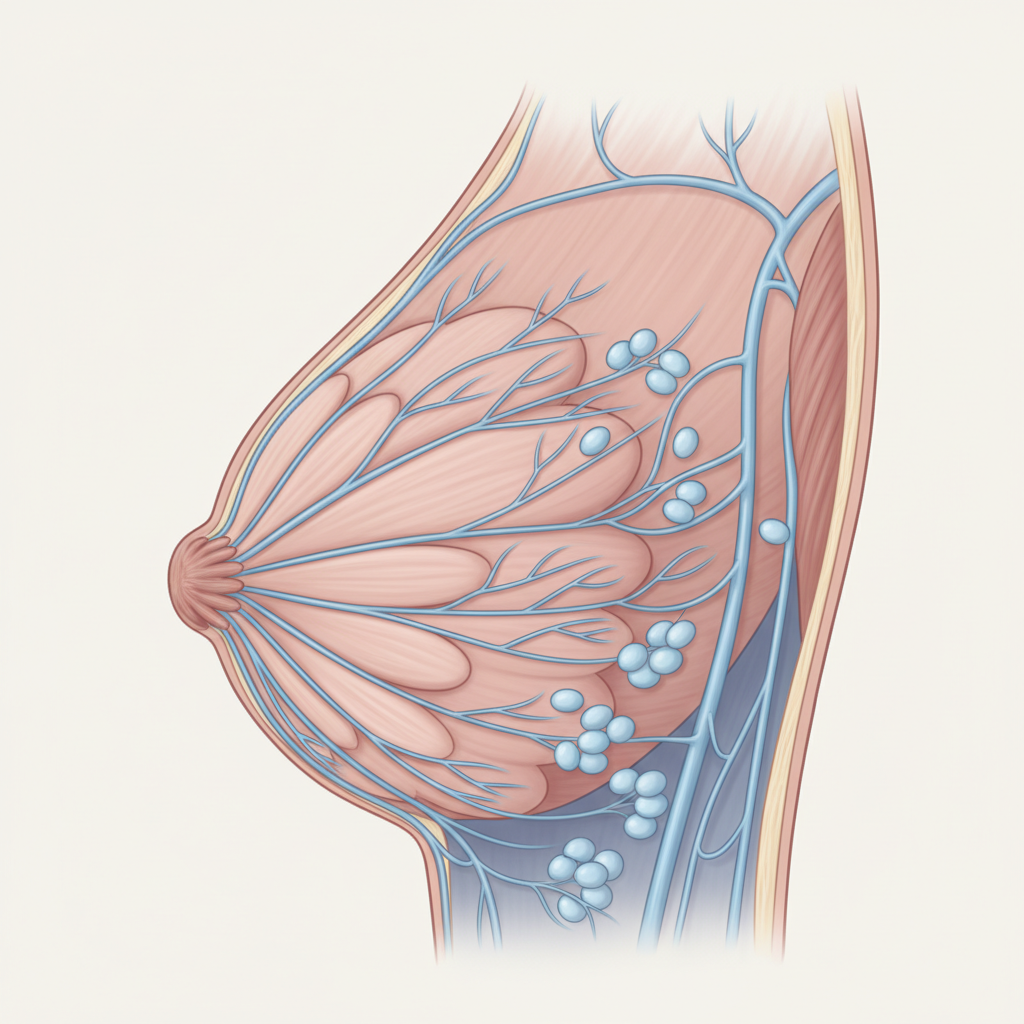
Changes that deserve examination
Most will have innocent explanations. Checking costs one visit; not checking can cost years. Any change lasting beyond a cycle warrants assessment.
- ①A painless lump in the breast — the ones that don’t hurt are the ones ignored longest.
- ②Skin dimpling or an “orange peel” texture on the surface.
- ③A nipple turning inward — retraction that is new, not lifelong.
- ④Blood-stained discharge from the nipple, without squeezing.
- ⑤A change in size of one breast, different from your usual.
- ⑥A change in shape or contour, often visible only in the mirror.
- ⑦New asymmetry between the breasts that wasn’t there before.
- ⑧A lump in the armpit — where the lymph nodes live.
Everything this service covers
✳Breast Conservation
Lumpectomy with oncoplastic technique — cancer clearance and natural appearance in the same operation.
✳Mastectomy Options
Simple, skin-sparing and nipple-sparing approaches chosen for your cancer and your wishes.
✳Armpit Node Staging
Sentinel lymph node biopsy first; full axillary dissection reserved for when nodes are truly involved.
✳Reconstruction Pathways
Coordinated planning so reconstruction is part of the plan from day one, never an afterthought.
✳Benign Lumps
Proper imaging, honest reassurance or clean excision — most lumps need exactly nothing more.
✳Young Women’s Concerns
Fertility and family-planning counselling woven into treatment decisions from the very start.
Clearing the cancer and honouring the person are not competing goals.
Operations performed here
- ✳Lumpectomy + oncoplastyThe cavity is reshaped with surrounding tissue so conservation doesn’t come at the cost of appearance.
- ✳Mastectomy — simple to nipple-sparingThe least extensive operation that safely clears your cancer, chosen case by case.
- ✳Sentinel lymph node biopsyStaging the armpit through the smallest possible procedure.
- ✳Axillary dissectionPerformed when nodes are involved — carefully, to protect nerves and lymphatic drainage.
- ✳Rapid pathology reportingMargins confirmed quickly, so you are not left waiting weeks between operation and answers.
- ✳Reconstruction coordinationPlanned alongside reconstructive colleagues — immediate where appropriate, staged where wiser.
From first visit to full recovery
Examination & history
An unhurried clinical breast examination — the oldest test, still the first.
Imaging & biopsy
Coordinated scans and needle biopsy; results explained in plain language.
Honest plan
Conservation versus mastectomy discussed openly, including reconstruction timing.
Surgery
Precise technique chosen for this body, this tumour, this life.
Reports & next steps
Pathology reviewed with you; chemotherapy or radiation added only when they help.
Follow-up & survivorship
Scheduled reviews, arm care advice, back-to-life goals.
Families usually ask…
For suitable cancers, yes — long-term survival is equivalent when lumpectomy is combined with radiation. The decision depends on tumour size relative to breast size, biology, and your preference. Both options are laid out honestly.
Not always. It depends on the tumour’s biology, size and nodal status — decided with medical oncology after final pathology. Some small hormone-sensitive cancers are treated with surgery and tablets alone.
Oncoplastic technique exists precisely for this — reshaping at the time of removal keeps the contour natural in most conservations. After mastectomy, reconstruction restores form; “normal” is defined by you, and we plan toward it together.
After lumpectomy-type procedures, many resume desk work within a week or two. Mastectomy with reconstruction typically needs three to four weeks. A written recovery timeline comes before consent.
No conversation is skipped here. Fertility preservation options are discussed before chemotherapy ever starts, and treatment sequences are planned around your family goals wherever oncology allows.