Curing the cancer while guarding kidney units, continence and confidence.
Blood in the urine, a testicular lump, a prostate reading — these findings unsettle sleep long before they reach a clinic. The work here is to replace that dread with a map: what it is, what can be saved, and exactly how.
What are urological cancers?
They arise in the kidney, bladder, prostate, testis, penis and adrenal glands — organs of filtration, continence and identity that people rarely discuss until something changes. Many are found early through blood in urine or scans done for other reasons.
The craft here lies in what surgery saves as much as what it removes: partial nephrectomy preserves functioning kidney units instead of removing whole kidneys; nerve-sparing prostatectomy protects continence and potency; robotic and laparoscopic approaches keep incisions small where suitable.
And sometimes the most surgical act is restraint — for certain slow-moving disease, active surveillance is genuinely better than operating, and you will be told so plainly when it is.
“ખૂન આવવું ગંભીર સંકેત છે — તપાસ કરાવો.” — Blood is a serious signal; please get checked.
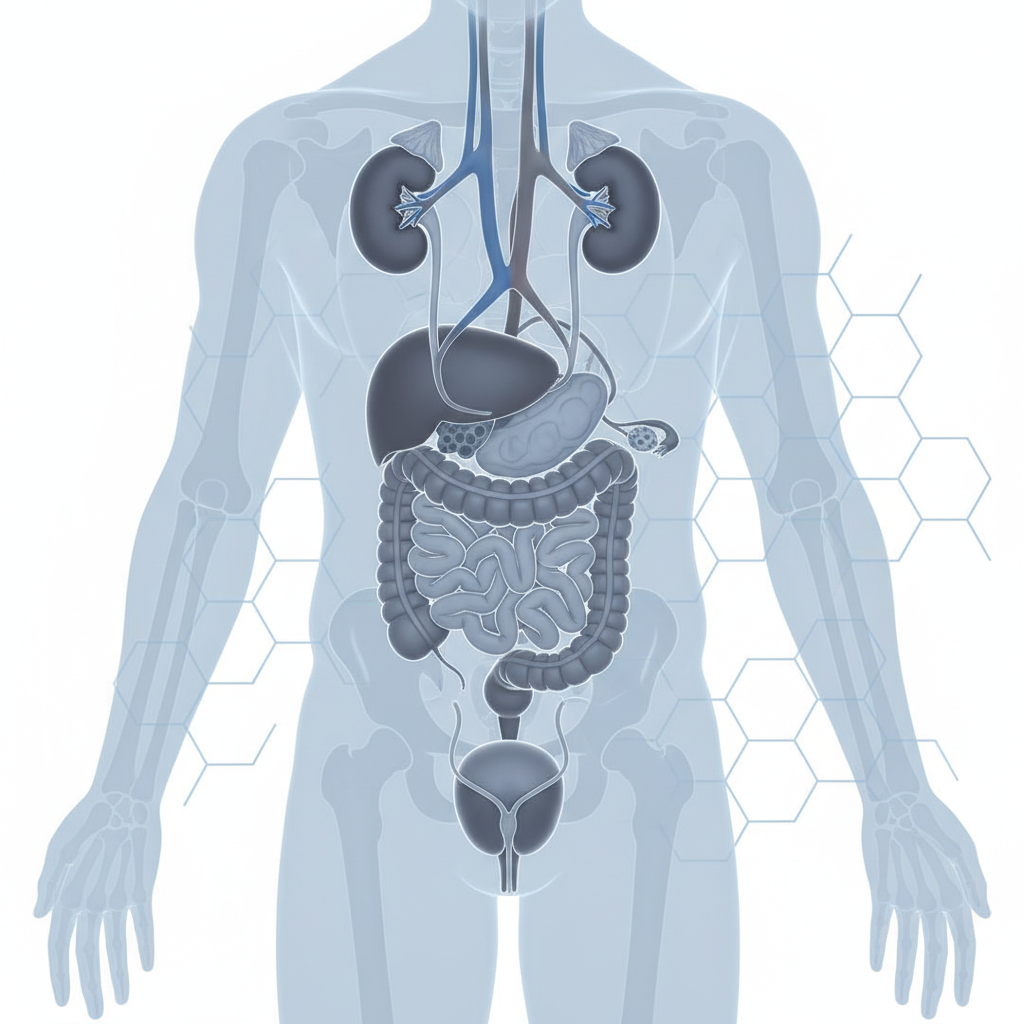
Warning signs worth investigating
None of these mean cancer on their own — but each one deserves an examination rather than another week of hoping it passes.
- ①Blood in the urine — even once, even painless. This sign always deserves a check.
- ②A change in urinary frequency or burning that persists without infection.
- ③A weak or interrupted urine stream, new and unexplained.
- ④A lump or feeling of heaviness in a testicle.
- ⑤Dull one-sided back or flank pain that will not settle.
- ⑥Bone pain appearing alongside urinary symptoms.
- ⑦Swelling of the legs without another explanation.
- ⑧Unexplained weight loss or fatigue alongside any of the above.
Organs treated here
〜Kidney
Radical and partial nephrectomy — preserving working units wherever possible.
〜Bladder
TURBT for early tumours; radical cystectomy with modern urinary diversion when needed.
〜Prostate
Nerve-sparing radical prostatectomy, with surveillance honesty for slow disease.
〜Testis
Orchiectomy and RPLND within highly curable treatment protocols.
〜Penis
Tissue-preserving surgery coordinated within combined pathways.
〜Adrenal
Adrenal masses removed through minimally invasive approaches where suitable.
Operations performed here
- ◆Radical & partial nephrectomyKidney cancer treated with unit preservation as the guiding aim.
- ◆Robotic / laparoscopic approachesSmaller cuts, less blood loss, faster recovery — selected where they truly help.
- ◆TURBTBladder tumours removed through the natural passage — no external incision.
- ◆Radical cystectomy + ileal conduit / neobladderBladder removal with a urinary pathway suited to your life.
- ◆Nerve-sparing radical prostatectomyContinence and potency protected wherever oncology allows.
- ◆RPLND & orchiectomyTestis cancer surgery within protocols known for excellent outcomes.
From first visit to full recovery
Listen first
Symptoms heard seriously — even a single episode of blood is taken at face value.
Image & biopsy
Scans and tissue tests establish exactly what we are treating.
Honest plan
Surveillance offered first when it genuinely beats surgery.
Surgery
Nerve-sparing, organ-preserving technique chosen for your body and future.
Recover together
Catheter care, physiotherapy and family updates handled stepwise.
Life after
Surveillance scheduled; continence and confidence given honest timelines.
Questions families usually ask
Yes — most people with one healthy kidney live entirely normal lives. That is precisely why partial nephrectomy is pursued so deliberately: every working unit kept now is reserve for the decades ahead.
Both are legitimate pathways, and neither is universally better. The honest choice depends on your tumour, your kidney function and your daily life — all walked through before any decision is made.
Continence and potency effects are discussed openly before consenting, not discovered afterwards. Nerve-sparing technique exists to protect both, and recovery follows realistic timelines set out in advance.
Fertility preservation options are discussed before treatment begins — this is a cancer where protocols achieve strong cure rates, so planning for life afterwards matters from day one.
For certain small, slow-moving tumours, active surveillance is genuinely the wiser course — and if your monitoring plan is already right, we will confirm it gladly rather than operate for the sake of it.