Keyhole-first surgery that protects every remaining breath.
The lungs carry a lifetime of use — and sometimes a history of smoking that brings its own quiet guilt. Here there is no judgment, only physics and planning: how much lung can safely go, and the gentlest way to take it.
What is thoracic cancer surgery?
It covers cancers of the lung, masses of the mediastinum (the central compartment between the lungs, including thymoma), disease of the pleura — the lining around the lung, including mesothelioma — and tumours of the chest wall.
The philosophy here is keyhole-first: VATS lobectomy and segmentectomy remove the tumour through small incisions instead of a large opening, which means less pain, fewer complications, and an easier return to breathing exercises and normal life. Open surgery and sleeve resections remain in the toolkit for when anatomy genuinely demands them.
Before any of it comes lung-function thinking: tests establish how much lung you can spare — because the goal is not merely removing cancer but leaving you with breath enough for the years after.
“Quitting questions are welcome here — asked without judgment, answered without lectures.”
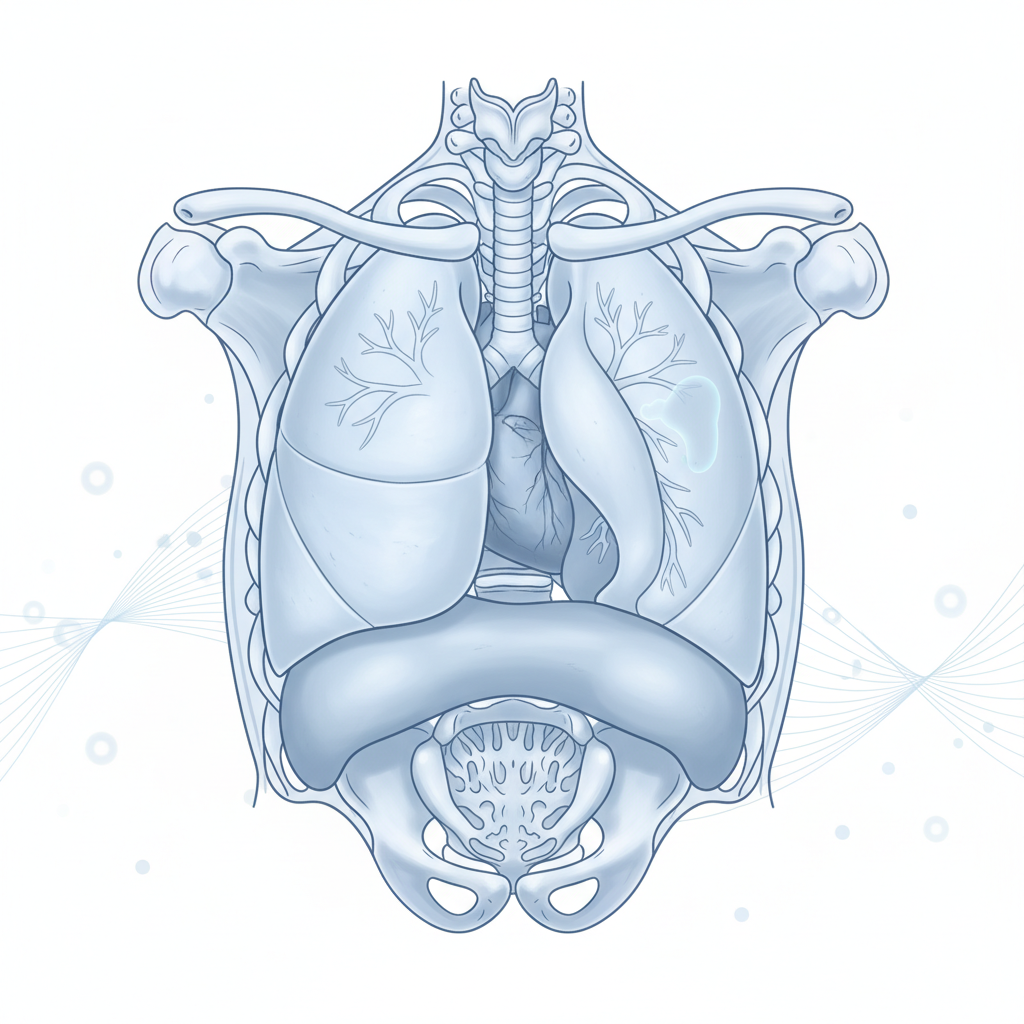
Warning signs worth investigating
Especially over the age of fifty or with a smoking history, these signals deserve a scan rather than another course of cough syrup.
- ①A cough lasting more than three weeks that refuses to settle.
- ②A change in breathlessness — stairs suddenly harder than they were.
- ③Blood-streaked sputum.
- ④Chest pain on one side, persistent and unexplained.
- ⑤New hoarseness without a cold or shouting.
- ⑥Pneumonia returning on the same side again and again.
- ⑦Finger clubbing — nails curving over rounded fingertips.
- ⑧Unexplained weight loss alongside any of the above.
Conditions treated here
〜Lung Cancer
Early and locally advanced disease — lobectomy, segmentectomy, sleeve resections.
〜Thymoma & Mediastinal Masses
Tumours of the central chest compartment, including thymectomy.
〜Pleural Effusion
Recurring fluid around the lung — pleurodesis to keep it from returning.
〜Mesothelioma
Pleural malignancy managed within combined multidisciplinary pathways.
〜Chest Wall Tumours
Resection with reconstruction where the structure demands it.
〜An Unclear Report?
If a scan mentions any chest shadow or mass, start with a consultation — clarity first.
Operations performed here
- ◆VATS lobectomy / segmentectomyKeyhole removal of the affected lobe or segment — the default first consideration.
- ◆Open lobectomy / pneumonectomyReserved for when the disease or anatomy truly requires it.
- ◆Sleeve resectionsRemoving tumour at the airway while sparing healthy lobe tissue.
- ◆Thymectomy & mediastinal excisionMasses between the lungs removed through appropriate approaches.
- ◆PleurodesisStopping recurrent fluid so breathing stays easier between treatments.
- ◆Chest wall resection & reconstructionStructural repair planned together with the oncological removal.
From first visit to full recovery
Listen first
Your breathing story heard fully — history taken without judgment.
Biopsy & stage
Tissue obtained the right way; scans map the disease completely.
Lung function first
Tests decide how much lung can safely go before anything is promised.
Honest plan
Keyhole versus open explained with reasons, not preferences.
Surgery & recovery
Precision resection, then breathing physiotherapy from day one.
Life after
Surveillance scans, cessation support if wanted, back-to-life goals.
Questions families usually ask
For suitable tumours, VATS keyhole surgery offers the same cancer clearance with less pain and faster recovery — which is why it is tried first. Open surgery remains the right answer in some situations, and you will be told plainly which applies to yours.
Lung-function testing before surgery exists precisely to answer this. Operations are planned so the remainder can carry you well — most people return to daily activities comfortably, though stamina builds gradually with physiotherapy.
In most cases yes — knowing exactly what we are treating shapes every decision after. Occasionally imaging alone justifies surgery, and those exceptions are explained when they apply.
Nodal involvement changes the sequence more than the destination — chemotherapy or radiation often travels ahead of or after surgery. The plan is built by the tumour board, not by one opinion.
No judgment here — ever. You will be treated, and if you wish, supported to quit as part of your recovery. Shame helps no one breathe; support does.