Curing the cancer while preserving the parts of life that make it feel like yours.
Kidney units saved when they can be. Continence and potency protected where safe to do so. Active surveillance recommended honestly when surgery is not the right answer. Uro-oncology is preservation as much as removal.
What is urological cancer surgery?
Uro-oncology covers cancers of the kidney, bladder, prostate, testis, penis and adrenal gland. Each carries its own question about quality of life after cure — and each rewards a surgeon who plans for the years after the operation, not just the weeks.
The encouraging truth: many urological cancers are found early and respond excellently to treatment. Partial nephrectomy can save a working kidney; nerve-sparing prostatectomy protects continence and potency; testicular cancer is among the most curable of all.
The one-time rule: blood in the urine — even once, even painlessly — deserves a full workup. It is the single most ignored early signal in this specialty.
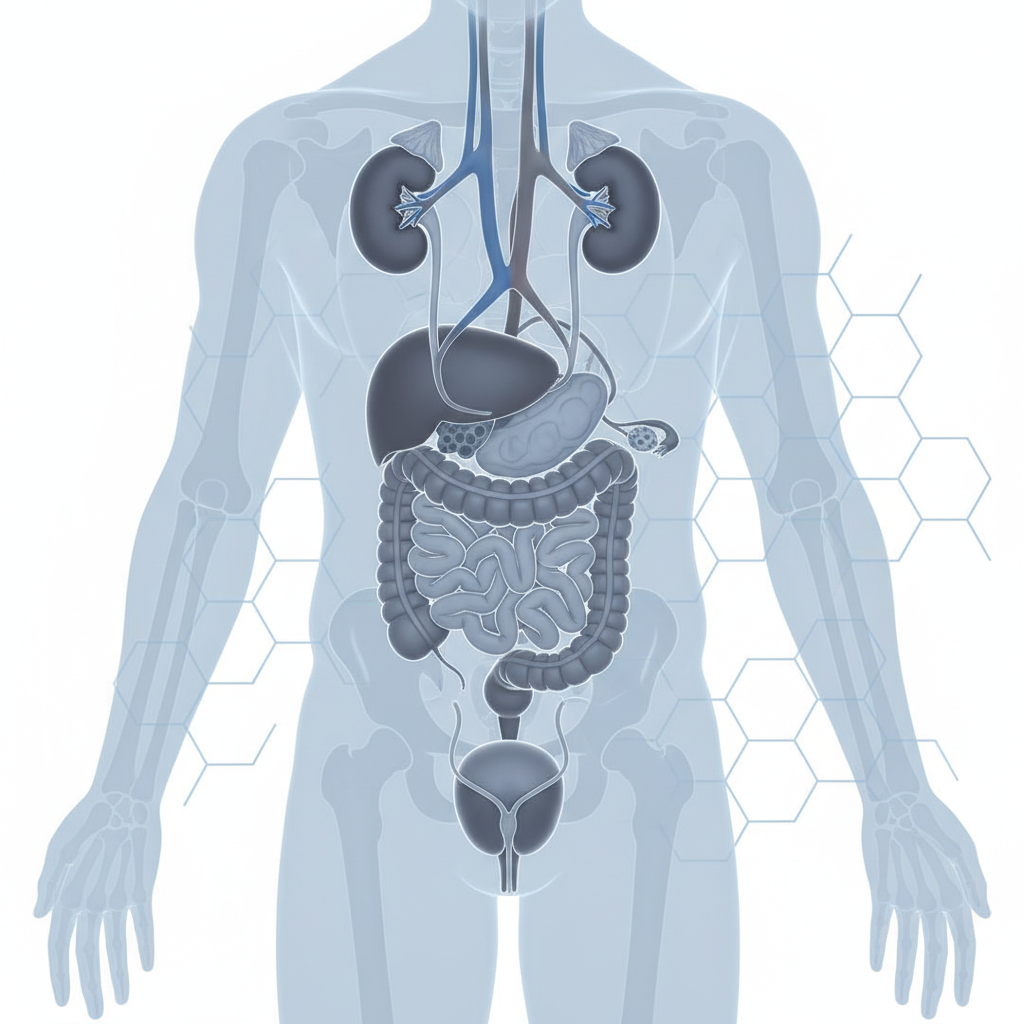
Eight signals that deserve a specialist’s eyes
Any of these warrants investigation rather than waiting. Most will be innocent; the ones that aren’t are exactly why we check.
- ①Blood in the urine — even a single painless episode counts.
- ②A change in urinary frequency — going far more or less than usual.
- ③Burning while passing urine, without infection to explain it.
- ④A testicular lump — firm, painless lumps matter most.
- ⑤A feeling of heaviness in the scrotum that is new.
- ⑥Bone pain alongside urinary symptoms — the combination matters.
- ⑦Swelling of the legs without an obvious cause.
- ⑧Unsure what you’re seeing? Send your reports on WhatsApp (+91 99783 06391) — reviewed personally before you travel anywhere.
Organs we treat in this specialty
◆Kidney
Radical and partial nephrectomy — saving kidney units wherever oncology allows.
◆Bladder
TURBT for early tumours through to radical cystectomy with urinary reconstruction.
◆Prostate
Nerve-sparing radical prostatectomy — plus honest surveillance for low-risk disease.
◆Testis
One of the most curable cancers — RPLND and coordinated chemotherapy pathways.
◆Penile
Function- and appearance-preserving surgery planned with dignity at the centre.
◆Adrenal
Adrenal masses worked up hormonally first, then resected laparoscopically where suitable.
Operations performed here
- ◆Radical & partial nephrectomyRobotic or laparoscopic approaches chosen to preserve kidney function, not just remove tumour.
- ◆TURBT for bladder tumoursCamera-based removal through natural passages — no external cut.
- ◆Radical cystectomy with reconstructionIleal conduit or neobladder — discussed openly before any decision.
- ◆Radical prostatectomy (nerve-sparing)Continence and potency preserved wherever cancer biology permits.
- ◆RPLND for testis cancerRetroperitoneal lymph node dissection within proven chemotherapy pathways.
- ◆OrchiectomyPerformed with implant options discussed beforehand.
From first visit to full recovery
Consultation & report review
Symptoms, scans and blood reports read together with you.
Imaging & biopsy staging
CT/MRI arranged quickly; tissue diagnosis obtained properly.
Honest discussion
Surgery versus active surveillance — decided on evidence, explained plainly.
Precision surgery
Organ- and nerve-sparing technique chosen for your specific disease.
Recovery programme
Catheter care, pelvic floor physiotherapy and follow-up structured in advance.
Surveillance & fertility talks
Long-term reviews scheduled; fertility preservation discussed where relevant.
Families usually ask…
Yes — most people live completely normal lives with one healthy kidney. That is exactly why partial nephrectomy is preferred wherever possible: we save what works.
Both are good answers to different lives. A neobladder offers more natural passage but needs training and commitment; an ileal conduit is simpler and dependable. We lay both out honestly against your health, dexterity and preferences — no default pressure either way.
The honest list: temporary urinary leakage (almost always improves), and changes in erections depending on whether nerves were spared. Nerve-sparing technique exists precisely to minimise these — and recovery programmes start from day one.
It can, and treatment planning takes that seriously — sperm banking is discussed before any treatment begins. The encouraging truth: testicular cancer remains one of the most curable, and most men go on to father children.
No — and saying so honestly is part of good care here. Some small, slow tumours are best watched with structured active surveillance; we recommend it whenever watching genuinely beats cutting.