Keyhole-first from food pipe to rectum — with the exit you came with, wherever safely possible.
GI cancer surgery is a discipline of millimetres and margins: oesophagus, stomach, colon, rectum, anal canal, small bowel and peritoneal surfaces — treated with sphincter preservation as the default ambition, not the exception.
What is GI cancer surgery?
Gastrointestinal cancers begin anywhere along the digestive tract — oesophagus, stomach, colon, rectum, anal canal, small bowel or the peritoneal lining. Most announce themselves late, which is why staging before treatment matters more here than almost anywhere.
The encouraging truth: when staged properly and operated by trained hands, GI cancers respond well — and modern technique means smaller cuts, faster recovery, and stomas avoided wherever safely possible.
The bowel habit rule: any change lasting more than four weeks, or blood in the stool at any age beyond routine haemorrhoids, deserves a proper look — not an assumption.
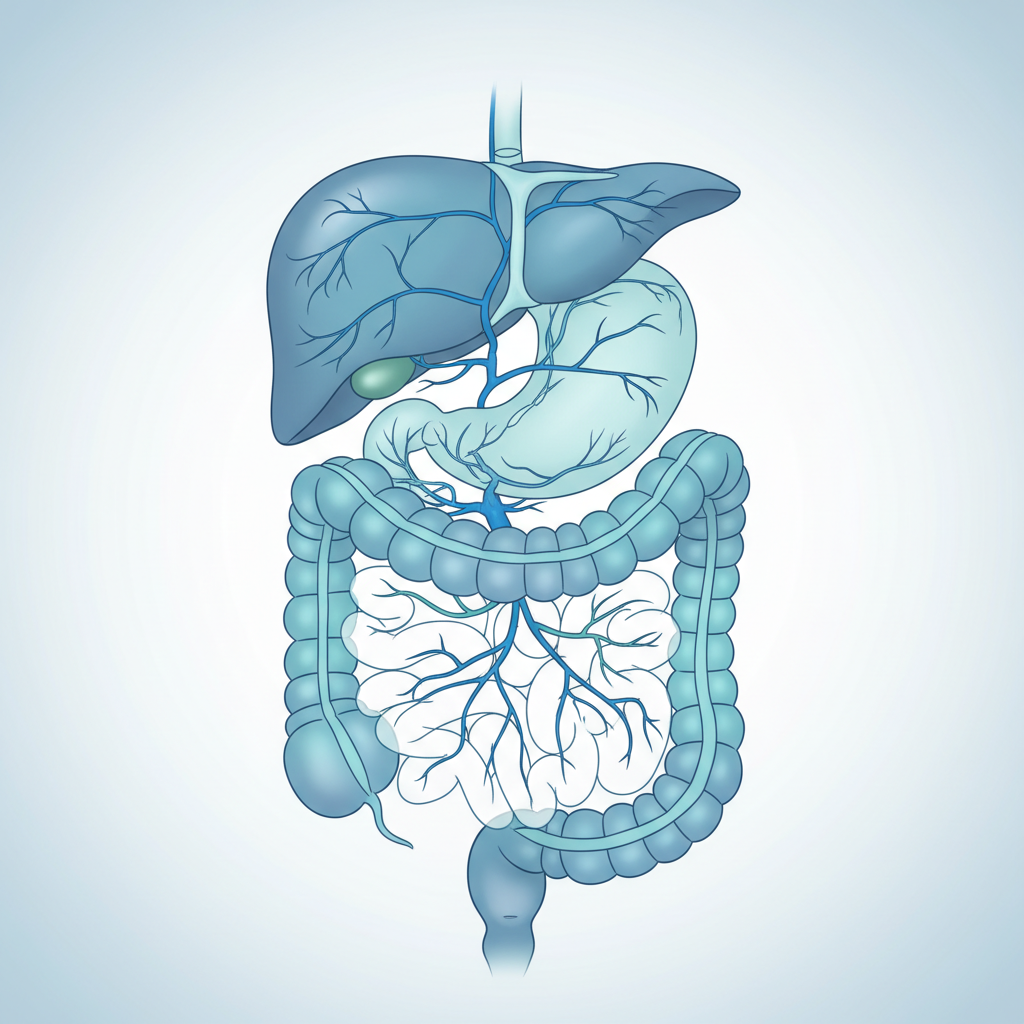
Eight signals that deserve a specialist’s eyes
Any of these warrants investigation rather than waiting. Most will be innocent; the ones that aren’t are exactly why we check.
- ①Difficulty swallowing — food seeming to hold up on the way down.
- ②Persistent indigestion that doesn’t settle with routine treatment.
- ③Vomiting that keeps returning, especially with weight loss.
- ④Altered bowel habit — new constipation or looseness lasting over four weeks.
- ⑤Blood in the stool, or black stools.
- ⑥Unexplained weight loss without dieting or extra activity.
- ⑦Unexplained anaemia found on blood tests — often the first silent signal.
- ⑧An abdominal lump — any new mass felt in the belly needs imaging, not watching.
Cancers we treat in this tract
◆Oesophagus
Food-pipe cancers, including those needing oesophagectomy with chest-and-abdomen planning.
◆Stomach
Gastric cancers with D2 lymphadenectomy as the standard of care.
◆Colon & Rectum
Right/hemicolectomy, sigmoid colectomy and sphincter-preserving low anterior resections.
◆Anal Canal
Tumours managed within combined-modality pathways, surgery when indicated.
◆Small Bowel
A rarer group — resected with the same margin discipline as their commoner cousins.
◆Peritoneal Surface Malignancy
Including HIPEC referral pathways for selected peritoneal disease.
Operations performed here
- ◆OesophagectomyRemoval of the involved food pipe with reconstruction — planned around your fitness, not a template.
- ◆Subtotal / total gastrectomy (D2)Complete lymphadenectomy performed to international standards, laparoscopically where suitable.
- ◆Right / hemicolectomy & sigmoid colectomyWith complete mesocolic excision — the detail that drives colon cancer outcomes.
- ◆Sphincter-preserving low anterior resectionFor rectal cancer — keeping normal passage wherever oncologically safe.
- ◆APR when requiredDone honestly when it truly is the safer operation, never as a shortcut.
- ◆HIPEC referral pathwaysSelected peritoneal disease coordinated to dedicated HIPEC centres.
From first visit to full recovery
Consultation & report review
Your story and existing endoscopy/scans reviewed personally.
Staging completed properly
CT, MRI or PET as indicated — the map before the journey.
Tumour board plan
Chemotherapy or radiation before/after surgery decided by committee, not habit.
Surgery
Laparoscopic or robotic where suitable; open where that is simply right.
Nutrition-first recovery
Eating plans begin immediately — gut surgery recovers on nutrition.
Surveillance
Structured scans and scope reviews on schedule, not on hope.
Families usually ask…
Often not — sphincter-preserving low anterior resection avoids a permanent bag for many rectal cancers. Where an APR is genuinely safer, we explain exactly why before you decide. Stoma avoidance is a goal here, not a slogan.
Smaller cuts mean less pain, fewer wound complications and faster recovery of bowel function — with equal cancer outcomes in experienced hands. It is recommended where it genuinely helps, not automatically.
Most patients return to enjoyable, smaller, more frequent meals. A dietitian plans your recovery eating from day one, and most people regain lost weight steadily over months.
Because the right operation depends entirely on how far the disease has travelled. Operating without complete staging risks treating the wrong problem first — every major decision here waits for the full map.
Heated chemotherapy delivered inside the abdomen during surgery for selected peritoneal surface cancers. It suits only specific situations — we assess honestly and coordinate referral pathways when it offers real benefit.