Cancer clearance and a natural appearance — both, in the same operation.
Oncoplastic technique means you never have to choose between safe and whole. Rapid pathology reports guide every decision; fertility and family planning are discussed openly with young women before anything begins.
What does breast cancer surgery involve?
The aim is always the same: remove the cancer completely. The choices differ — breast conservation (lumpectomy + oncoplasty) where the cancer allows it, or mastectomy (simple, skin-sparing or nipple-sparing) where it doesn’t.
Around the main surgery sit equally important decisions: sentinel lymph node biopsy to check spread with minimal side effects, axillary dissection when needed, benign lumps managed without over-treatment, and coordination of reconstruction.
The encouraging truth: modern oncoplastic technique treats cancer and honours appearance at once — most women who undergo conservation look natural in clothing and out of it.
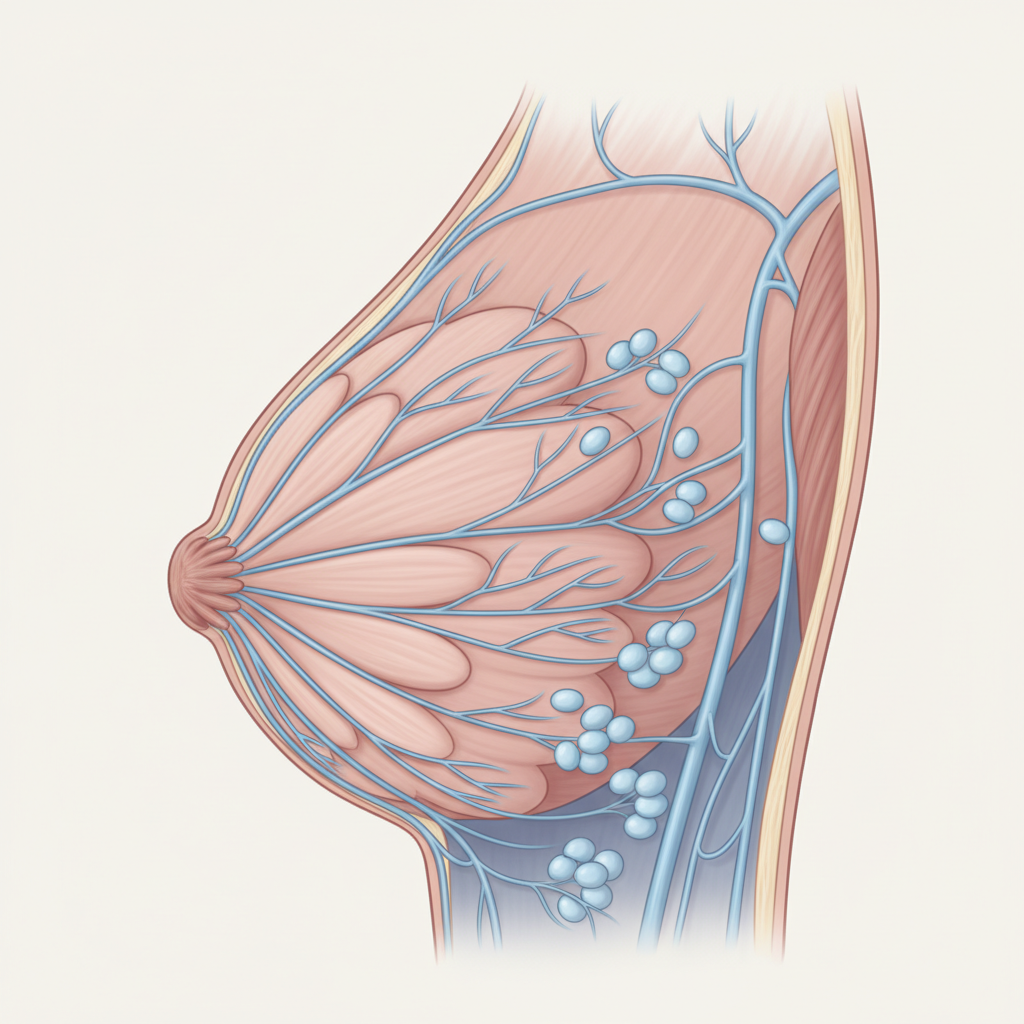
Eight signals that deserve a specialist’s eyes
Any of these warrants examination. Most will be innocent; the ones that aren’t are exactly why we check — early detection changes everything.
- ①A painless lump in the breast — the one women notice but delay reporting longest.
- ②Skin dimpling — sometimes called an orange-peel appearance.
- ③Nipple retraction — the nipple turning inward or changing direction.
- ④Blood-stained nipple discharge from a single duct.
- ⑤A change in size of one breast compared with the other.
- ⑥A change in shape or contour, especially when raising your arms.
- ⑦New asymmetry that wasn’t there before.
- ⑧A lump in the armpit (axilla), even when the breast feels normal.
Everything this specialty covers
◆Breast Conservation
Lumpectomy with oncoplastic technique — cancer clearance and natural appearance together.
◆Mastectomy Options
Simple, skin-sparing and nipple-sparing procedures chosen for your cancer and your wishes.
◆Sentinel Node Biopsy
Checking spread accurately while avoiding the side effects of full removal wherever possible.
◆Axillary Dissection
When nodes are involved — performed precisely, with arm function in mind.
◆Benign Lumps
Assessed honestly and managed without over-treatment — not every lump needs major surgery.
◆Reconstruction Coordination
Planned with reconstructive colleagues so timing and options are discussed from the start.
How care is delivered here
- ◆Breast conservation surgeryLumpectomy combined with oncoplasty — the cancer removed and the shape preserved in one planned operation.
- ◆Mastectomy — simple / skin-sparing / nipple-sparingSelected honestly for your tumour type, stage and body.
- ◆Sentinel lymph node biopsyThe first draining node checked with precision before any larger axillary decision.
- ◆Axillary dissectionReserved for proven nodal disease — never routine.
- ◆Rapid pathology reportsMargins confirmed during decision-making, not weeks after.
- ◆Fertility & family counsellingYoung women discuss family planning and its impact on treatment before surgery, not after.
From first visit to full recovery
Clinical examination & imaging
Examination plus mammography/ultrasound as indicated — nothing skipped.
Biopsy, done properly
Tissue diagnosis first, with rapid pathology reports guiding the plan.
Honest surgical conversation
Conservation vs mastectomy laid out openly, including reconstruction and fertility questions.
Oncoplastic surgery
Precision resection with immediate attention to appearance where appropriate.
Recovery together
Physiotherapy, wound care and drain management explained day by day.
Surveillance
Structured follow-up catches anything new early, while it’s easy.
Families usually ask…
For many tumour types, yes — long-term survival is equivalent when conservation is combined with proper margins and any recommended radiation. The honest answer depends on your specific cancer, and we’ll show you the reasoning, not just the conclusion.
It depends on biology — size, nodes, receptor status, grade — not on which operation you choose. We coordinate medical oncology input so the decision is made by evidence.
Oncoplasty exists for exactly this reason: reshaping at the time of conservation so the treated breast looks natural. Many patients tell us they can’t tell which side was operated on — that’s the standard we plan for.
Most women return to desk work within two to three weeks after conservation, longer after mastectomy or reconstruction. You’ll get a written recovery timeline before consenting.
Yes — and we discuss it before treatment starts. Fertility and family planning counselling is part of the pathway for young women here, including how timing of chemotherapy interacts with plans for children.