Saving kidneys, continence and confidence — not just removing organs.
Urological cancer surgery carries a second scoreboard: how much kidney unit survived, whether control and intimacy endured, how normal life resumed. Partial nephrectomy, robotic approaches and honest surveillance exist precisely because those numbers matter as much as the pathology report.
What is urological cancer?
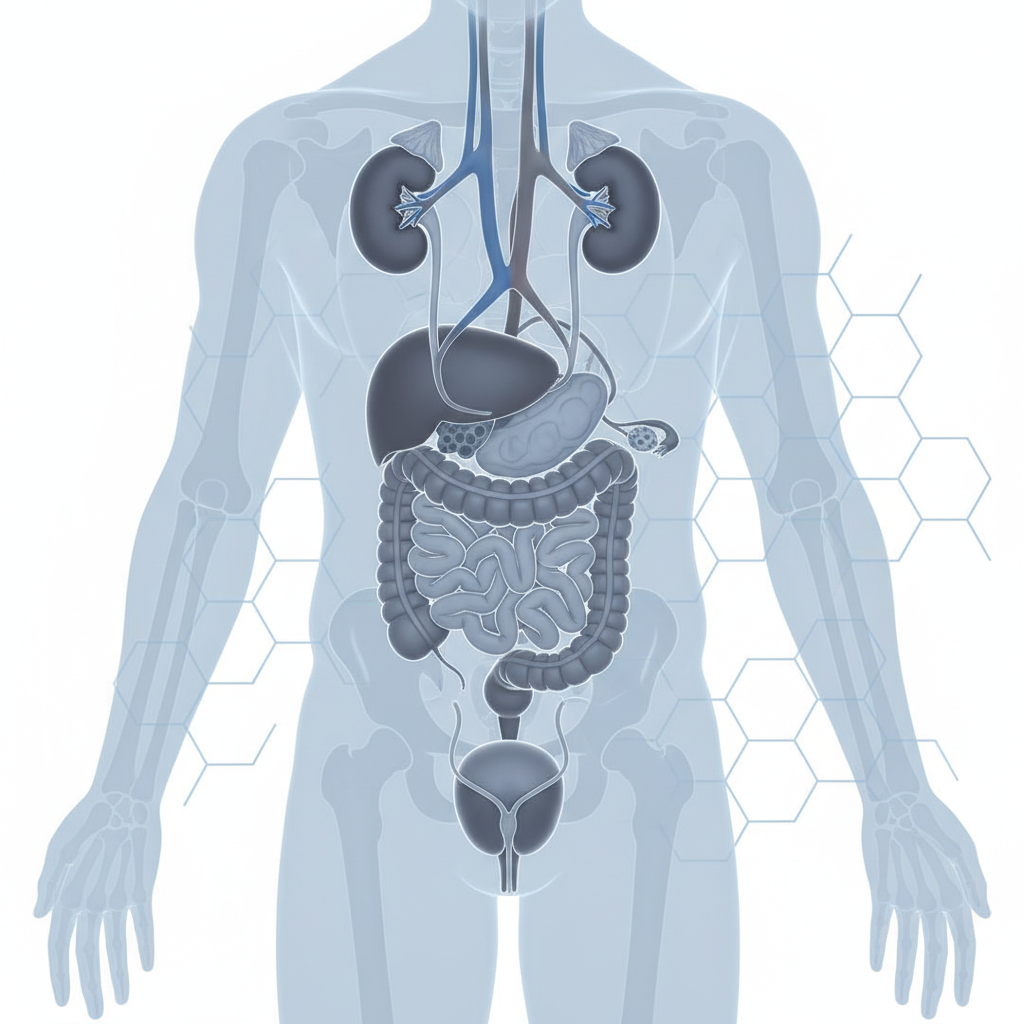
Uro-oncology covers the kidneys, bladder, prostate, testis, penis and adrenal glands. These organs govern some of life’s quietest functions — which is why surgery here is judged not only by what is removed but by what is kept.
Blood in the urine is the great signal — even once, even painless, even if it never returns. Most causes turn out benign, which is exactly why every episode deserves one proper look rather than hopeful forgetting.
The craft in this field is preservation: partial nephrectomy keeps kidney units working, nerve-sparing prostatectomy protects continence and potency, neobladder reconstruction can replace a removed bladder with an internal reservoir. And sometimes — said honestly here — the right treatment is careful watching: small, slow tumours in older patients are sometimes best left under surveillance, and you will hear that option without bias.
“A cure that costs everything is no cure at all. We count what stays, not only what goes.”
તમે એકલા નથી — you are not alone. These conversations happen here in Gujarati, Hindi or English.
Eight signs worth acting on quietly and quickly
None of these should cause panic — most resolve into benign explanations. But urological cancers are often silent until they are not, so these signals are taken seriously by design.
- ①Blood in the urine — even once, even painless. The single most important sign in this whole list.
- ②New frequency or urgency — needing to go far more often than your lifelong pattern.
- ③Burning or discomfort passing urine that persists after infections have been treated.
- ④A lump in a testis, firm and painless — found usually in the shower, ignored usually for months.
- ⑤Heaviness or dull ache in the scrotum without injury.
- ⑥Bone pain — often the back — together with urinary symptoms.
- ⑦Swelling of both legs appearing without other explanation.
- ⑧A finding on a routine scan you were told to just watch — a structured second look costs little and settles it.
Organs we treat
◆Kidney
Tumours removed with nephron preservation wherever safely possible — partial before radical, always considered.
◆Bladder
From keyhole tumour scraping (TURBT) to full reconstruction when the bladder must go.
◆Prostate
Nerve-sparing radical prostatectomy, with active surveillance given its honest due for low-risk disease.
◆Testis
One of the most curable cancers in medicine — swift orchiectomy, staging, and RPLND where indicated.
◆Penile Cancer
Treated early it is highly manageable; function-preserving technique matters from the first cut.
◆Adrenal
Adrenal masses worked up hormonally and radiologically before any decision to operate.
Operations performed here
- ◆Radical & partial nephrectomyKidney cancer removed while keeping functioning tissue — measured in preserved nephrons, deliberately.
- ◆Robotic / laparoscopic approachesFALS-trained technique used selectively — smaller cuts, quicker recovery, chosen on merit alone.
- ◆TURBTBladder tumours scraped out through the water pipe — no external cut, repeatable as needed.
- ◆Radical cystectomy + ileal conduit / neobladderBladder replaced by either a simple external pouch or an internal reservoir built from bowel — the trade-offs explained fully beforehand.
- ◆Nerve-sparing radical prostatectomyThe nerves for erection and control identified and protected whenever oncology allows.
- ◆RPLND & orchiectomyTestis cancer operations — including nerve-sparing retroperitoneal node dissection where staging calls for it.
From first visit to full recovery
Imaging & urine workup
CT, scans and cytology establish exactly which organ is speaking and why.
Tissue diagnosis where needed
Biopsy done only where it changes decisions — some kidneys and testes are staged differently, and we know which.
Honest options talk
Surgery, surveillance, or referral to medical/radiation oncology — laid side by side without pressure.
Surgery
Robotic or open, radical or preserving — matched to tumour and body together.
Function recovery
Continence training, catheter care and intimate-health conversations handled without embarrassment.
Lifelong watch
PSA rhythms, scans and scopes scheduled — survivors stay on our books, not off our radar.
Patients usually ask…
Yes — a single healthy kidney handles full kidney duty for a lifetime in the overwhelming majority of people. This is precisely why partial nephrectomy is pursued seriously: keeping even part of the spared kidney preserves reserve for the decades ahead. Normal diet, exercise and work resume as before.
An ileal conduit (external bag) is simpler and reliable; a neobladder is an internal reservoir offering more natural voiding but demands training, daytime discipline and follow-up commitment. Neither is universally better — age, kidney function, hand strength and lifestyle decide. Both are explained with real-life detail before you choose.
The two honest ones are continence and erections. Nerve-sparing technique exists to protect both and works well for many men, though recovery takes months and no surgeon can promise perfection. Pelvic-floor physiotherapy starts before surgery here, and every stage of recovery is discussed without embarrassment.
One testis usually maintains normal hormone production and many men father children naturally afterwards. Sperm banking is offered BEFORE any treatment begins — a small step now that keeps doors open later. Testicular cancer remains one of the most curable malignancies in all of medicine.
Sometimes, genuinely yes — small slow-growing masses in suitable patients can be surveilled safely with scheduled scans. Active surveillance is a real medical choice here, not a delay tactic; you get the data on growth risk and a clear review plan either way.