Kidney units, continence and confidence — preserved by design, not by luck.
Urological cancer surgery is measured in what remains afterwards: how much kidney works, whether control holds, whether life feels normal. Every plan here starts from that end.
What does this region cover?
Cancers of the kidney, bladder, prostate, testis, penis and adrenal glands. Each behaves differently — which is exactly why each gets its own calibrated plan rather than one template.
The recurring principle is preservation with honesty. Partial nephrectomy saves working kidney tissue when the tumour allows it, because the second kidney's health is never guaranteed for life. Prostate surgery aims to cure while sparing the nerves that matter to continence and potency where safe. And when careful observation is genuinely the right choice for a slow tumour, we say so — active surveillance only stays honest when it's truly offered.
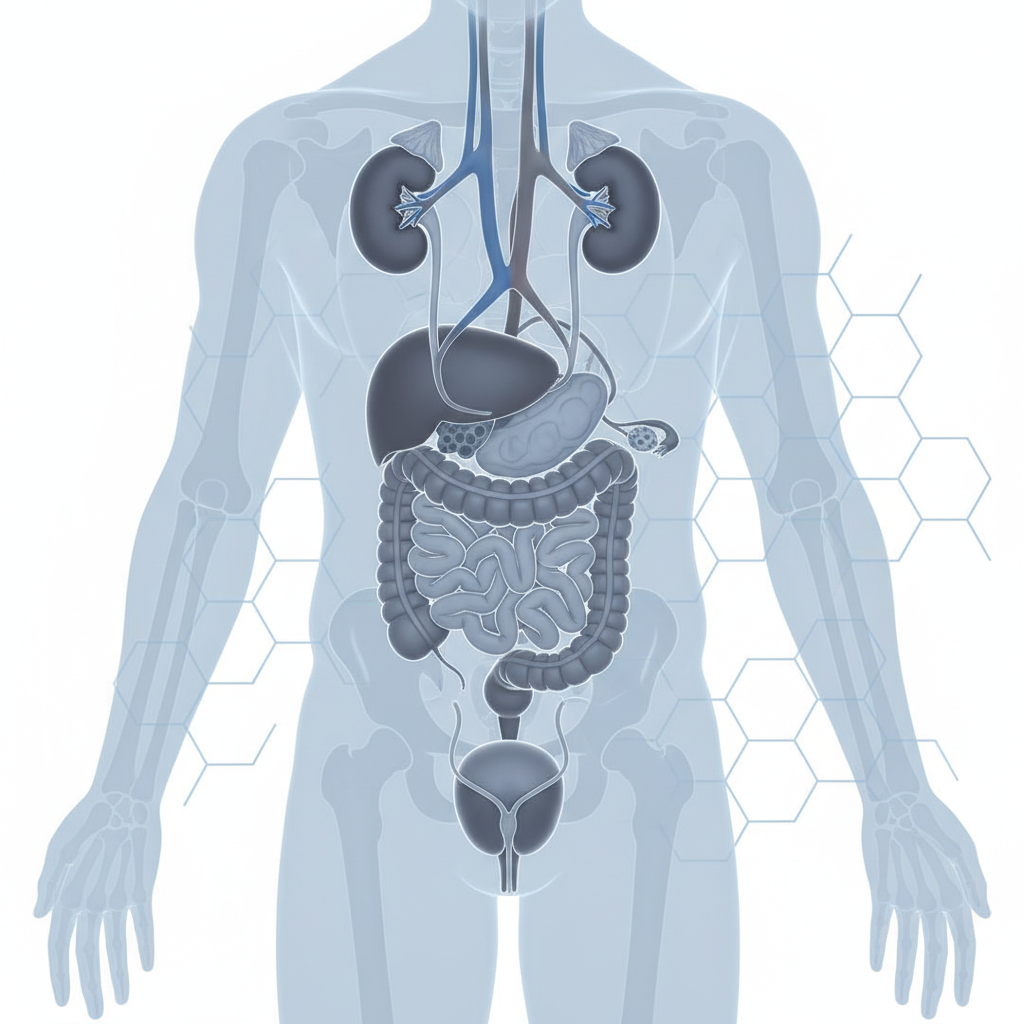
Eight signals worth reporting
Infections and stones explain most of these — but blood in urine in particular should never be explained away without a look.
- ①Blood in the urine — even once, even painless. The single most ignored warning in this region.
- ②A change in urinary frequency — going far more often than your normal.
- ③Burning or discomfort when passing urine, persisting after treatment.
- ④A lump in a testicle, firm or growing.
- ⑤A feeling of heaviness or drag in the scrotum.
- ⑥Bone pain occurring alongside urinary symptoms — mentioned together, always.
- ⑦Swelling of the legs.
- ⑧A mass noted incidentally on a scan done for something else — bring those images before any decision.
Cancers we treat in this region
◆Kidney
Partial nephrectomy wherever feasible — every functioning gram fought for.
◆Bladder
TURBT for surface tumours; radical cystectomy with reconstruction when muscle is involved.
◆Prostate
Nerve-sparing radical prostatectomy, or honest surveillance when appropriate.
◆Testis
Highly curable — orchiectomy plus RPLND pathways coordinated with chemo timing.
◆Penile
Function-and-dignity-preserving surgery planned early.
◆Adrenal
Incidentalomas assessed properly before anything is removed.
Operations performed here
- P·01Radical & partial nephrectomyKidney-unit preservation as the opening argument whenever oncologically safe.
- P·02Robotic / laparoscopic approachesSmaller cuts, faster recovery — used where they genuinely serve you.
- P·03TURBT for bladder tumoursCamera-based removal through natural passages; no cut at all.
- P·04Radical cystectomy with ileal conduit or neobladderReconstruction chosen by your hands, your lifestyle, your preference.
- P·05Nerve-sparing radical prostatectomyCure first; continence and potency protected wherever safely possible.
- P·06RPLND & orchiectomy for testis cancerCoordinated within chemotherapy protocols where indicated.
From suspicion to surveillance
Listen first
Symptoms, prior reports and old scans compared personally.
Precise diagnosis
Urine tests, imaging and biopsy routed correctly — staging before decisions.
Honest plan
Surgery vs surveillance stated plainly, including when watching IS the treatment.
Surgery
Preservation built into technique: nerve-sparing, unit-sparing, continent options.
Recovery together
Catheter care, continence exercises, fertility questions addressed early.
Life after
Scheduled reviews; kidney function tracked long-term.
Families usually ask…
Yes — most people with one healthy kidney live entirely normal lives. That's precisely why partial nephrectomy matters: keeping working tissue now protects you against whatever the next decades bring.
Both are legitimate reconstructions after bladder removal. A neobladder offers natural passage but demands training and follow-up discipline; an ileal conduit is simpler day-to-day. We lay out daily-life realities of each and decide together — no default pressure either way.
Continence and sexual function are the two honest concerns. Nerve-sparing techniques protect both wherever cancer allows; recovery timelines are given upfront, and support exists for whichever needs work afterwards.
Sperm banking is discussed before any treatment begins — it takes days, not months, and keeps options open. Many men father children naturally afterwards; those who need help have well-established pathways.
No — for selected low-risk tumours it is evidence-based medicine, with fixed review schedules and clear triggers for switching to surgery. What it must never be is vague. Ours comes with dates.