From food pipe to rectum — keyhole-first surgery that respects how you eat and live.
Digestive cancers threaten the most everyday of human pleasures: a shared meal. The goal here is complete cancer removal with the least permanent change to digestion — sphincters saved, stomas avoided, incisions kept small where science allows.
What are GI cancers?
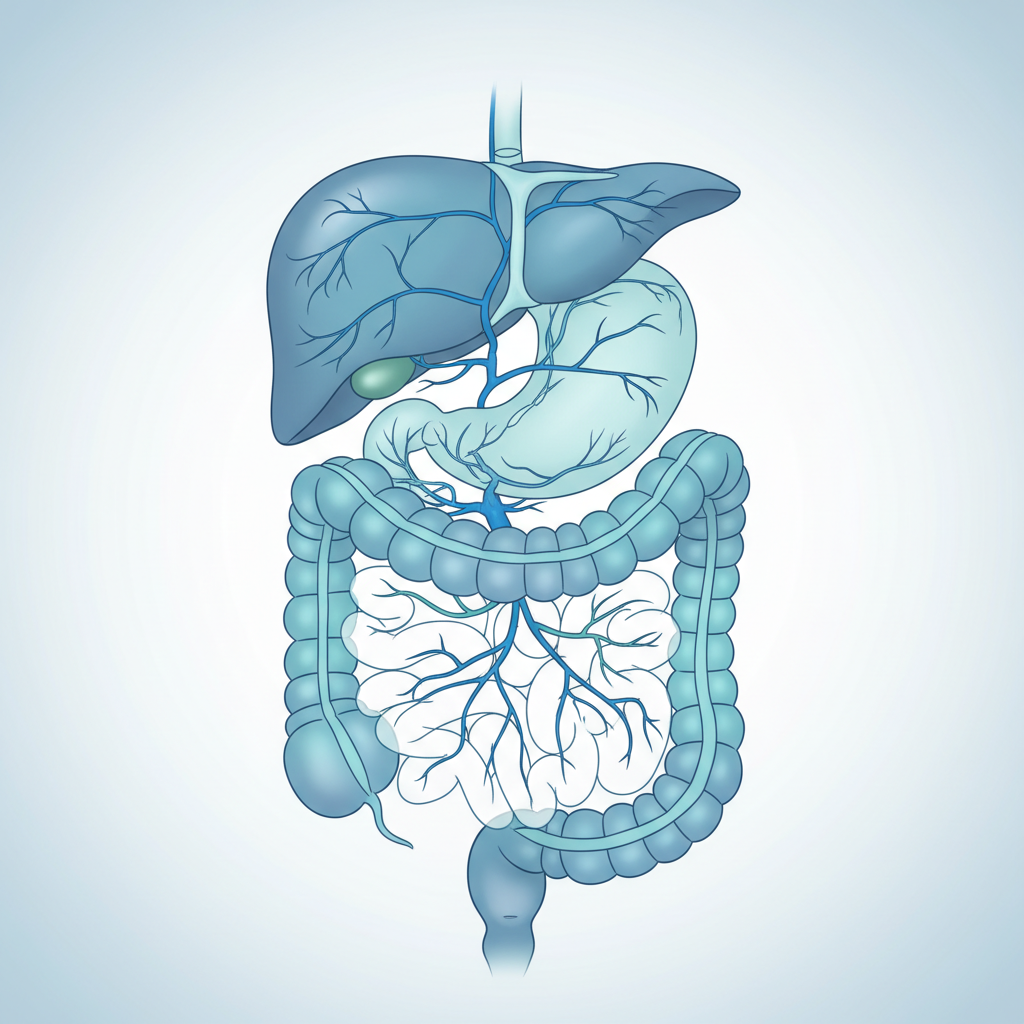
Gastrointestinal cancers arise along the digestive tract — oesophagus, stomach, colon, rectum, anal canal and small bowel — plus the peritoneal surfaces lining the abdomen. Many announce themselves quietly: a change in digestion dismissed as acidity, blood in the stool blamed on piles.
Two principles shape every plan here. First, staging before surgery — scans and endoscopy that map the disease precisely, because the right operation depends entirely on knowing what you are operating on. Second, function preservation: sphincter-saving rectal surgery, stoma avoidance wherever possible, and laparoscopic or robotic techniques when they genuinely benefit recovery.
When a stoma truly is necessary, it is discussed honestly — including which ones are temporary. Most patients who need one adapt completely within weeks; almost none regret the operation that cured them.
Warning signs that deserve a specialist’s eyes
The digestive tract whispers before it shouts. These changes — especially together — warrant proper investigation.
- ①Difficulty swallowing, food feeling stuck behind the breastbone.
- ②Persistent indigestion that doesn’t settle with routine treatment.
- ③New or repeated vomiting, especially after meals.
- ④An altered bowel habit beyond four weeks — new constipation, diarrhoea or pencil-thin stools.
- ⑤Blood in the stool or black, tarry stools.
- ⑥Unexplained weight loss without dieting or extra activity.
- ⑦Unexplained anaemia found on a routine blood test.
- ⑧A lump you can feel in the abdomen — even one that is painless.
Cancers we treat in this region
Every segment of the digestive tract — mapped by staging, treated by evidence.
◆Oesophagus
Food-pipe cancers, including those needing combined chemo-radiation before surgery.
◆Stomach
Gastric cancer operated to D2 standards — the extent of node clearance shown to improve survival.
◆Colon
Bowel cancer resected with complete mesocolic excision — the envelope technique that lowers recurrence.
◆Rectum
Sphincter-preserving low anterior resection whenever oncologically safe; APR reserved for when it is not.
◆Anal Canal
Treated in coordination with radiation and medical oncology — surgery only where it belongs.
◆Small Bowel & Peritoneum
Small-bowel tumours and peritoneal surface malignancy, including HIPEC referral pathways.
Operations performed here
- ✦OesophagectomyRemoval and reconstruction of the food pipe, planned around nutrition from day one.
- ✦Gastrectomy — subtotal & total (D2)Partial or complete stomach removal with standardised lymph-node clearance.
- ✦Colectomies with complete mesocolic excisionRight-hemi and sigmoid colectomy performed to the plane that matters for cure.
- ✦Sphincter-preserving low anterior resectionThe rectal operation designed to keep normal bowel control whenever safely possible.
- ✦APR — when requiredAbdomino-perineal excision is recommended only when the sphincter cannot be spared, never by default.
- ✦HIPEC referral pathwaysSelected peritoneal disease coordinated to dedicated HIPEC centres — honest about who benefits.
From first visit to full recovery
Endoscopy & biopsy
The diagnosis confirmed at the source, with samples taken correctly.
Staging scans
CT, MRI or PET as indicated — depth, nodes, spread known before planning.
Multidisciplinary plan
Chemotherapy or radiation before surgery when they improve outcomes first.
Surgery
Keyhole-first where suitable; open when it serves the cure better.
Recovery & nutrition
Dietitian-guided rebuilding, early mobilisation, family updated daily.
Surveillance
Scheduled scans and scopes so any recurrence is caught while still treatable.
Families usually ask…
In most rectal and colon operations today, no — sphincter preservation is the default goal and stomas are avoided wherever safely possible. When one is genuinely needed, we explain why, whether it is temporary, and teach its care thoroughly before discharge.
Smaller incisions mean less pain, fewer wound complications and faster recovery — often home in days rather than weeks. Cancer clearance is equal when done properly. It is offered on merit, not as marketing; some cases are simply safer open.
After subtotal removal most people return to near-normal eating over months; after total gastrectomy, smaller frequent meals become the pattern. A dietitian plans this with you from admission — weight and strength are protected deliberately.
Because the right operation depends on knowing depth, nodes and spread before cutting. Proper staging sometimes means chemotherapy first instead of immediate surgery — a sequence that measurably improves results in oesophageal and rectal cancers.
Recovery speed directly affects this clock — one reason keyhole techniques matter here. Most patients are fit for adjuvant therapy within four to six weeks, and our post-operative care is built to keep that window.