Curing the cancer while protecting how you live with your body.
Kidney units saved instead of removed. Continence and confidence treated as surgical goals, not lucky extras. In uro-oncology, what you keep matters as much as what is taken.
What are urological cancers?
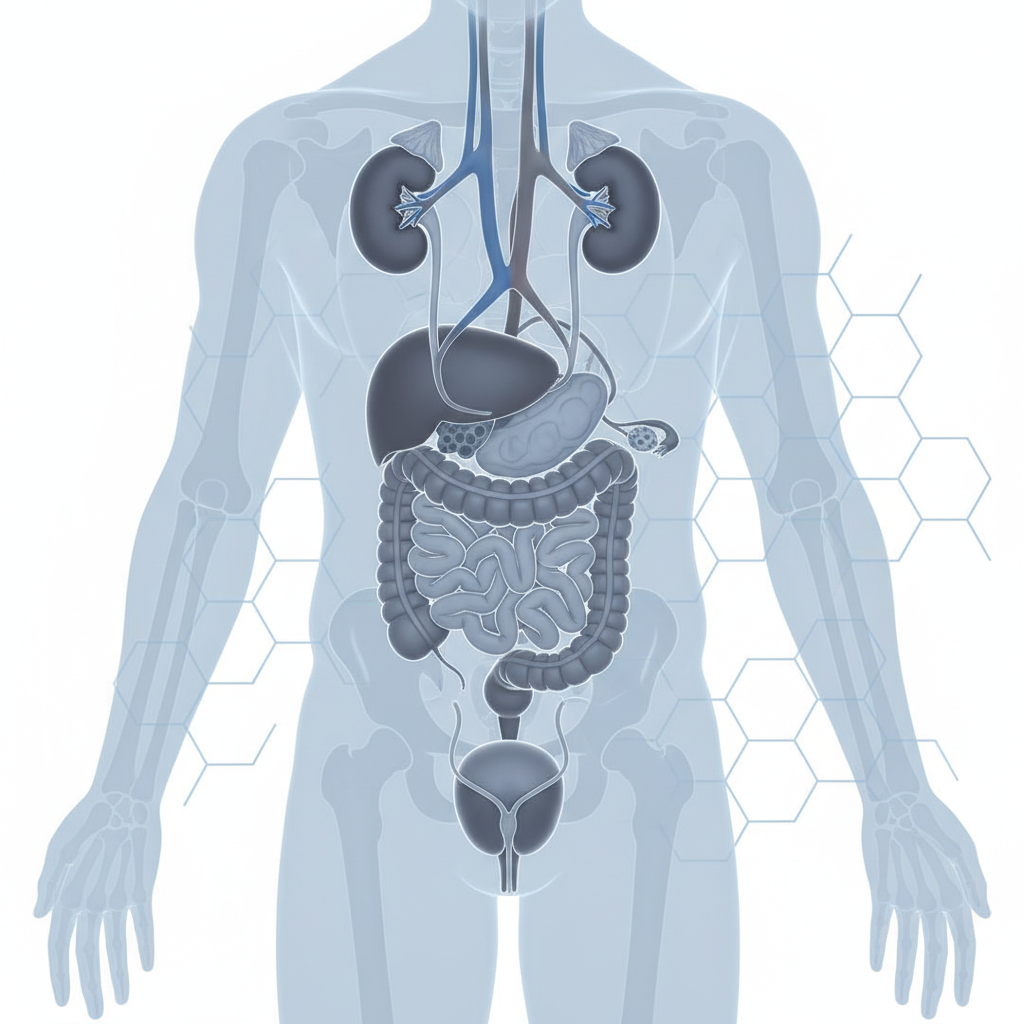
This service covers cancers of the kidney, bladder, prostate, testis, penis and adrenal gland. Each has its own personality: testicular cancer is among the most curable of all; kidney tumours are often found incidentally on scans done for something else.
The defining principle here is function preservation. A partial nephrectomy removes only the tumour and keeps the kidney working — vital for long-term health, especially when the other kidney is not perfect. Robotic and laparoscopic techniques make this precise operation routine where appropriate.
The one-time rule: blood in the urine, even once, even painlessly — especially over fifty — deserves a full work-up. Bladder cancer announces itself early precisely so it can be caught early.
And honesty runs both ways: some small kidney tumours and low-risk prostate cancers are better watched than operated. If surveillance beats surgery for you, that is exactly what will be recommended.
Eight signals that deserve examination
None of these should be waited out. Most have simple explanations — but each deserves certainty.
- ①Blood in the urine — even painless, even once, at any age.
- ②A change in urinary frequency or burning that persists beyond infection treatment.
- ③A testicular lump or feeling of heaviness — painless lumps included.
- ④Bone pain alongside urinary symptoms, particularly in the back or hips.
- ⑤Swelling of the legs without another explanation.
- ⑥A dragging ache in the lower abdomen or scrotum that doesn’t settle.
- ⑦Difficulty starting urination or a weaker stream, new and progressive.
- ⑧Any symptom persisting beyond two weeks — deserves answers, not assumptions.
Organs and services covered
☀Kidney
Radical and partial nephrectomy — removing tumours while keeping kidneys working.
☀Bladder
TURBT for early tumours through the natural passage; radical cystectomy with neobladder or conduit when required.
☀Prostate
Nerve-sparing radical prostatectomy, with surveillance offered honestly for low-risk disease.
☀Testis
RPLND and orchiectomy within protocols that cure the vast majority — fertility discussed first.
☀Penile & Adrenal
Organ-preserving surgery wherever oncologically safe, dignity throughout.
☀Robotic & Laparoscopic
FALS-trained minimally invasive approaches used selectively where they genuinely benefit.
Operations performed here
- ☀Radical & partial nephrectomyKidney preservation prioritised whenever margins allow — mostly keyhole.
- ☀TURBTBladder tumours removed through the natural passage; no cut at all.
- ☀Radical cystectomy + neobladder / ileal conduitFor muscle-invasive bladder cancer, with reconstruction tailored to your life.
- ☀Radical prostatectomy (nerve-sparing)Continence and potency pathways planned before the operation, not after.
- ☀RPLND for testis cancerRetroperitoneal lymph node dissection within curative protocols.
- ☀OrchiectomyDiagnosis and cure often begin with this small, decisive operation.
From first visit to full recovery
History & examination
Symptoms heard properly; ultrasound and urine tests arranged fast.
Scans & biopsy
CT/MRI and tissue diagnosis establish exactly what we are treating.
Tumour board plan
Medical and radiation oncology review every significant case.
Surgery
Function-preserving technique chosen for this body and this future.
Recovery & rehab
Catheter care teaching, pelvic-floor physiotherapy, staged return to activity.
Surveillance
Scheduled markers and scans; recurrences caught early remain very treatable.
Families usually ask…
Yes — most people with one healthy kidney live entirely normal lives. That is exactly why partial nephrectomy exists: keeping kidney tissue protects blood pressure and long-term health. Where partial removal is safe, it is strongly preferred.
Both are good answers to different lives. A neobladder rebuilds a reservoir from bowel so you pass urine naturally; an ileal conduit is simpler and dependable. Kidney function, dexterity, motivation and personal preference all matter — the decision is made together.
Honest answer: temporary leakage is common and improves over months with pelvic-floor training; erectile function depends heavily on nerve-sparing feasibility and your starting point. Both are planned for from day one, not discovered after.
Semen banking is offered before any treatment — a short conversation now preserves options later. Most men treated for testicular cancer go on to father children naturally.
Always — reports explained line by line, diagrams drawn, family welcome. These decisions deserve complete understanding.