Treating the cancer and honouring how you feel afterwards.
Breast surgery today is not a choice between the whole breast and nothing. Oncoplastic technique means cancer clearance and a natural appearance are planned together, from the very first incision.
What is breast cancer surgery today?
A breast cancer diagnosis arrives with fear of two things at once: the disease, and losing part of what makes you feel like yourself. Modern surgical oncology addresses both — oncoplastic technique treats the cancer and restores natural form in the same planning.
The encouraging truth: most early breast cancers are treated with breast conservation — removing the tumour with clear margins while keeping the breast. When mastectomy is genuinely the safer choice, skin-sparing and nipple-sparing options plus reconstruction coordination keep dignity in the plan.
Sentinel lymph node biopsy means the armpit is sampled with a small, targeted procedure instead of routine full clearance — dramatically less arm swelling and stiffness for the many women who don’t need it.
Every decision here is made with you, not for you: rapid pathology reports, honest talk about chemotherapy, and fertility and family-planning counselling for young women before treatment begins.
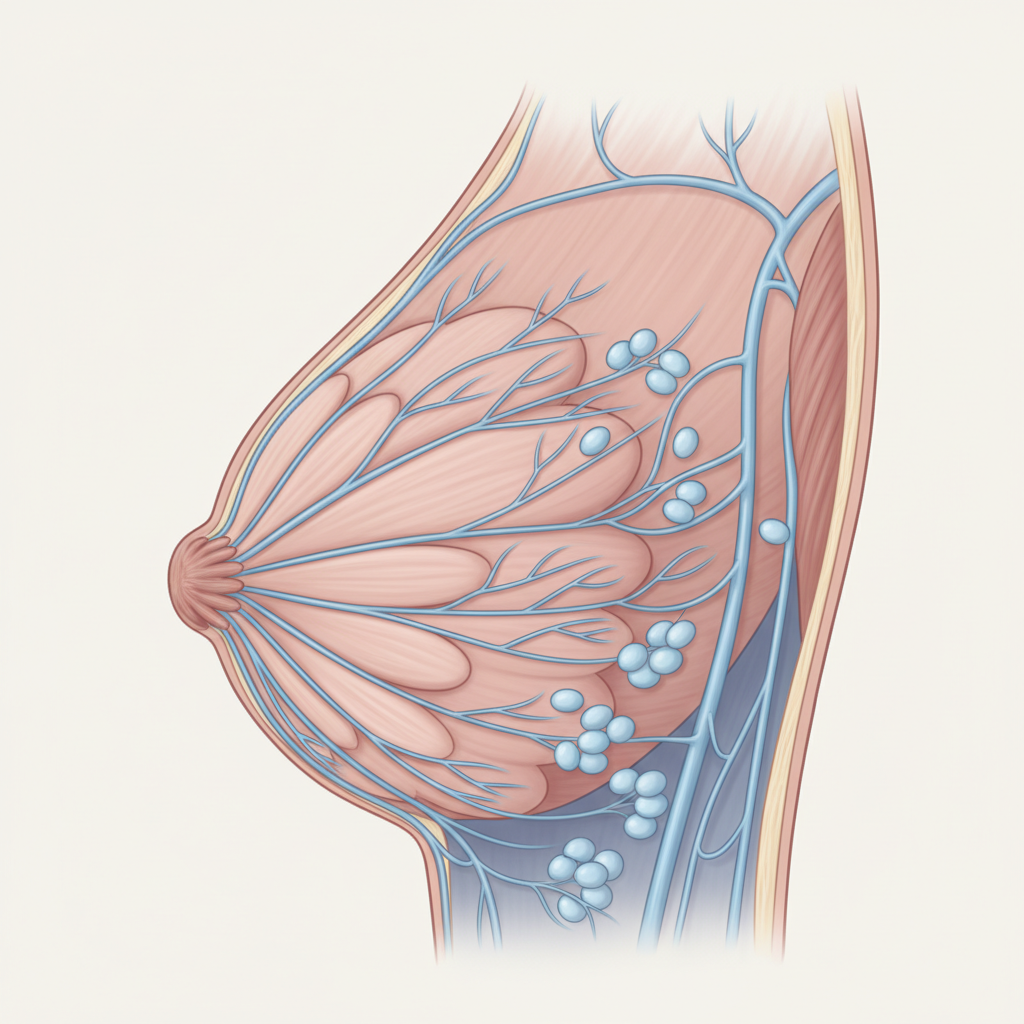
Eight signals that deserve examination
Most breast changes are benign — but every one of these deserves a specialist’s eyes, promptly and without panic.
- ①A painless lump in the breast or armpit — the ones that don’t hurt are the ones people ignore longest.
- ②Skin dimpling, like orange peel, anywhere on the breast.
- ③Nipple retraction — a nipple newly turning inward.
- ④Blood-stained nipple discharge from a single duct.
- ⑤A change in size or shape of one breast.
- ⑥New asymmetry between the two breasts that wasn’t there before.
- ⑦An axillary lump — swelling in the armpit that persists.
- ⑧Any of these lasting beyond two weeks — persistence, not pain, is the signal to act.
Everything this service covers
☀Conservation & Oncoplasty
Lumpectomy with reshaping so the breast looks natural after radiation — cancer clearance and appearance together.
☀Mastectomy Options
Simple, skin-sparing and nipple-sparing techniques chosen honestly, based on your tumour — not habit.
☀Sentinel Node Biopsy
Targeted armpit sampling that spares most women full dissection and its side effects.
☀Axillary Surgery
Axillary dissection when nodes are genuinely involved — done to modern standards.
☀Benign Breast Lumps
Assurance through proper assessment — most lumps are not cancer, and you deserve to know quickly.
☀Reconstruction Coordination
Planning with plastic surgery colleagues so reconstruction is discussed before, never after, the operation.
Operations performed here
- ☀Breast conservation surgeryLumpectomy with oncoplastic closure — wide margins, natural contour.
- ☀Mastectomy — simple to nipple-sparingChosen only when conservation cannot safely cure, with reconstruction coordinated.
- ☀Sentinel lymph node biopsyThe modern standard for staging the armpit with minimal morbidity.
- ☀Axillary dissectionComplete nodal clearance when genuinely indicated by tumour biology.
- ☀Excision of benign lumpsSmall scars, rapid pathology, same-day discharge where possible.
- ☀Oncoplastic flap rearrangementLocal tissue rearrangement so conservation doesn’t leave visible deformity.
From first visit to full recovery
Clinical examination & imaging
Mammogram and ultrasound the same week wherever possible.
Core biopsy
Diagnosis comes from tissue, not guesswork — done the right way first time.
Staging scans
Confirming the disease is only where we think it is, before planning surgery.
Tumour board plan
Medical and radiation oncology review every case — sequencing matters.
Surgery
Conservation or mastectomy with sentinel node, planned to your body.
Adjuvant care & surveillance
Chemotherapy or radiotherapy if needed, then scheduled long-term reviews.
Families usually ask…
For most early breast cancers, yes — large studies show equal survival. The choice depends on tumour size relative to breast, biology and your preference. You get an honest recommendation with reasons either way.
It depends on stage, grade and receptor status — not on which operation you have. Decisions follow pathology and tumour-board discussion, and when chemotherapy comes first it can shrink tumours and expand conservation options.
Oncoplastic technique exists precisely for this: reshaping during the cancer operation so the treated breast keeps its contour. Results vary with tumour size and location, and we show you realistic expectations before consenting.
After most conservation surgeries, one to two weeks. Mastectomy with reconstruction needs longer. Drain removal, physiotherapy and shoulder exercises are planned with you before discharge.
No conversation matters more, and it happens early. Fertility-preserving options and family-planning counselling are built into the plan for young women before treatment begins, alongside your oncology team.