From food pipe to rectum — keyhole first, with every sphincter fought for.
GI cancer surgery has one quiet measure of respect: how much of your normal life survives the operation. Sphincters preserved, stomas avoided wherever safely possible, keyhole techniques wherever they genuinely help.
What are GI cancers?
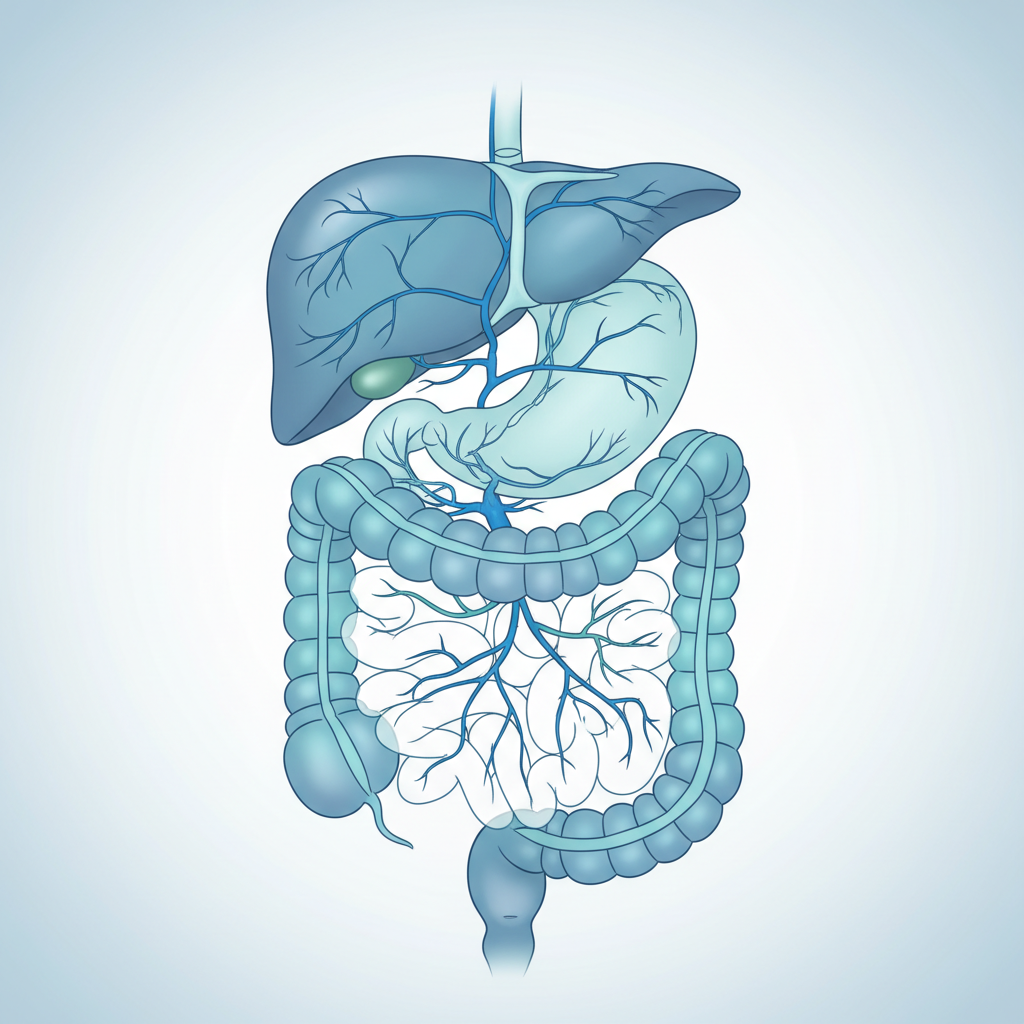
Gastrointestinal cancers arise along the digestive tract — oesophagus, stomach, colon, rectum, anal canal and small bowel — and on the peritoneal lining of the abdomen. Several are among the most treatable of all cancers when caught and staged properly.
Rectal cancer deserves special mention: modern practice combines chemotherapy and radiation before surgery to shrink the tumour, which makes sphincter-preserving surgery possible for many who would once have needed a permanent colostomy.
The four-week rule: any change in bowel habit lasting more than a month, or unexplained anaemia after fifty, deserves a proper work-up — not just antacids.
Technique here is chosen for function: laparoscopic or robotic approaches where suitable, open surgery when it is simply right — decided on evidence, discussed honestly.
Eight signals that deserve examination
Indigestion is common and usually harmless. These are the versions that deserve a specialist’s eyes.
- ①Difficulty swallowing, food feeling held up behind the breastbone.
- ②Persistent indigestion or vomiting that no longer responds to routine treatment.
- ③Altered bowel habit for more than four weeks — new constipation, diarrhoea, or thin stools.
- ④Blood in stool or black, tarry stools — never dismiss this as piles without checking.
- ⑤Unexplained weight loss without dieting or extra exercise.
- ⑥Unexplained anaemia found on blood tests — often the very first clue in gut cancers.
- ⑦An abdominal lump you can feel or see.
- ⑧Symptoms persisting beyond a month despite simple treatment — time for endoscopy, not another antacid.
Organs and services covered
☀Oesophagus
Oesophageal cancer surgery with staged multimodal treatment and honest talk about recovery.
☀Stomach
D2 gastrectomy performed to Japanese-standard lymph node clearance.
☀Colon & Rectum
Complete mesocolic excision and total mesorectal excision — the quality benchmarks of bowel surgery.
☀Anal Canal & Small Bowel
Rare tumours managed by protocol, with sphincter function always part of the discussion.
☀Peritoneal Surface
Peritoneal malignancy assessed for cytoreduction and HIPEC referral pathways.
☀Keyhole-First Approach
Laparoscopic and robotic resections where suitable — smaller cuts, faster return to normal life.
Operations performed here
- ☀OesophagectomyRemoval and reconstruction of the food pipe, planned around nutrition from day one.
- ☀Subtotal & total gastrectomyD2 lymphadenectomy as standard — extent matters in gastric cancer.
- ☀Right hemi & sigmoid colectomyComplete mesocolic excision, mostly keyhole.
- ☀Sphincter-preserving low anterior resectionThe rectal-cancer operation designed to keep normal continence whenever safe.
- ☀APR when requiredAbdomino-perineal resection done only when the sphincter truly cannot be saved.
- ☀HIPEC coordinationCytoreduction assessment and referral pathways for peritoneal disease.
From first visit to full recovery
Endoscopy & biopsy
Seeing the tumour directly; tissue diagnosis established properly.
Staging scans
CECT and MRI map depth, nodes and spread before anything else.
Tumour board plan
Chemotherapy or radiation before surgery when it improves outcomes.
Surgery
Keyhole-first resection with sphincter preservation wherever safe.
Nutrition & recovery
Dietitian-led rebuilding, early mobilisation, stoma training if needed.
Surveillance
Scheduled scopes and scans catch recurrence early, while options remain wide.
Families usually ask…
In many rectal cases, no — preoperative therapy plus sphincter-preserving technique lets most patients keep natural continence. When a temporary stoma is needed for healing, reversal is usually planned within months. A permanent stoma is recommended only when it genuinely beats the alternative.
Smaller incisions mean less pain, fewer wound infections, shorter hospital stays and quicker return to chemotherapy if needed. The cancer operation inside is the same quality either way — the approach serves your recovery.
Most patients eat smaller, more frequent meals and live fully normal lives. A dietitian plans your recovery from admission, not discharge — weight maintenance is part of the treatment, not an afterthought.
Because the right operation depends entirely on what the tumour has actually done — its depth, its nodes, its spread. Operating before staging is like sailing before reading the sky. A few days spent staging properly changes everything downstream.
Always — reports explained line by line, diagrams included, family welcome. You should leave understanding your own disease better than when you walked in.