Curing the cancer quietly — preserving how you live loudly.
Urological cancer is personal medicine: kidney units saved when they can be, continence and confidence protected wherever possible, and honest advice about when simply watching is genuinely the wisest treatment.
What does urological cancer cover?
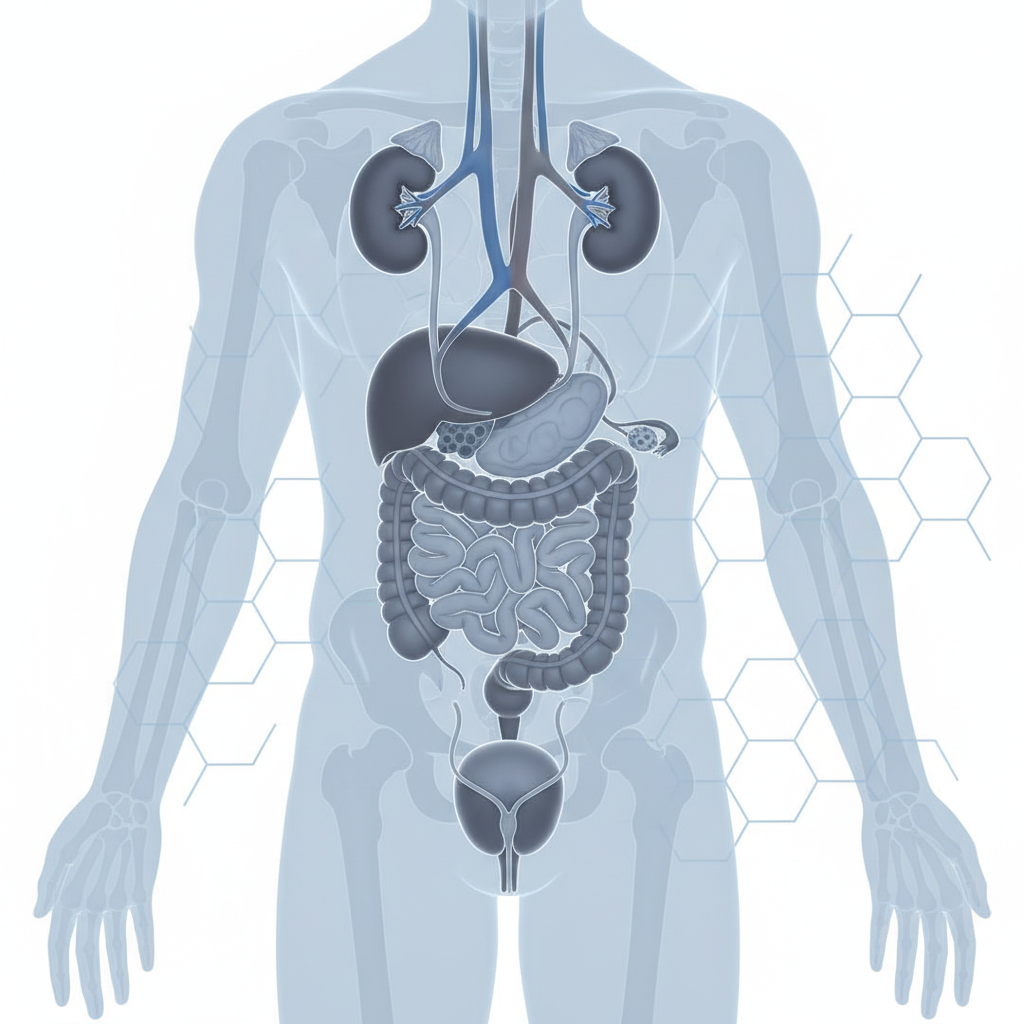
Kidney, bladder, prostate, testis, penis and adrenal glands. These organs run some of life’s quietest functions — until something changes, and suddenly everything feels urgent and embarrassing at once.
It needn’t be either. Modern uro-oncology has one defining theme: sparing what serves you. Partial nephrectomy saves kidney units. Nerve-sparing prostatectomy protects continence. Surveillance protocols spare men treatment that would never have helped them anyway.
The honesty rule: not every finding needs an operation. When watching is genuinely the better medicine, we say so — with a follow-up plan precise enough to trust.
Warning signs men most often ignore
Blood in urine is never "just something I ate". These signals are quick to check and easy to treat early.
- ①Blood in the urine — even once, even completely painless. Always worth investigating.
- ②New change in urinary frequency — going far more often than your usual.
- ③Burning or stinging while passing urine that doesn’t settle like a normal infection.
- ④A testicular lump — firm, painless, noticed in the shower.
- ⑤Heaviness or dragging sensation in the scrotum that is new.
- ⑥Bone pain — back or hips — appearing together with any urinary symptom.
- ⑦Swelling of the legs without an obvious cause.
- ⑧Any of these past fifty — checked within weeks, not months. It costs little; waiting can cost much.
Organs we operate on
◆Kidney
Tumours removed with partial nephrectomy wherever units of healthy kidney can be saved.
◆Bladder
From keyhole tumour resection to full reconstruction — staged honestly by depth of disease.
◆Prostate
Nerve-sparing surgery focused on curing cancer while protecting continence and function.
◆Testis
Among oncology’s great success stories — handled with fertility-aware precision.
◆Penile
Treated early with tissue-preserving techniques; treated late it asks for far more.
◆Adrenal
Functional and non-functional masses assessed properly before anyone operates.
Operations performed here
- ◆Radical & partial nephrectomyRobotic and laparoscopic approaches — saving kidney units whenever margins allow.
- ◆TURBT for bladder tumoursRemoved through natural passages — no external cuts at all.
- ◆Radical cystectomyWith ileal conduit or neobladder — the choice explained with pictures, made by you.
- ◆Nerve-sparing prostatectomyContinence and potency pathways protected as core surgical goals.
- ◆RPLND for testis cancerNode clearance performed to template, timed with chemotherapy correctly.
- ◆OrchiectomyWith prosthesis options discussed openly beforehand — dignity included in the plan.
From first visit to full recovery
Imaging review
CT urogram and MRI interpreted personally, line by line.
Tissue diagnosis
Biopsy or scoping confirms what treatment must address.
Tumour board review
Radiation and medical oncology shape the sequence together.
Surgery
Organ-sparing wherever safe; complete where necessary.
Recovery support
Pelvic physiotherapy and catheter care explained day by day.
Surveillance
Scan and marker schedules set before discharge.
Men usually ask…
Yes — which is exactly why partial nephrectomy exists. One healthy kidney handles daily life comfortably; protecting its function becomes the long-term project, monitored with simple blood tests and blood pressure control.
Neither is universally better — it depends on your tumour, kidney function and preference. Both are explained fully, including honest day-to-day realities of each, so the choice stays yours.
Temporary leakage and changed sexual function are common early on; nerve-sparing technique and structured pelvic physiotherapy exist precisely to shorten both chapters. You get realistic timelines before consenting — not reassurance, numbers.
Sperm banking is discussed before any treatment begins. Most men retain or recover fertility, especially when treatment is planned around it from the start — another reason to come early rather than late.
Not always. Many small renal masses grow slowly enough that surveillance is genuinely safe. We size up the evidence honestly — and if watching is right for you, we watch with a schedule, not a shrug.