Cancer surgery from food pipe to rectum — keyhole first, dignity always.
GI surgery is where technique shows in everyday life: whether you eat normally, whether your bowel works, whether a bag is permanent or never needed at all. Every plan here starts from that end of the story.
What does GI cancer surgery cover?
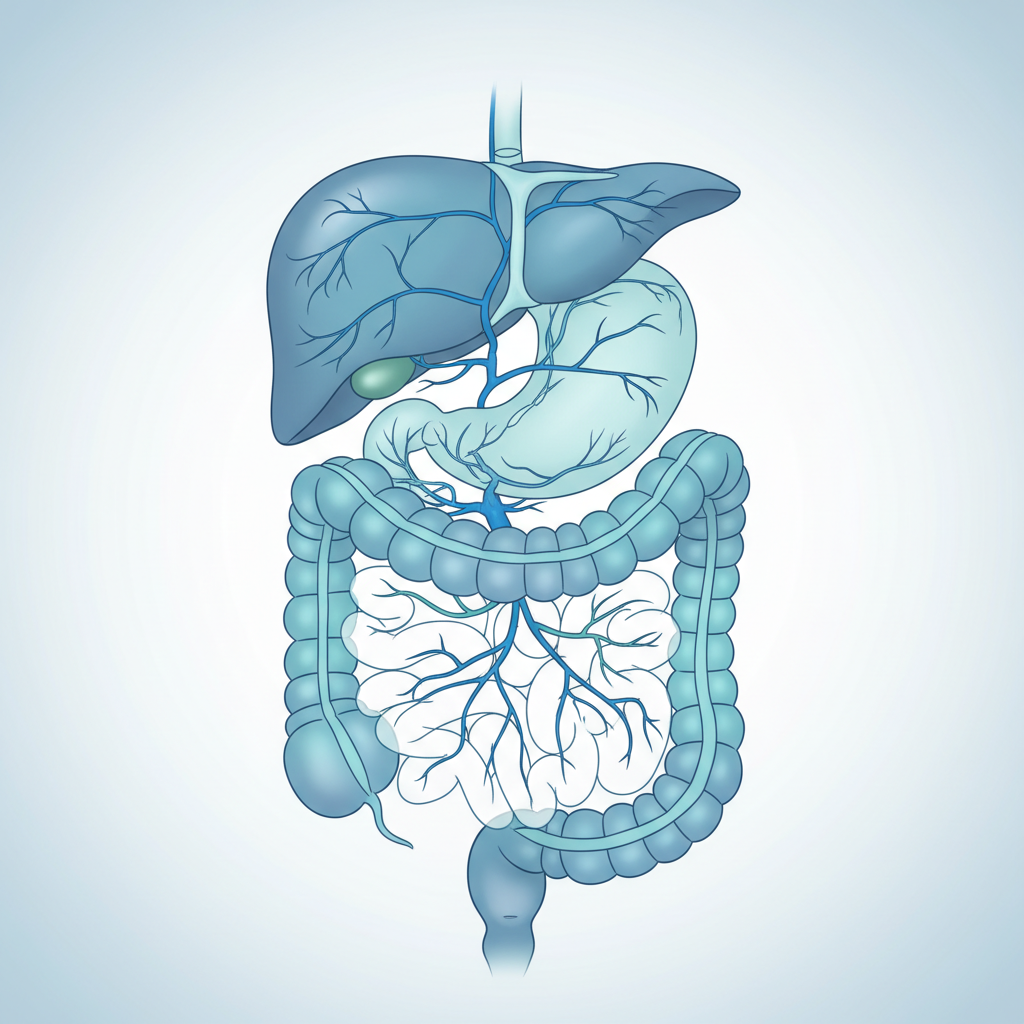
The entire digestive tract: oesophagus, stomach, colon, rectum, anal canal and small bowel, plus peritoneal surface malignancy. Each organ has its own anatomy, its own operation — and its own definition of a good result.
The encouraging truth: most of these cancers are beaten by one well-planned operation plus the right surrounding therapy. The plan matters as much as the knife — which is why every case passes staging scans and a tumour board before consent.
The quiet revolution: laparoscopic and robotic techniques now handle most of these operations through small cuts — less pain, faster recovery, quicker return to chemotherapy when it’s needed.
Warning signs that deserve an endoscope, not excuses
Digestive symptoms are easy to blame on food. These are the ones that deserve a proper look.
- ①Difficulty swallowing, or food feeling like it "sticks" on the way down.
- ②Persistent indigestion that doesn’t settle with routine treatment.
- ③Recurrent vomiting, especially with weight loss.
- ④Altered bowel habit lasting more than four weeks — new constipation or looseness.
- ⑤Blood in stool or black stools — never normal, always worth investigating.
- ⑥Unexplained weight loss without dieting or exercise change.
- ⑦Unexplained anaemia found on routine blood tests.
- ⑧An abdominal lump you can feel or see.
Organs we operate on
◆Oesophagus
Food-pipe cancers requiring oesophagectomy with careful reconstruction planning.
◆Stomach
Gastric cancer surgery performed to the D2 standard — completeness measured, not claimed.
◆Colon
Hemicolectomies with complete mesocolic excision — the detail that drives survival curves.
◆Rectum
Sphincter-preserving low anterior resections; stoma avoided wherever safely possible.
◆Anal Canal & Small Bowel
Coordinated with radiation and medical oncology where combination therapy serves better.
◆Peritoneal Surface
Structured HIPEC referral pathways for peritoneal disease assessed honestly.
Operations performed here
- ◆OesophagectomyFood-pipe removal with reconstruction, staged properly around nutrition and fitness.
- ◆Subtotal & total gastrectomyD2 lymphadenectomy as standard — the oncological quality marker for stomach cancer.
- ◆Hemicolectomy & sigmoid colectomyWith complete mesocolic excision — plane by plane, specimen photographed.
- ◆Sphincter-preserving rectal surgeryLow anterior resection for rectal cancer; APR reserved for when it’s genuinely required.
- ◆Laparoscopic & robotic approachesSmall cuts, magnified vision — used where they help you, chosen case by case.
- ◆HIPEC referral pathwaysPeritoneal disease assessed honestly and routed to the right specialised centre.
From first visit to full recovery
Endoscopy & biopsy
The tumour seen directly; tissue diagnosis established the right way.
Staging scans
CT/PET maps depth and spread — decisions made on facts, not guesses.
Tumour board plan
Chemo or radiation before surgery when evidence says so.
Surgery
Keyhole-first, standards-compliant, planned around your future.
Nutrition & recovery
Dietitian-guided feeding plans begin immediately — eating well is therapy.
Surveillance
Scope-and-scan schedule set before you leave hospital.
Families usually ask…
In most cases, no — sphincter-preserving surgery is the default aim for rectal cancer whenever margins allow. Where a temporary or permanent stoma is truly needed, it is explained honestly, with pictures, before you decide anything.
Smaller cuts mean less pain, fewer wound complications, shorter hospital stay and a quicker return to chemotherapy when needed — while the cancer operation itself follows the same radical standards.
Eating changes but doesn’t end. A dietitian builds a staged plan — small frequent meals first — and follow-up keeps adjusting it. Most patients return to comfortable, enjoyable eating.
Because the right operation depends entirely on how deep the tumour goes and whether nodes are involved. Operating without complete staging risks either too little surgery or unnecessary surgery — staging protects you from both.
Sometimes yes — and we will say so plainly. But operability assessments vary with training and experience, and second opinions regularly revise them. Bring the scans; the review costs you nothing but time.