Kidneys spared. Continence kept. Confidence intact.
Urological cancers sit where medicine touches privacy — how you pass urine, how you feel as a man or a woman, what your future holds. Surgery here is measured in three currencies at once: cure, function and dignity.
What are urological cancers?
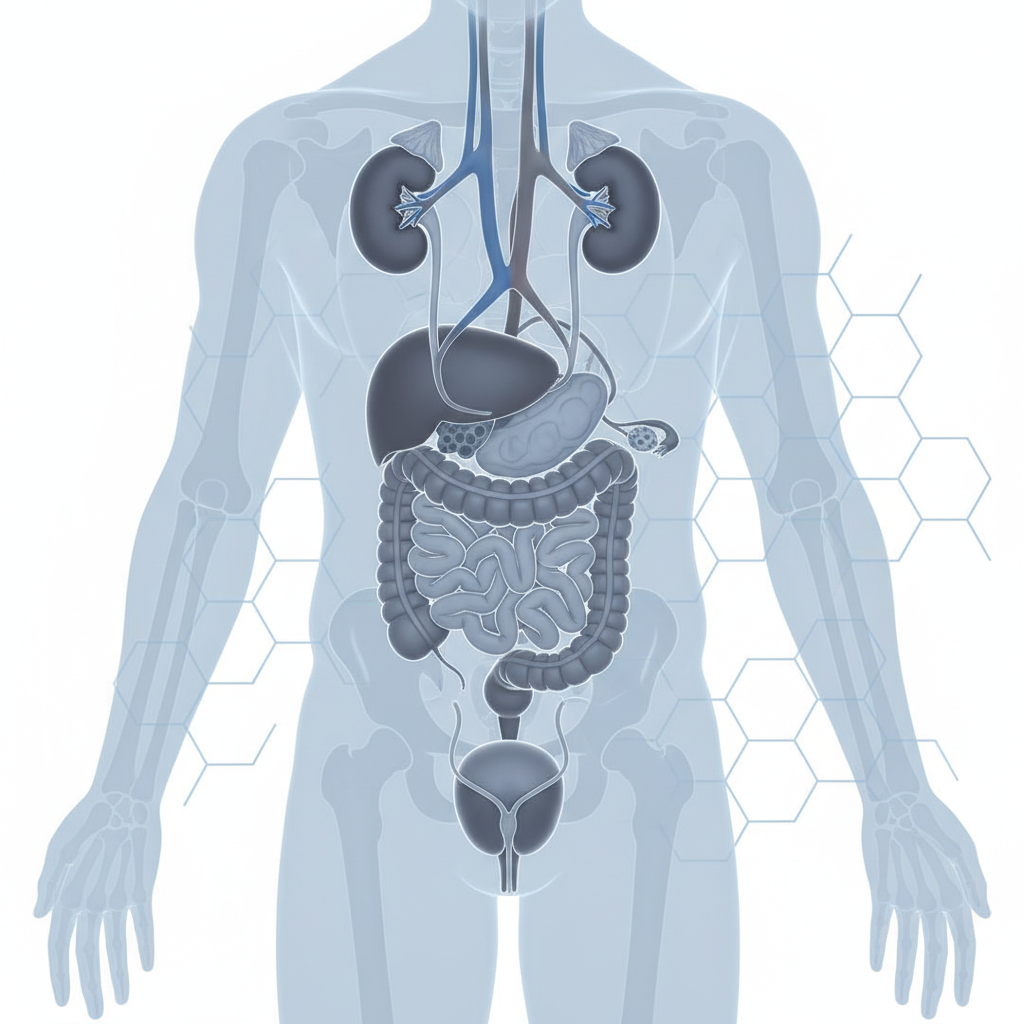
This series covers the kidneys, bladder, prostate, testis, penis and adrenal glands — the plumbing and chemistry of the body, where surgical choices echo through daily life for decades afterwards.
The questions patients whisper here are real ones: Will I need a bag? Will my body work again? Can I still father children? Good surgery answers them with technique — kidney-unit preservation so one healthy kidney carries a normal life, nerve-sparing so continence and potency have defenders in the operating theatre.
And sometimes the most skilled decision is patience: for suitable low-risk disease, active surveillance with honest monitoring beats rushing to the table. You'll always be told when waiting is genuinely safe.
Eight signals below the belt nobody should ignore
Embarrassment delays more diagnoses than distance does. These signs deserve a clinic, not silence.
- ①Blood in the urine — even once, even painless. This is the single non-negotiable sign; it must be investigated, never waited on.
- ②A change in urinary frequency — going far more often than your lifelong norm.
- ③Burning while passing urine that persists, despite treatment or without infection.
- ④A testicular lump or feeling of heaviness — painless ones included; young men especially must not wait these out.
- ⑤Bone pain alongside urinary symptoms, particularly in the back or hips.
- ⑥Swelling of the legs, new and unexplained by injury or travel.
- ⑦A symptom that appeared once and vanished — intermittent doesn't mean imaginary; report it anyway.
- ⑧Symptoms blamed on "just the prostate" for months deserve one proper examination to be sure of the label.
Organs this series covers
▸Kidney
Radical and partial nephrectomy — preserving every functioning unit possible.
▸Bladder
TURBT for early tumours through to radical cystectomy with urinary reconstruction.
▸Prostate
Radical prostatectomy with nerve-sparing wherever safely possible.
▸Testis
RPLND and related surgery — one of oncology's great cure stories when treated right.
▸Penis
Treated early and properly, function and appearance can often be preserved.
▸Adrenal
Adrenal masses removed laparoscopically where appropriate.
Operations performed here
- ▸Radical & partial nephrectomyKidney preservation is the default ambition — tumour out, working tissue kept.
- ▸TURBT for bladder tumoursCamera-based removal through natural passages — no external cut for many bladder cancers.
- ▸Radical cystectomy with reconstructionIleal conduit or neobladder — discussed honestly against your life, not a leaflet.
- ▸Nerve-sparing radical prostatectomyContinence and potency given their best chance without compromising cancer control.
- ▸RPLND for testis cancerRetroperitoneal lymph node dissection performed to modern templates.
- ▸Orchiectomy & robotic/laparoscopic approachesMinimally invasive routes used wherever they genuinely serve recovery.
From first visit to full recovery
Imaging & examination
CT/MRI and clinical assessment map the problem precisely.
Biopsy & markers
Tissue diagnosis and blood markers before irreversible steps.
Honest plan
Surgery now, surveillance, or treatment first — each stated with reasons.
Surgery
Function-preserving technique mapped before cuts are made.
Rehabilitation
Continence and potency recovery actively supported, not left to luck.
Surveillance
Markers and scans on schedule — including honest monitoring when no surgery was needed.
Families usually ask…
Yes — a single healthy kidney typically carries a completely normal life. That fact is exactly why partial nephrectomy exists: whenever the tumour allows it, we remove the tumour rather than the whole organ.
Neither is universally better. A neobladder offers passage closer to natural but demands training and follow-up commitment; an ileal conduit is simpler and very reliable. The honest answer depends on your tumour extent, kidney function, fitness and preference — all weighed together.
Continence and sexual function are the two big concerns, and both depend partly on surgical technique. Nerve-sparing approaches exist to protect them — with realistic timelines discussed beforehand, because recovery is gradual, not instant.
Often yes — and fertility preservation is discussed BEFORE any chemotherapy or radiation begins. Testicular cancer is among the most curable of all cancers; planning for the life after treatment starts at diagnosis.
For certain small tumours in elderly or unwell patients, active surveillance is genuine, evidence-based medicine — not neglect. The key is honesty both ways: clear criteria for watching, and clear triggers for when surgery becomes right.