From food pipe to rectum — keyhole-first, dignity always.
GI cancers attack the most basic routines of life: eating, digesting, living without fear of the toilet. This series is fought with two fixed principles — minimally invasive wherever suitable, and stomas avoided wherever honestly possible.
What are gastrointestinal cancers?
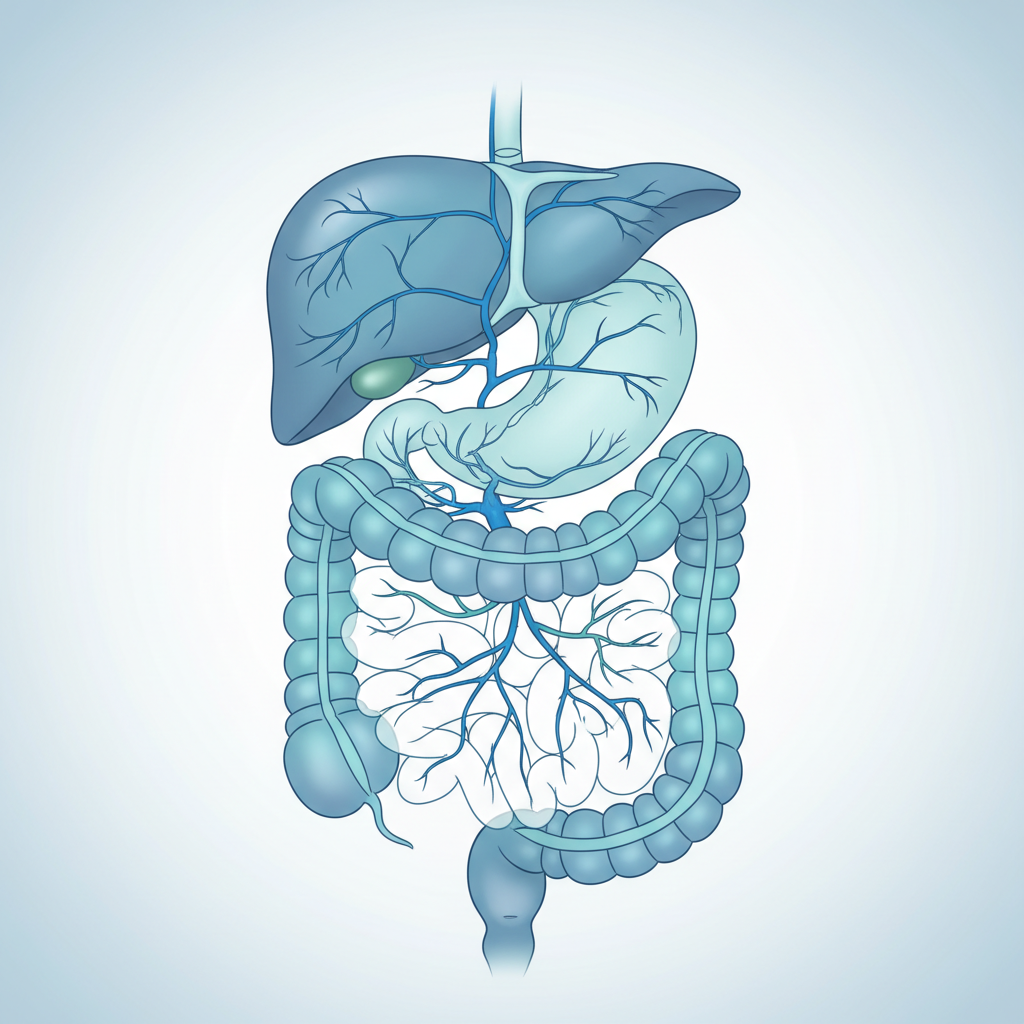
This series covers the entire digestive tract: oesophagus, stomach, colon, rectum, anal canal and small bowel, plus peritoneal surface malignancy — cancer that spreads along the lining of the abdominal cavity.
Symptoms here are famously easy to dismiss as "acidity" or "piles", which is why so many arrive late. The encouraging part: when staging is done properly first, even advanced disease often has more options than patients were told elsewhere.
Two commitments define this practice: sphincter preservation — keeping normal bowel passage wherever oncologically safe — and laparoscopic or robotic surgery wherever it genuinely benefits recovery rather than decorating a brochure.
Eight signals worth an endoscope's attention
Individually each can be innocent. Persistent, combined or unexplained — they deserve investigation, not another round of antacids.
- ①Difficulty swallowing — food feeling stuck on the way down.
- ②Persistent indigestion that doesn't settle despite routine treatment.
- ③Recurrent vomiting, especially soon after meals.
- ④Altered bowel habit for over four weeks — new constipation, new looseness, anything persistent.
- ⑤Blood in stool, or black tarry stools — never something to self-diagnose as piles alone.
- ⑥Unexplained weight loss without dieting or extra exercise.
- ⑦Unexplained anaemia discovered on blood tests — often the gut whispering before it speaks.
- ⑧A lump you can feel in the abdomen, however painless.
Organs this series covers
▸Oesophagus
Food-pipe cancers, including trans-thoracic and trans-hiatal approaches chosen per patient.
▸Stomach
Gastric cancers operated with D2 lymphadenectomy standards.
▸Colon
Right hemicolectomy and sigmoid colectomy with complete mesocolic excision.
▸Rectum
Sphincter-preserving low anterior resections; APR only when truly required.
▸Anal Canal
Tumours managed within coordinated multidisciplinary pathways.
▸Small Bowel & Peritoneum
Including HIPEC referral pathways for peritoneal surface malignancy.
Operations performed here
- ▸OesophagectomyRemoval and reconstruction of the food pipe, planned around your fitness and stage.
- ▸Subtotal / total gastrectomy (D2)Standard lymph-node clearance performed for stomach cancer.
- ▸Hemicolectomies with complete mesocolic excisionRight-sided and sigmoid colon resections done to quality benchmarks that influence survival.
- ▸Sphincter-preserving low anterior resectionThe default ambition for rectal cancer — keeping natural bowel passage whenever safely possible.
- ▸APR when requiredDone honestly — and only when sphincter preservation cannot cure.
- ▸Laparoscopic & robotic approachesSmaller cuts, faster recovery — used where evidence says they serve you, plus HIPEC referral pathways.
From first visit to full recovery
Endoscopy & biopsy
The tumour is seen and sampled correctly at the very start.
Staging scans
CT/MRI map depth and spread before any decision is made.
Multidisciplinary plan
Chemotherapy or radiation may come first — sequencing matters enormously in GI cancers.
Surgery
Keyhole where suitable, open where necessary — decided by evidence, not convenience.
Recovery & nutrition
Eating well again is treated as part of the cure, not an optional extra.
Surveillance
Scheduled scans and scopes catch recurrence early, while options remain wide.
Families usually ask…
Most patients don't. Sphincter-preserving rectal surgery is the default here, and stomas — when temporarily needed — are often reversible. When a permanent stoma genuinely offers the safer cure, you'll hear that plainly, with the reasons.
Smaller cuts mean less pain, fewer wound complications and quicker return to normal life and further treatment. The cancer operation itself follows the same radical principles as open surgery — the difference is the road to recovery.
Small frequent meals replace large ones, and a dietitian stays involved through recovery. Most patients return to enjoyable eating — differently portioned, not joylessly.
Because the right operation depends entirely on depth and spread. Operating blind leads to under-treatment or unnecessary mutilation. Proper staging is the difference between a plan and a gamble.
Absolutely — share reports on WhatsApp or email and they'll be reviewed personally. Sometimes the honest advice is "your current plan is right," and we'll say exactly that.