Cancer surgery from food pipe to rectum — planned around how you'll live afterwards.
Digestive cancers respond to precision: the right operation for the right stage, done keyhole-first where suitable, with sphincters and normal bowel function preserved wherever oncology safely allows.
What are GI cancers?
They arise along the digestive tract — oesophagus, stomach, colon, rectum, anal canal and small bowel — or on its peritoneal lining. Their early signals are easy to blame on ordinary acidity or ageing, which is exactly why so many arrive late.
The encouraging part: surgery for these cancers has become both more thorough and less invasive. Standardised lymph-node clearance raises cure rates while laparoscopic and robotic approaches shrink the toll of recovery.
Proper staging first is non-negotiable here — scans and endoscopy decide the operation, never the other way round.
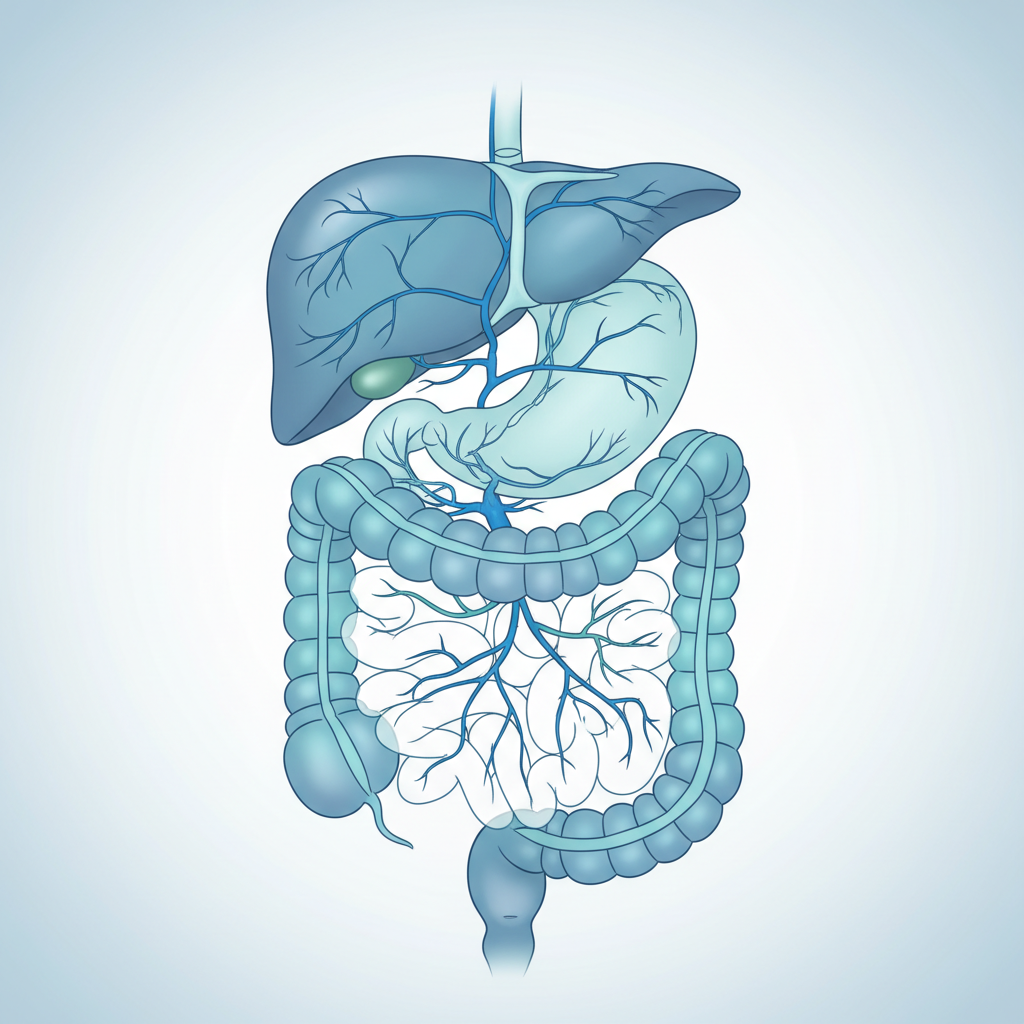
Eight signs that deserve investigation
Individually these often have innocent explanations. Persistent ones — or several together — warrant a proper look rather than another course of antacids.
- ①Difficulty swallowing, food feeling held up behind the chest bone.
- ②Persistent indigestion that no longer responds to routine treatment.
- ③Repeated vomiting, especially after every meal.
- ④An altered bowel habit lasting over four weeks — new constipation, looseness, or narrowing of stool.
- ⑤Blood in the stool, or black tarry stools.
- ⑥Unexplained weight loss without dieting or new exercise.
- ⑦Unexplained anaemia found on a routine blood test.
- ⑧A lump in the abdomen that you or a doctor can feel.
Organs treated along the tract
◆Oesophagus
Food-pipe cancers approached with staged plans combining surgery and other treatment.
◆Stomach
Gastric cancer surgery with standardised D2 lymph-node clearance.
◆Colon
Hemicolectomies performed with complete mesocolic excision for better outcomes.
◆Rectum
Sphincter-preserving low anterior resections — avoiding a permanent stoma wherever safe.
◆Anal Canal & Small Bowel
Treated within combined-modality pathways with radiation and medical colleagues.
◆Peritoneal Surface Malignancy
Managed through structured HIPEC referral pathways with specialist centres.
Operations performed here
- ◆OesophagectomyRemoval of the food pipe with reconstruction, planned around nutrition and staging.
- ◆Subtotal & total gastrectomyD2 lymphadenectomy performed as standard, not as an exception.
- ◆Hemicolectomies & sigmoid colectomyRight-sided and left-sided colon resections with complete mesocolic excision.
- ◆Sphincter-preserving low anterior resectionThe default aim for rectal cancer — normal route preserved whenever oncology allows.
- ◆APR when requiredDone only when the tumour's position truly demands it, explained honestly beforehand.
- ◆Laparoscopic & robotic approachesChosen where evidence supports them — smaller cuts, gentler recovery, equal radicality.
From first visit to full recovery
Endoscopy & examination
The tumour located and biopsied through the right route first time.
Staging scans
CT/MRI map depth and spread — the operation follows the facts.
Tumour board plan
Radiation or chemotherapy before surgery when it improves the odds.
Surgery
Radical clearance, keyhole-first, organs and openings preserved where safe.
Nutrition-led recovery
Dietitian-guided return to eating, especially after gastric or oesophageal work.
Surveillance
Scope-and-scan schedule agreed before discharge — nothing left vague.
Families usually ask…
In many rectal and colon cases, no — sphincter-preserving resection avoids a permanent stoma wherever oncology allows it. When an APR truly is safer, we say why plainly, and temporary stomas are reversed later whenever possible.
Same cancer clearance, smaller cuts — meaning less pain, fewer wound complications and a faster return to normal life and to chemotherapy when that's needed next. It is chosen case by case, never automatically.
Smaller, more frequent meals at first, guided by a dietitian who stays involved through recovery. Most patients settle into a comfortable rhythm — this is planned from day one, not figured out afterwards.
Because the right operation depends entirely on how deep the tumour goes and whether nodes are involved. Operating on incomplete staging can mean undertreating — or treating harder than necessary. We stage properly first, always.
Yes — share your reports and scans. Sometimes the answer will be "your current plan is right", and we'll tell you exactly that. A good plan survives scrutiny.