Removing the cancer while saving the kidney, the continence, the confidence.
Urological cancer surgery is preservation surgery wherever safe: kidney units saved with partial nephrectomy, nerves spared in prostate surgery, bladders rebuilt when they must go. Honesty about surveillance included.
What is urological cancer surgery?
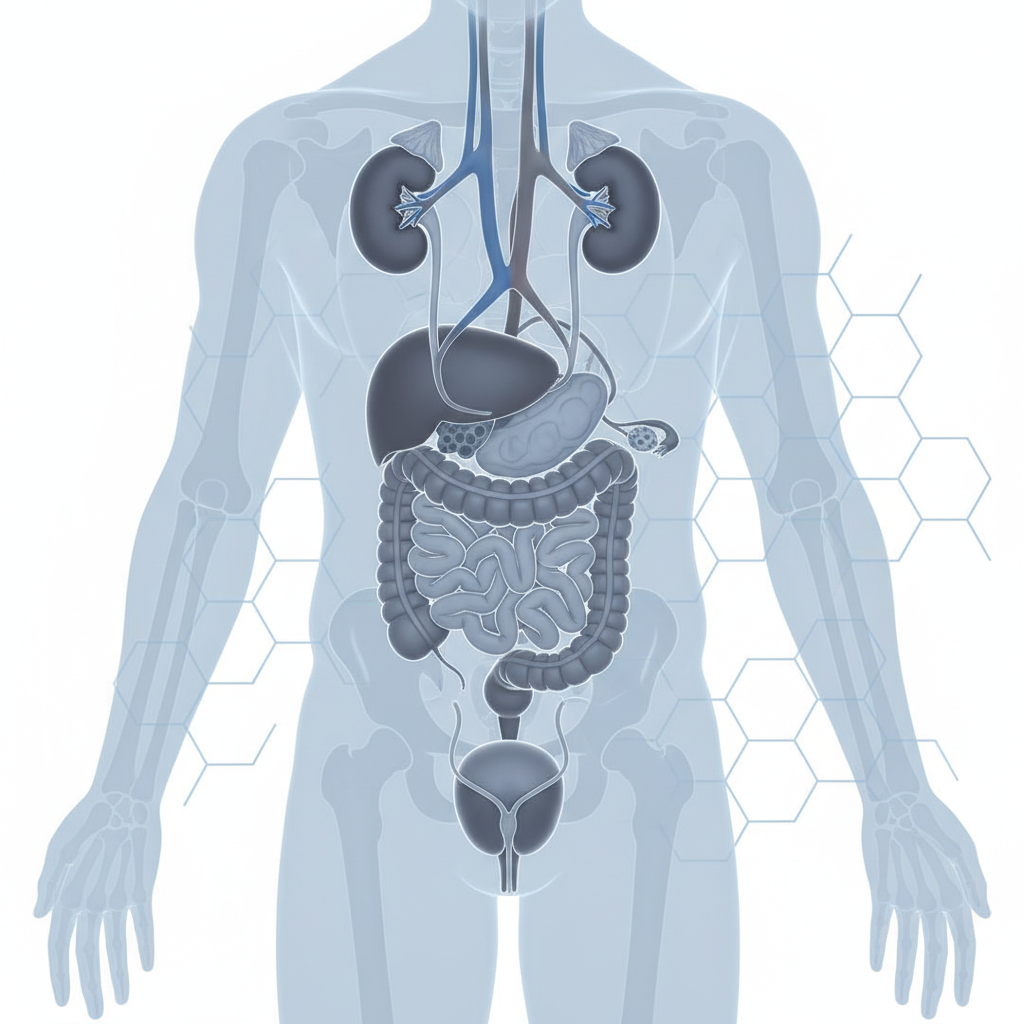
This field covers the kidneys, bladder, prostate, testes and adrenal glands. Two truths shape every decision here.
First: every gram of kidney matters. Where tumour size and position allow, partial nephrectomy removes only the tumour and keeps the rest of that kidney working for life — especially important for diabetics and blood-pressure patients.
Second: not every small kidney tumour needs urgent surgery. Some slow-growing masses deserve monitoring first. Telling you honestly when a watch-and-scan approach is safe is part of this service, not an omission.
“Testicular cancer caught today is one of medicine’s great cures — please don’t sit on a lump.”
Warning signs that deserve a specialist’s eyes
The single most ignored sign in India sits at number one — because it never hurts.
- ①Blood in the urine — even once, even painless. This always needs investigation.
- ②Change in urinary frequency — suddenly going far more, or far less.
- ③Burning or difficulty passing urine, new and persistent without infection proof.
- ④A lump in the testicle — firm, painless lumps are the classic presentation.
- ⑤Heaviness in the scrotum or a dull ache that stays.
- ⑥Bone pain alongside urinary symptoms — back or hip pain that doesn’t behave like ordinary strain.
- ⑦Swelling of both legs developing without obvious cause.
- ⑧Symptoms that keep returning despite routine treatment — get imaged properly once.
Cancers we treat in this region
◆Kidney
Radical and partial nephrectomy — units preserved wherever oncologically safe.
◆Bladder
TURBT for early tumours through the water channel; cystectomy with reconstruction for muscle-invasive disease.
◆Prostate
Nerve-sparing radical prostatectomy — continence and potency protected by technique, not luck.
◆Testis
Orchiectomy and RPLND — one of oncology’s highest-cure diseases when treated on protocol.
◆Adrenal
Functional and malignant adrenal masses, laparoscopic where anatomy allows.
◆Penile Cancer
Function-preserving resections with nodal staging done on time.
Operations performed here
- ◆Radical & partial nephrectomyKidney-unit preservation planned around vessel anatomy and tumour complexity scores.
- ◆Robotic / laparoscopic approachesSmaller cuts, faster recovery — selected where they genuinely serve the patient.
- ◆TURBTBladder tumours removed through the natural channel; repeat-cycle protocols done properly.
- ◆Radical cystectomy + ileal conduit or neobladderReconstruction chosen WITH you, not FOR you — both lives explained honestly.
- ◆RPLND for testis cancerRetroperitoneal node dissection on protocol, preserving ejaculation where possible.
- ◆Nerve-sparing prostatectomy & orchiectomyTechnique decided by anatomy and risk — discussed before consent, not discovered after.
From first visit to full recovery
Imaging & biopsy
CT urogram, MRI prostate or ultrasound — the right test for the right organ.
Precise staging
Bone scan or PSMA/PET when indicated; no assumptions.
Treatment board
Radiation vs surgery vs active surveillance compared openly where all are valid.
Surgery
Minimally invasive where suitable; reconstruction completed in the same sitting.
Catheter & continence rehab
Stoma training or pelvic-floor physio begins before discharge.
Lifelong surveillance
PSA/scans/scopes scheduled — survivors stay patients here.
Families usually ask…
Yes — most people with one healthy kidney live entirely normal lives. This is precisely why partial nephrectomy matters: we fight to keep kidney tissue now so your future self has reserve, especially if diabetes or BP enter the picture later.
Both are good answers to different lives. A neobladder means passing urine more naturally but demands training and night-time patience; an ileal conduit (bag) is simpler and very reliable. We walk through real daily routines of each before you decide.
The honest ones are temporary urinary leakage (usually improving over months with physio) and changes in erections — nerve-sparing technique protects function wherever cancer allows it. You will hear exact personal odds before consenting, not afterwards.
Not usually. Many men father children naturally after treatment; sperm banking is offered before chemo anyway. RPLND techniques preserve ejaculation pathways where disease extent allows. Cure rates exceed 95% — plan the family, then beat the cancer.
Yes. Painless visible haematuria is the textbook first sign of bladder cancer — and the most commonly dismissed one. One proper workup (scan + camera) either finds something early or buys you genuine peace of mind.