From food pipe to rectum — keyhole-first, sphincters saved wherever safe.
GI cancer surgery is a discipline of millimetres and margins: the right operation, the right sequence, and a strong preference for laparoscopic and robotic approaches where they genuinely help.
What is GI cancer surgery?
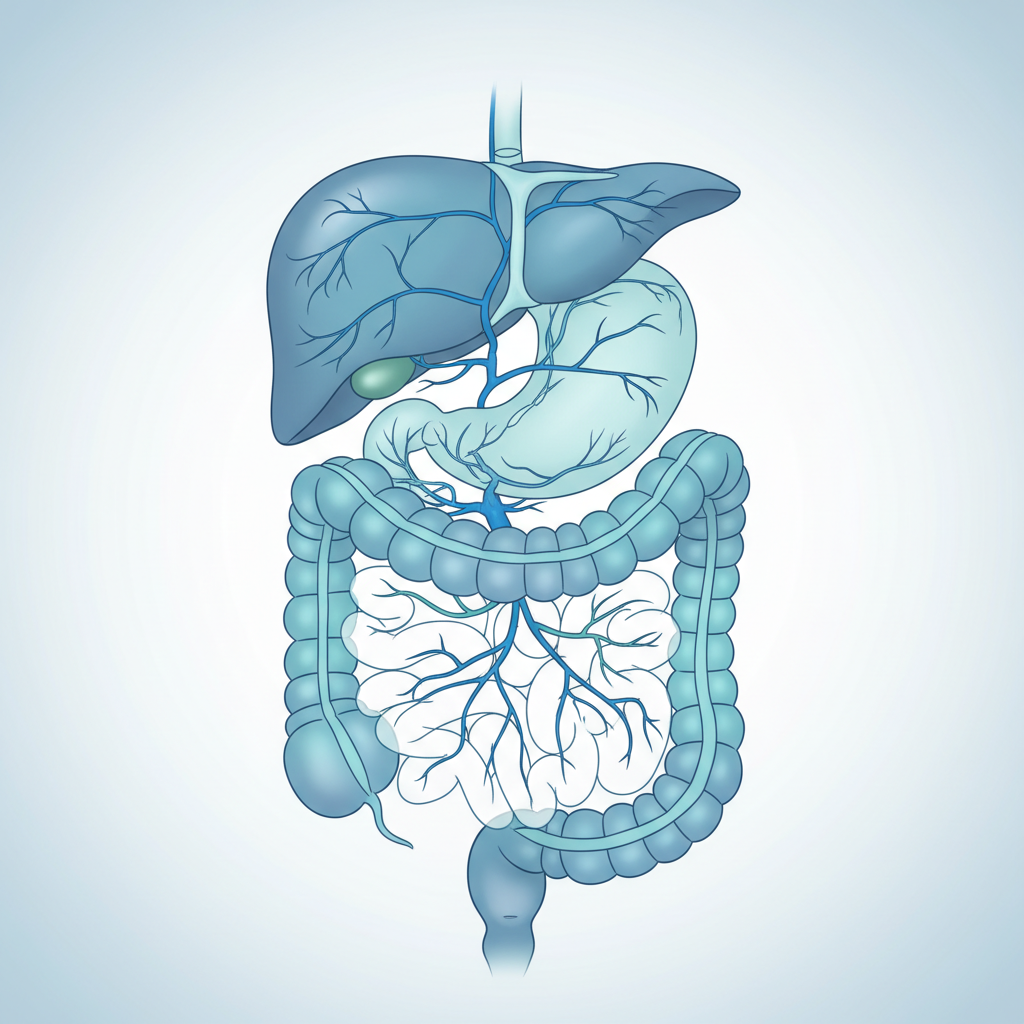
The gastrointestinal tract — oesophagus, stomach, colon, rectum — is where cancer surgery has been most transformed by minimally invasive technique. What once needed long incisions is now routinely done keyhole, with faster recovery and equal cure rates.
The stakes here are quality of life as much as survival: whether you eat normally, whether a stoma bag can be avoided, whether treatment fits around your life instead of replacing it.
The non-negotiable: proper staging first. The right plan for a locally confined cancer is entirely different from one that has spread — and only good scans and biopsies tell them apart.
“A stoma avoided is a life preserved. We fight for it wherever it is safe to.”
Warning signs that deserve a specialist’s eyes
Digestive complaints are common — cancer is not. These are the ones that should never be brushed aside without a proper look.
- ①Difficulty swallowing — food feeling stuck, worse with solids then liquids.
- ②Persistent indigestion that doesn’t settle with routine treatment.
- ③Persistent vomiting, or vomiting with blood.
- ④Altered bowel habit beyond four weeks — new constipation, diarrhoea or thin stools.
- ⑤Blood in stool or black stools — never assume it’s just piles without examination.
- ⑥Unexplained weight loss — kilos down without dieting.
- ⑦Unexplained anaemia found on blood tests — often the silent first sign.
- ⑧A lump in the abdomen, felt or seen, even without pain.
Cancers we treat along the GI tract
◆Oesophagus
Food-pipe cancers with multimodal planning — chemo-radiation and surgery in the right sequence.
◆Stomach
Gastric cancer with D2 lymphadenectomy as standard — the operation done properly matters.
◆Colon & Rectum
Complete mesocolic excision and total mesorectal excision — oncologically sound, functionally kind.
◆Anal Canal
Coordinated chemoradiation-first care with salvage surgery reserved appropriately.
◆Small Bowel
Rare tumours, rare expertise — neuroendocrine and adenocarcinoma of the small intestine.
◆Peritoneal Surface Malignancy
Cytoreductive strategy with HIPEC referral pathways where evidence supports it.
Operations performed here
- ◆OesophagectomyThree-hole or trans-hiatal as suited — with feeding plans fixed before surgery.
- ◆Gastrectomy — subtotal & totalD2 lymph node clearance as the oncological standard.
- ◆ColectomiesRight hemicolectomy and sigmoid colectomy with complete mesocolic excision.
- ◆Sphincter-preserving low anterior resectionThe rectal-cancer operation designed around keeping normal bowel control.
- ◆APR — when requiredHonest about when the sphincter truly cannot be saved, and what life looks like after.
- ◆HIPEC referral pathwaysSelected peritoneal disease coordinated to high-volume centres.
From first visit to full recovery
Endoscopy & biopsy
The tumour seen directly; histology established properly.
Staging scans
CT, MRI rectum or PET as indicated — spread mapped before decisions.
Tumour board sequencing
Chemotherapy or radiation first when it improves outcomes — not ego surgery.
Surgery
Laparoscopic or robotic where suitable; open when it is simply better.
Enhanced recovery
Early feeding, early walking, structured nutrition support.
Surveillance
Scope and scan schedule set in writing at discharge.
Families usually ask…
In many rectal and colon cancers today — no. Sphincter-preserving surgery is achievable in a large share of cases when staging is accurate and neoadjuvant therapy is used well. When a stoma IS necessary, we say so honestly and train you thoroughly before discharge.
Smaller cuts mean less pain, fewer wound infections, earlier bowel recovery and shorter hospital stays — with equal cancer outcomes in experienced hands. Where keyhole isn’t right, open surgery remains the gold standard, and we will say which applies to you.
Total gastrectomy patients adapt remarkably: small frequent meals, vitamin B12 supplements, and dietitian-guided progression. Most return to enjoying normal food socially within months.
Because the best operation depends entirely on stage. Operating first on a cancer that needed chemotherapy first can cost the patient their best chance. Staging decides the order — and order decides outcomes.
Please do. Serious surgeons respect second opinions — sometimes our advice confirms your current plan, and saying so honestly is also part of the service.