Saving kidneys, continence and confidence — while the cancer loses.
Urological cancers sit where medicine meets a man’s or woman’s most private life — how the body cleans itself, holds itself, and shares intimacy. Surgery here removes tumours thoroughly while protecting everything that makes daily life feel normal: kidney units, urinary control, sexual function.
What are urological cancers?
This speciality covers the kidneys, bladder, prostate, testis, penis and adrenal glands. Their warning signs overlap with everyday complaints — burning urination, frequency, aching backs — which is why one symptom deserves special respect: blood in the urine, even once, even painless, is never dismissed here.
Kidney cancer taught modern surgery an important lesson: you don’t always need to remove the whole organ. Partial nephrectomy takes the tumour and leaves the healthy kidney working — vital for people with one kidney, diabetes, or decades of life ahead. Wherever the tumour allows it, kidney preservation is pursued deliberately.
For bladder and prostate disease, robotic and laparoscopic approaches bring smaller cuts, less blood loss and faster recovery. When the bladder must be removed, the conversation about ileal conduit versus neobladder happens before surgery — with honest pros and cons, not a default handed down.
And sometimes the bravest recommendation is patience: certain small prostate and kidney cancers can be safely watched with active surveillance, avoiding treatment whose side effects outweigh its benefit. Saying “let’s watch” — and meaning it — is part of honest oncology.
“The measure of success here is not only the scan — it is how you live five years later.”
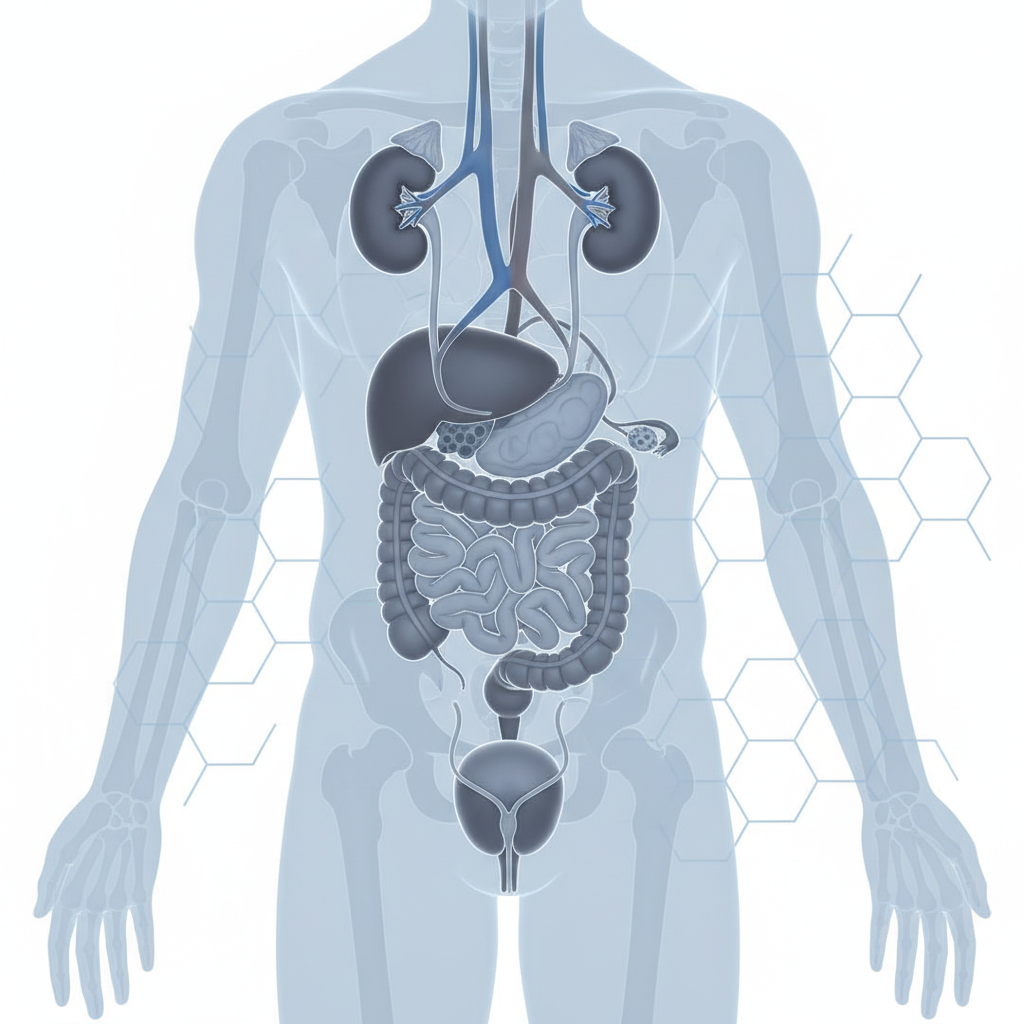
Signals that deserve a specialist’s eyes
Most of these symptoms come from benign causes — infections, stones, prostates behaving their age. But each deserves one proper look so nothing important slips past.
- ①Blood in the urine — even once, even painless, even if it disappeared.
- ②New urinary frequency or urgency — going often, or suddenly needing to.
- ③Burning or discomfort while passing urine, persisting after infection is treated.
- ④A testicular lump — firm, painless lumps matter most.
- ⑤A feeling of heaviness or dragging ache in the scrotum that stays.
- ⑥Bone pain — especially back or hips — occurring alongside urinary symptoms.
- ⑦Swelling of the legs without heart or other explanation.
- ⑧An adrenal lump found incidentally on a scan done for something else — usually silent, always worth review.
Organs we treat
◆Kidney
Tumours removed with partial nephrectomy wherever feasible — the organ kept working.
◆Bladder
From keyhole tumour shaving to radical cystectomy with continent reconstruction options.
◆Prostate
Nerve-sparing radical prostatectomy — or honest surveillance when watching wins.
◆Testis
Among the most curable cancers — staged precisely, treated decisively, fertility protected.
◆Penis
Tissue-preserving surgery planned early, because delay costs more than disease does.
◆Adrenal
Incidentally found masses assessed properly — operated only when they truly warrant it.
Operations performed here
- ◆Radical & partial nephrectomyThe whole kidney or just the tumour — decided by anatomy and function, always favouring preservation when safe.
- ◆TURBT for bladder tumoursTumours removed through the natural passage with a resectoscope — no external cut at all.
- ◆Radical cystectomy — ileal conduit or neobladderComplete bladder removal with your choice of urinary reconstruction discussed openly beforehand.
- ◆Nerve-sparing radical prostatectomyContinence and potency pathways identified and preserved whenever oncologically safe.
- ◆RPLND & orchiectomy for testis cancerPrecise node clearance behind the abdomen using techniques that protect ejaculation where possible.
- ◆Robotic & laparoscopic approachesFALS-trained — smaller cuts, less blood loss, quicker return home, recommended where they genuinely serve you.
From first visit to full recovery
Urine tests & imaging
Blood in urine worked up completely — scan, scope, and answers, never dismissal.
Biopsy & staging
Each organ diagnosed the right way — markers for testis, imaging for kidney, biopsy where indicated.
Honest options talk
Surgery, surveillance, or both laid side by side — with what each means for daily life spelled out.
Precision surgery
Organ and nerve preservation prioritised; minimally invasive routes chosen where they help.
Recovery & rehab
Pelvic-floor training and catheter care taught kindly; questions about intimacy welcomed early.
Surveillance
A personalised schedule of PSA, scans and markers keeps watch quietly for years.
Families usually ask…
Yes — a single healthy kidney sustains a completely normal life for most people. That fact drives our effort toward partial nephrectomy: keeping kidney tissue matters for the decades ahead. Routine monitoring follows any kidney surgery, simply and painlessly.
Both are legitimate, well-established options. A neobladder stores urine internally; a conduit is simpler and dependable. Kidney function, fitness, dexterity and lifestyle all influence the answer. You’ll get honest pros and cons for each — the choice stays yours, made before surgery day.
Temporary urinary leakage is common and improves over months with pelvic-floor rehabilitation; most men regain control. Sexual function depends heavily on whether nerves can be spared and on baseline function — we discuss both candidly before you decide, never after.
Often fertility survives — one healthy testis can do the work of two. Sperm banking is offered routinely before any treatment as insurance. Modern nerve-sparing RPLND techniques also protect ejaculation wherever oncologically safe. Testicular cancer remains one of the most curable cancers we treat.
Yes. Painless blood in urine, even a single episode that vanished, deserves a complete workup. Most causes turn out benign — infections, stones — but the check exists precisely so the serious minority isn’t missed. One visit buys certainty either way.