Removing the cancer completely — while helping you stay you.
A breast diagnosis arrives with a thousand questions, most of them asked at 2 am. Surgery here carries two duties at once: clear every cancer cell, and honour the body you live in. With oncoplastic technique, you rarely have to choose between the two.
What is breast cancer?
Breast cancer begins when cells in the breast start growing beyond the body’s rules. It is frightening — and it is also one of the most treatable cancers we know. Caught early, many women are cured while keeping their own breast, with surgery followed by treatments that lower the chance of return.
The heart of modern breast surgery is the oncoplastic approach: cancer clearance and natural appearance planned together, in the same operation. Removing the tumour with adequate margin, then reshaping what remains — so the result looks like healing, not subtraction.
Not every lump is cancer. Many are benign and need only careful assessment — sometimes nothing more. And when cancer is confirmed, rapid pathology reports mean decisions are made with full information, not guesswork.
For younger women, fertility and family-planning counselling is woven into the treatment timeline from the very first consultation — because life after cancer includes the life you were planning.
“The goal is simple: years from now, in the mirror, you should see yourself — not the surgery.”
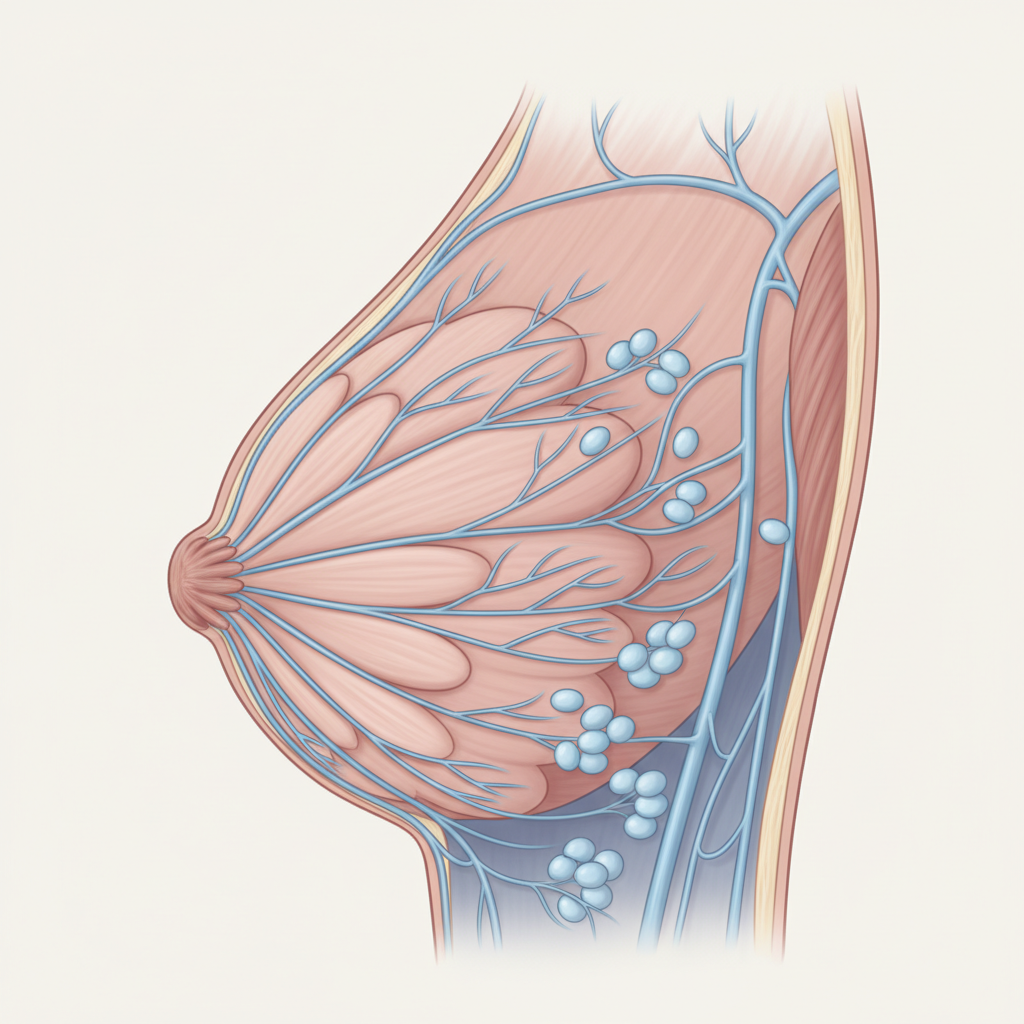
Breast changes that deserve a specialist’s eyes
Most breast changes are not cancer. But every change deserves a proper look — five minutes of examination replaces months of worry.
- ①A painless lump in the breast — the ones that don’t hurt are the ones ignored longest.
- ②Skin dimpling or an “orange peel” texture on the surface of the breast.
- ③A nipple turning inward — retraction that is new, not lifelong.
- ④Blood-stained discharge from the nipple, without squeezing.
- ⑤A change in the size of one breast, different from your usual.
- ⑥A change in shape or contour — visible only in the mirror, often.
- ⑦New asymmetry between the breasts that wasn’t there before.
- ⑧A lump in the armpit — where the lymph nodes live.
What this speciality covers
◆Early Breast Cancer
Conservation surgery wherever safe — the tumour leaves, the breast stays.
◆Locally Advanced Cancer
Treatment sequenced so chemotherapy first can shrink tumours and open doors.
◆Benign Breast Lumps
Proper assessment and calm answers — many lumps need far less than feared.
◆Sentinel Node & Axillary Surgery
The smallest necessary node surgery, respecting arm health for decades ahead.
◆Reconstruction Coordination
Planned with reconstructive colleagues — immediate or delayed, your choice informed.
◆Young Women’s Care
Fertility and family-planning counselling built into the treatment calendar.
Operations performed here
- ◆Breast conservation surgery (lumpectomy + oncoplasty)The tumour is removed with clear margins; the cavity is closed and reshaped with plastic-surgical technique so form survives.
- ◆Mastectomy — simple, skin-sparing & nipple-sparingOffered for the right reasons, never by reflex — with reconstruction discussed before the date is set.
- ◆Sentinel lymph node biopsyThe first few key nodes are checked; when they’re clear, the armpit is spared entirely.
- ◆Axillary dissectionWhen nodes are involved, thorough clearance performed with care for nerves that move the arm.
- ◆Benign lump excisionSmall incisions, placed discreetly — for lumps that need removal but not sacrifice.
- ◆Reconstruction coordinationImmediate or delayed reconstruction planned alongside reconstructive colleagues, before — not after — your operation.
From first visit to full recovery
Examination & imaging
Mammogram and ultrasound read personally; biopsy arranged without delay.
Pathology & staging
Hormone receptors and true extent established — decisions wait for facts.
Tumour board plan
Medical and radiation oncology weigh in; chemotherapy first when it can shrink the tumour toward conservation.
Surgery
Conservation or mastectomy with oncoplastic closure — chosen for your body and your future.
Recovery & arm care
Physiotherapy begins early; drains, dressings and exercises explained in plain words.
Surveillance
Regular reviews and imaging catch anything early, while it is still easy.
Families usually ask…
For early breast cancer, yes — long-term research shows survival is equal when the tumour can be removed with clear margins. Conservation usually adds radiation afterward; mastectomy sometimes lets it be skipped. Both are legitimate. You’ll get the honest trade-offs for your specific tumour, not a default answer.
Depends on the stage, receptor status and node findings — decided by final pathology and a tumour board, never by habit. Some early cancers are cured by surgery alone. Others benefit from chemotherapy first, which can shrink the tumour enough to allow conservation where mastectomy seemed inevitable.
Oncoplastic technique exists precisely for this question. By reshaping the breast as the tumour leaves — and matching the other side where needed — most women look naturally themselves in clothing and out of it. Reconstruction options extend this further when mastectomy is required.
Desk work is often possible within two to three weeks after conservation surgery; mastectomy and reconstruction need longer. You’ll receive a written, realistic recovery timeline before consenting — not vague optimism.
Often, yes. Fertility and family-planning counselling happens before chemotherapy begins, when options like egg or embryo preservation are still available. Treatment timing is planned around the family you want, not despite it.