Curing the cancer while protecting the way you eat, digest and live.
Cancers of the food pipe, stomach and bowel touch the most ordinary parts of life — meals, mornings, dignity. Surgery here fights on two fronts: remove the tumour completely, and spare you everything that need not be lost — especially a permanent bag.
What are GI cancers?
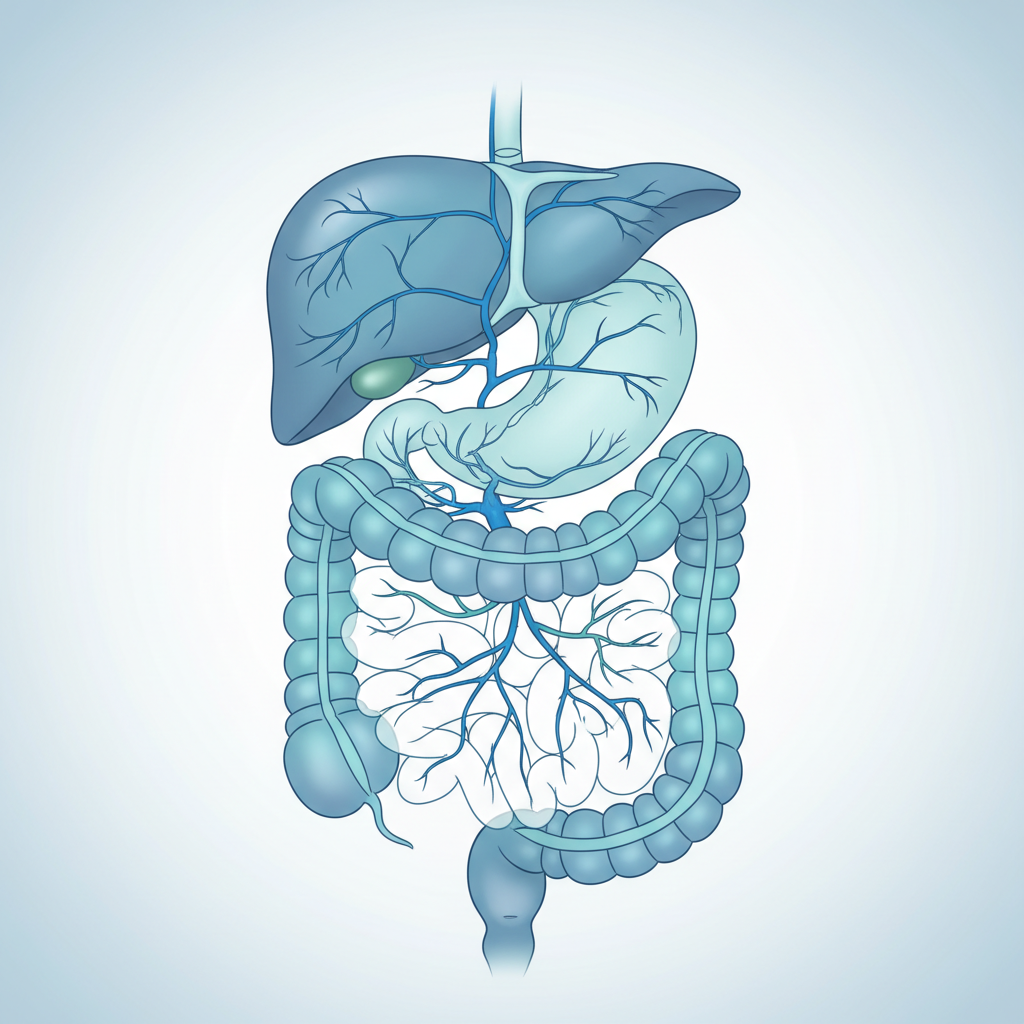
Gastrointestinal cancers arise along the digestive tract — the oesophagus (food pipe), stomach, small bowel, colon, rectum and anal canal — and on the peritoneal surfaces lining the abdomen. The early signals are easy to blame on acidity or age: indigestion that won’t settle, a bowel habit that quietly changed, blood where it shouldn’t be.
The single most important step is proper staging before any decision. Scans and endoscopy establish how deep the tumour reaches and whether it has spread. The right operation for the wrong stage is still the wrong operation — staging protects you from both under-treatment and unnecessary surgery.
Wherever suitable, laparoscopic and robotic techniques mean smaller cuts, less pain and a faster return to further treatment when chemotherapy is needed. And wherever oncologically safe, sphincter-preserving rectal surgery means most patients leave hospital without a permanent colostomy bag.
Nutrition is treated as part of the cure here — dietitian-guided plans before and after surgery, so your body arrives strong and leaves stronger.
“The goal is simple: cure the cancer — and send you home to your own kitchen table, eating your own food.”
Digestive signals that deserve a specialist’s eyes
Indigestion and irregular bowels are common — usually innocent. These patterns are different, and they deserve a proper look rather than another antacid course.
- ①Difficulty swallowing — food feeling stuck on the way down, first solids then softer foods.
- ②Persistent indigestion or vomiting that continues despite routine treatment.
- ③Bowel habit changed for more than four weeks — new constipation, new looseness, thinner stools.
- ④Visible blood in the stool, even if piles have been blamed before.
- ⑤Black, tarry stools — digested blood from higher in the gut.
- ⑥Unexplained weight loss without dieting or exercise changes.
- ⑦Anaemia found on a blood test without an obvious reason — a silent GI bleed can be the cause.
- ⑧A lump felt in the abdomen, even one that isn’t painful.
Organs we treat in this tract
◆Oesophagus
Food-pipe cancers with precise staging and swallowing-restoring reconstruction.
◆Stomach
Gastric cancer surgery performed to D2 standards — proper lymph node clearing as quality, not luxury.
◆Colon & Small Bowel
Complete mesocolic excision and careful anastomosis — ends joined back together in the same operation.
◆Rectum
Sphincter-preserving low anterior resection wherever oncologically safe — the natural passage kept.
◆Anal Canal
Treated with the least surgery that cures; permanent stomas offered honestly only when truly needed.
◆Peritoneal Surface Malignancy
Assessed for cytoreduction with HIPEC through structured referral pathways.
Operations performed here
- ◆OesophagectomyTumour removed and digestion re-routed — feeding plans and nutrition built up before the date is set.
- ◆Subtotal & total gastrectomy (D2)Partial or complete stomach removal with systematic lymph node clearance to recognised quality standards.
- ◆Hemicolectomy & colon surgeryRight-sided and sigmoid colectomies with complete mesocolic excision — technique proven to improve outcomes.
- ◆Sphincter-preserving low anterior resectionRectal cancer removed while keeping the natural passage whenever margins allow.
- ◆APR when requiredWhen the sphincter cannot be saved, the decision is explained honestly — with stoma training and support built into recovery.
- ◆HIPEC referral pathwaysPeritoneal disease evaluated for cytoreductive surgery with heated intraperitoneal chemotherapy at partner centres.
From first visit to full recovery
Endoscopy & biopsy
The tumour is seen directly and sampled properly — the diagnosis rests on tissue, not guesswork.
Staging scans
Depth of invasion, nodes and spread mapped before any promise is made.
Board plan & prehabilitation
Chemotherapy or radiation first when it shrinks tumours; nutrition strengthened meanwhile.
Surgery
Keyhole where suitable, open when safer — specimen quality treated as the report card.
Recovery & nutrition
Dietitian-guided return to eating; stoma care taught kindly if a stoma exists.
Surveillance
Scheduled scopes and scans catch recurrence early, while options remain wide.
Families usually ask…
In many cases, no. Most colon operations join the bowel back together in the same sitting, and modern rectal surgery preserves the anal sphincter whenever oncologically safe. When an APR genuinely is the safer choice, you’ll hear why clearly — and leave hospital trained, supported and confident with any stoma you have.
For suitable tumours, evidence shows equal cancer outcomes with less pain, smaller scars and faster recovery. Suitability depends on stage, size and anatomy — you’ll receive a straight recommendation either way, never a sales pitch for technology.
Small, frequent meals replace three large ones at first; a dietitian guides each phase. Most patients return to enjoying food — different rhythm, same table. Nutrition planning starts before surgery, not after problems appear.
Because the operation must match the disease. Proper scans prevent two opposite mistakes: operating on disease that needed chemotherapy first, and denying surgery to someone who could be cured. A few well-spent days of staging make years of difference.
Longer than minor surgery, shorter than people fear — and it varies by operation and person. You’ll get a written day-by-day expectation covering drains, diet progression and discharge criteria before you consent, so recovery never feels like a surprise.