Curing the cancer while protecting how you live — your kidneys, continence and confidence.
Urological cancers touch some of the most private functions a person has. Surgery on this line is measured by more than survival: kidney units saved, continence kept, potency preserved, and honesty about when watching carefully beats cutting immediately.
What are urological cancers?
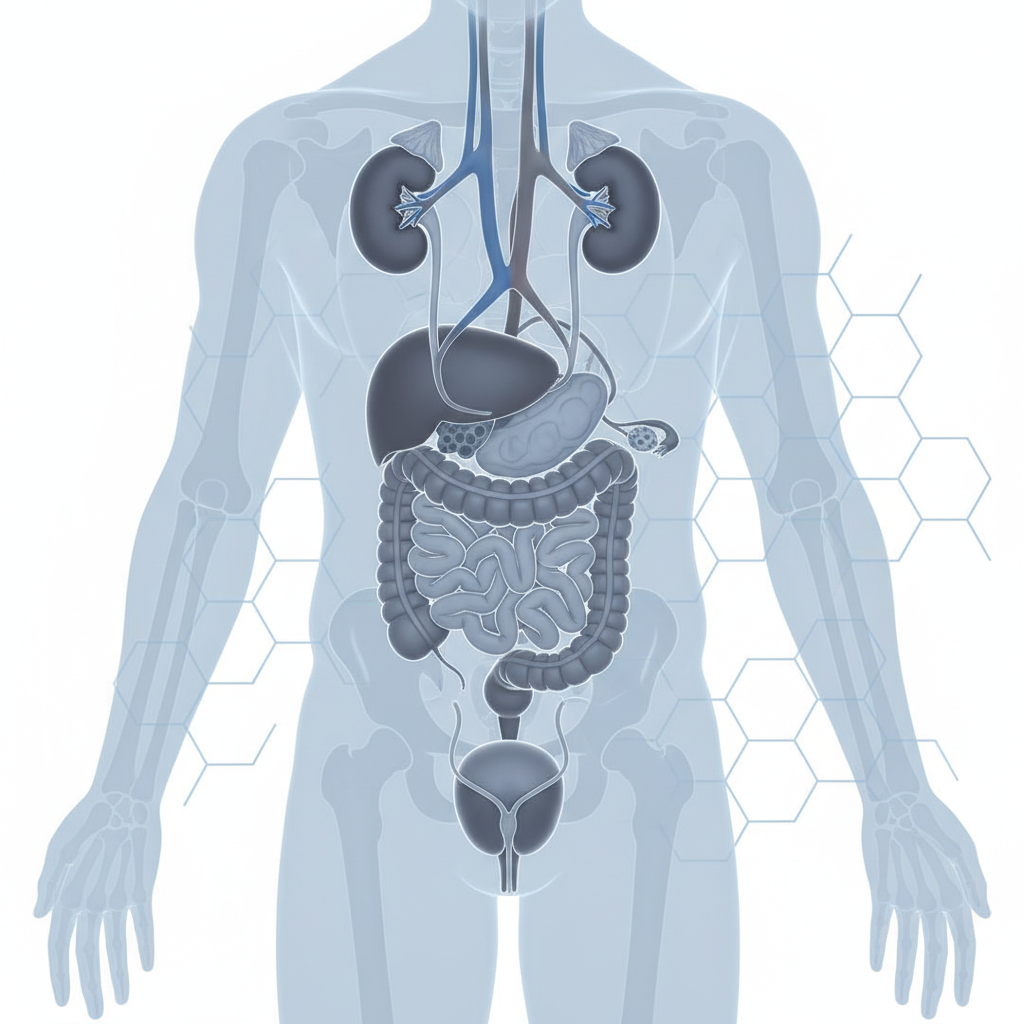
This line covers the kidneys, bladder, prostate, testis, penis and adrenal glands. Each organ carries a function people build their lives around — which is why uro-oncology is as much about preservation as removal.
The modern truth: many kidney tumours can be removed with only the tumour — a partial nephrectomy keeps the rest of the kidney working, which matters enormously over decades. Robotic and laparoscopic approaches make this possible through small cuts.
In prostate surgery, nerve-sparing technique exists to protect continence and erections without compromising cancer control — planned on MRI and biopsy maps before the first cut.
And sometimes the honest recommendation is no surgery at all yet — small, slow kidney lesions in suitable patients deserve the option of active surveillance, discussed without fear or pressure.
Eight signals that deserve a specialist’s eyes
Most causes will be benign — but blood in urine especially is never explained away without looking.
- ①Blood in the urine — even once, even painless, even if it vanished by evening.
- ②Passing urine far more often than usual, or waking repeatedly at night to go.
- ③Burning or discomfort while passing urine that keeps returning after treatment.
- ④A lump in the testis — firm, painless, growing: the classic presentation of a highly curable cancer.
- ⑤Heaviness or a dull ache in the scrotum that does not resolve.
- ⑥Bone pain occurring together with urinary symptoms — in men over fifty, both histories belong to one consultation.
- ⑦Swelling of the legs without heart or kidney disease to explain it.
- ⑧Any urinary symptom that keeps coming back — symptoms that come and go are precisely the ones patients regret ignoring longest.
Stations we serve on this line
●Kidney
Radical and partial nephrectomy — removing the tumour while saving the kidney unit whenever safe.
●Bladder
From TURBT for early tumours to radical cystectomy with urinary reconstruction.
●Prostate
Nerve-sparing radical prostatectomy planned on imaging, chosen against alternatives honestly.
●Testis
Among the most curable of cancers — with RPLND and chemotherapy pathways coordinated properly.
●Adrenal
Functional and malignant adrenal masses, worked up endocrinologically first.
●Penile
Function- and appearance-preserving surgery wherever oncology allows.
Operations performed here
- ◆Radical & partial nephrectomyTumour out, kidney unit preserved where margins and anatomy permit.
- ◆Robotic / laparoscopic approachesFALS-trained minimally invasive technique across most of this line.
- ◆TURBT for bladder tumoursCamera-based removal through natural passages — no external cut for early disease.
- ◆Radical cystectomy with reconstructionIleal conduit or neobladder — chosen with you, taught thoroughly beforehand.
- ◆Nerve-sparing radical prostatectomyContinence and potency pathways protected within oncological limits.
- ◆RPLND & orchiectomy for testis cancerCoordinated with chemo protocols that cure the great majority.
From first visit to full recovery
Scans & bloodwork
Imaging and markers map the problem precisely before anyone promises anything.
Biopsy / grading
Aggressiveness decided by cells under the microscope, not by anxiety.
Tumour board plan
Radiation and medical oncology compare notes with surgery — sequence agreed together.
Organ-preserving surgery where safe
Partial kidneys, spared nerves, reconstructed bladders — function defended deliberately.
Rehabilitation pathways
Pelvic floor training and support for continence and sexual health — spoken about plainly.
Surveillance
Scheduled reviews, marker checks and scans — including honest surveillance instead of surgery when that serves you best.
Families usually ask…
Yes — a healthy remaining kidney (or even two-thirds of one) handles life’s demands comfortably for most people. This is exactly why partial nephrectomy matters: we fight hard to keep functioning tissue, because decades later your kidneys won’t remember your cancer, but they will remember every unit preserved.
A neobladder rebuilds natural passage; an ileal conduit (bag) is simpler and dependable. The right answer depends on your kidney function, fitness, dexterity and preferences. Both are demonstrated honestly before surgery — including meeting what daily management really looks like.
Continence usually recovers well with time and pelvic floor work; erectile function depends heavily on nerve-sparing feasibility and your starting point — both discussed candidly before consent, with rehabilitation pathways arranged from day one rather than hoped for afterwards.
Sperm banking happens before treatment starts, always offered, never rushed past. Testicular cancer is among the most curable malignancies, and fatherhood afterwards remains a realistic goal for many survivors — the pathway protects that possibility deliberately.
No — and pretending otherwise serves nobody. Small, slowly growing lesions in suitable patients can be watched safely with scheduled scans (active surveillance). We will tell you plainly when watching is the wiser route, and just as plainly when it isn’t.