Keyhole-first cancer surgery from the food pipe to the rectum — with your digestive life protected.
GI cancers affect how you eat, digest and live every single day. Surgery here is judged by two measures: does it cure — and how normal a life does it leave behind? Both are engineered into the plan from the first scan.
What are GI cancers?
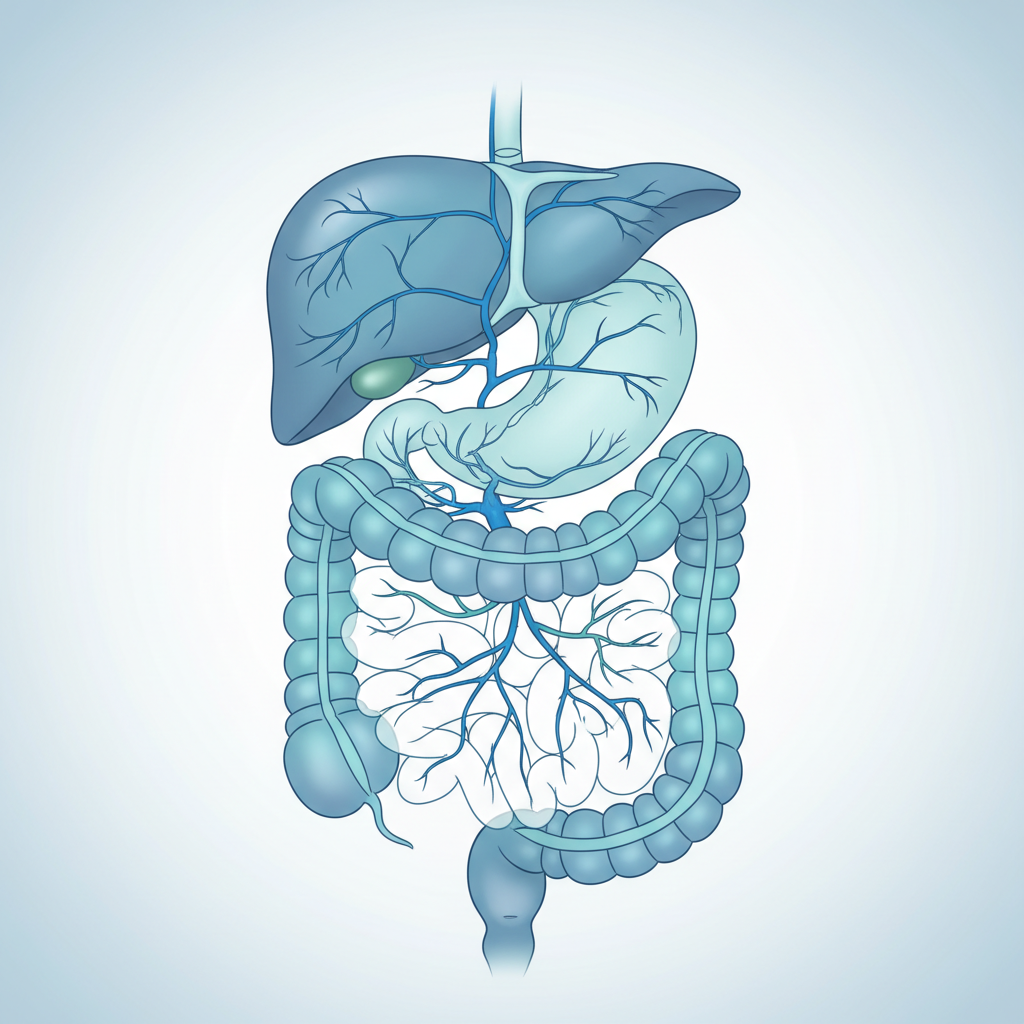
Gastrointestinal cancers arise along the digestive tract — food pipe (oesophagus), stomach, colon, rectum, anal canal, small bowel — or on the peritoneal lining of the abdomen.
The modern truth about this line: most of these operations can now be done keyhole (laparoscopic or robotic), with less pain, fewer wound complications and faster return to chemotherapy when it’s needed. Open surgery remains right for some patients — the choice is made on evidence, not fashion.
For rectal cancers especially, sphincter preservation is an engineering problem solved at planning stage — which is why staging before decisions is the rule here, never a formality.
And when a stoma can be avoided safely, we avoid it. When it genuinely cannot be, you’ll be taught to live with it confidently — before surgery, not after.
Eight signals that deserve a specialist’s eyes
Digestive symptoms are common and usually harmless — but these patterns, especially together or persisting, warrant proper examination rather than another antacid course.
- ①Difficulty swallowing — food feeling held up on the way down.
- ②Persistent indigestion that no longer responds to routine treatment.
- ③Persistent vomiting, especially after most meals.
- ④A change in bowel habit lasting over four weeks — new constipation, new looseness, or both alternating.
- ⑤Blood in the stool or black stools — never assume haemorrhoids without checking.
- ⑥Unexplained weight loss without dieting or exercise change.
- ⑦Unexplained anaemia found on blood tests — often the first clue of a silent bleeding tumour.
- ⑧An abdominal lump you or your doctor can feel.
Stations we serve on this line
●Food Pipe
Oesophageal cancers, including tumours needing the pipe rebuilt from stomach or bowel.
●Stomach
Gastric cancers with D2 lymphadenectomy as standard, subtotal or total by location.
●Colon
Right-sided and sigmoid cancers with complete mesocolic excision for best outcomes.
●Rectum
Sphincter-preserving low anterior resections wherever oncologically safe — planned before cutting.
●Anal Canal & Small Bowel
Rare tumours of the distal tract and small intestine, assessed individually.
●Peritoneal Surface
Peritoneal malignancy assessed for HIPEC referral pathways where appropriate.
Operations performed here
- ◆OesophagectomyRemoval and reconstruction of the food pipe, staged properly beforehand.
- ◆Subtotal / total gastrectomy with D2Standard-level lymph node clearance for stomach cancer, done laparoscopically where suitable.
- ◆Right hemicolectomy & colectomiesWith complete mesocolic excision — the detail that measurably improves survival.
- ◆Sphincter-preserving low anterior resectionFor rectal cancer — keeping natural elimination whenever margins allow.
- ◆APR when requiredDone honestly when the sphincters cannot be saved, with stoma teaching before surgery.
- ◆HIPEC referral pathwaysSelected peritoneal disease coordinated to dedicated HIPEC centres.
From first visit to full recovery
Endoscopy & biopsy
The diagnosis confirmed directly, with the right samples taken first time.
Staging scans
CT/MRI map depth and spread — the operation is drawn on this map, not guesswork.
Tumour board plan
Many GI tumours need chemo or radiation first; the board decides the order.
Minimally invasive surgery
Keyhole where suitable, open where right — chosen per patient, per evidence.
Nutrition-led recovery
Diet planning from day one — gut surgery outcomes are built in the kitchen and the corridor.
Surveillance
Scheduled scopes and reviews catch recurrence early, while options remain wide.
Families usually ask…
In many rectal and colon cases, no — sphincter-preserving techniques and temporary protective stomas exist precisely to avoid permanent bags. Where a permanent stoma is genuinely the safest route, you will know before surgery and be trained to manage it confidently.
Same cancer clearance through smaller cuts: less pain, less blood loss, fewer wound infections, shorter stay, and a quicker return to chemotherapy when the pathology calls for it.
Smaller, more frequent meals at first — with a dietitian involved from admission, not discharge. Most patients settle into a satisfying routine within months; the plan starts before you leave theatre.
Because the stage decides the order of everything — whether chemo comes first, whether radiation shrinks the tumour, what exactly is removed. Operating on an unstaged cancer is driving with the lights off.
Heated intraperitoneal chemotherapy — a specialised treatment delivered inside the abdomen for selected peritoneal surface malignancies. It suits only specific situations, which is why honest assessment and referral pathways matter more than enthusiasm.